An Indian tourist died when two helicopters came into contact while landing at Pheriche in Nepal on Tuesday, 3 November 2026. The Everest helicopter collision also injured others, including a passenger from New Zealand, prompting a rescue response in one of the country's busiest trekking regions.
The aircraft belonged to Fishtail Air and Air Dynasty Heli Service. The accident happened at a helipad in Solukhumbu district, on the approach to the Everest trekking area. Pheriche is a settlement on the route towards Everest Base Camp, rather than the base camp itself.
The cause had not been established at the time of writing. Accounts of the number injured differed, and there was no verified basis for attributing the collision to weather, a mechanical failure or a particular pilot's actions.
Where did the Everest helicopter collision happen?
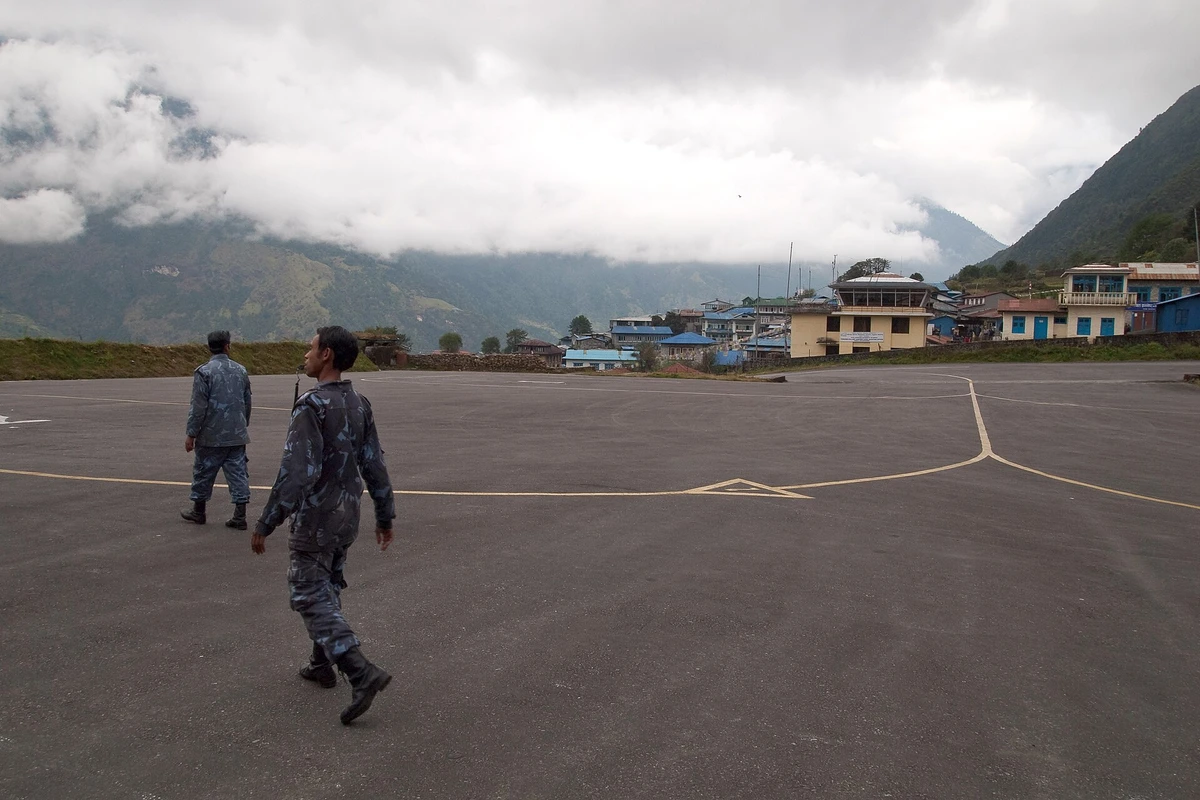
The collision happened during landing at Pheriche, in the Khumbu Pasang Lhamu rural municipality. The distinction between the landing site and Everest Base Camp matters: reports describing an accident in the Everest region do not place it on the mountain or at the climbing base camp.
Nepal's Civil Aviation Authority, CAAN, identified the aircraft as helicopters operated by Fishtail Air and Air Dynasty. Initial official accounts put the accident on Tuesday morning. No precise minute is given here because the times attributed to different authorities were not consistent.
The incident brought together flights serving different purposes. The Fishtail helicopter was coming from Gorakshep with passengers, while the Air Dynasty helicopter was on a cargo flight from Lukla, according to accounts attributed to aviation officials.
| Operator | Aircraft registration reported by aviation officials | Reported journey before the collision |
|---|---|---|
| Fishtail Air | 9N-AJR | From Gorakshep, carrying passengers |
| Air Dynasty Heli Service | 9N-AOD | From Lukla, carrying cargo |
Those flight details establish the aircraft involved and their reported origins. They do not establish which aircraft had landing priority or why their paths came into conflict. Those questions require the investigation's evidence.
What is known about the casualties?
An Indian national was killed, and a New Zealand passenger was among those injured. Officials reported the evacuation of injured people for treatment. A reliable, reconciled injury total was not available when this report was prepared.
The Indian connection is direct: the person who died was an Indian traveller. There is no basis for describing all passengers as Indian or assuming the nationality of everyone aboard from the flight's location or purpose.
The number of people carried, the clinical condition of each survivor and arrangements for returning the deceased to India require confirmation from the responsible authorities. A nationality report does not establish that consular formalities or family notification have been completed.
What has been established about the cause?
No final cause has been established. The reported contact between the aircraft explains the immediate event, but does not resolve the sequence of manoeuvres or the circumstances that led to it.
Landing-site operations, aircraft condition and the evidence of crews and witnesses may be relevant to an inquiry. None should be presented as the proven explanation before investigators issue findings. A clip shared online also cannot, by itself, establish instructions exchanged before landing.
The Civil Aviation Authority of Nepal is the country's aviation regulator. Its safety information and any official investigation findings should be distinguished from unverified descriptions circulating after the collision.
What is a helipad?
A helipad is a designated area for helicopters to land and take off. Describing an accident as occurring at a helipad identifies the operating location; it does not establish the cause or responsibility.
What does this mean for travellers planning a Nepal mountain trip?
Travellers should check the operating arrangements and the scope of their insurance before departure. That is existing official advice, rather than a new restriction announced in response to this accident.
The Indian Embassy in Kathmandu's mountaineering guidance advises comprehensive insurance that covers rescue and helicopter evacuation or recovery from high altitude. It also makes clear that the embassy does not recommend particular travel or insurance agencies.
Australia's Department of Foreign Affairs and Trade, in its Nepal travel advice, recommends researching air transport providers, following safety instructions and checking cover for evacuation from altitude. The advice does not assess the safety of an individual helicopter or flight path.
The UK's Nepal health guidance similarly advises adequate insurance and access to funds for treatment, repatriation and helicopter evacuation. These checks concern the terms of a traveller's own policy, including the activities and altitude covered.
Before buying a trek or flight package, ask who operates the aircraft, which journey the booking covers and how an emergency would be arranged. Keep the operator's contact details, itinerary and insurance assistance information accessible to a family member. An evacuation benefit should not be confused with a guarantee that an aircraft can reach a location in every circumstance.
The Everest region attracts Indian travellers and families, including the Indian-origin child whose base-camp trek was reported in December 2022. That earlier journey is background, not connected to this accident. Readers planning independent travel can also consult the overview of changing Indian travel preferences; Nepal-specific safety instructions should determine arrangements in the mountains.
What happens next?
The next substantive development will be an official account of the accident sequence, alongside confirmed information on the injured and consular arrangements. Until then, the established facts are the fatality of an Indian traveller, the involvement of the two operators and the collision during landing at Pheriche.
Travellers with an imminent booking should seek information from their own operator about the booked service. The accident alone does not establish that every flight in the Everest region has been cancelled or that a new region-wide prohibition is in force.