
Workers already building qualifying experience towards New Zealand residence will not necessarily have to start again when 17 occupations leave a visa list next year. The Green List changes announced on 3 November 2026 include transitional arrangements for eligible people already progressing through the Work to Residence route.
The changes take effect on 8 March 2027. They shift the listed occupations towards Skilled Migrant Category pathways, while allowing employers to continue recruiting through the Accredited Employer Work Visa where its conditions are met.
For an Indian worker planning a move, or already employed in New Zealand, the immediate issue is therefore which pathway applies to their actual employment history. Removal from this list is not a general prohibition on doing the job, and an alternative residence route is not an automatic approval.
When do the Green List changes take effect?
The changes begin on 8 March 2027, according to Immigration New Zealand's announcement. The announcement identifies overlap with Skilled Migrant Category routes introduced in August 2026 as the reason for removing 17 occupations from Tier 2.
That future commencement date matters for people already working towards residence. It also means the published conditions of a current visa should not be replaced by assumptions about next year's settings. Immigration New Zealand says it will update relevant webpages closer to implementation.
There are separate changes for special-education teachers, sterilisation technicians and career counsellors. Those changes should not be folded into a claim that all are among the 17 Tier 2 removals.
Which occupations are affected?
The announcement assigns 13 occupations to the Skilled Migrant Category Trades and Technician pathway and four to the Skilled Work Experience pathway, subject to each route's requirements.
The Trades and Technician group comprises Building Associate (Building Construction Supervisor), Automotive Electrician, Diesel Motor Mechanic (including Heavy Vehicle Inspector), Motor Mechanic (General), Motorcycle Mechanic, Panel Beater and Vehicle Painter.
It also includes Metal Fabricator, Welder, Fitter (General), Fitter and Turner, Fitter-Welder and Metal Machinist (First Class). These are the official occupation descriptions; a workplace's informal job title may not establish the correct classification.
The Skilled Work Experience group comprises Crane, Hoist or Lift Operator; Telecommunications Technician; Paving Plant Operator; and Pressure Welder. A person should check the description applying to the work actually performed, rather than selecting whichever title appears to offer the simplest application.
What can existing workers keep counting?
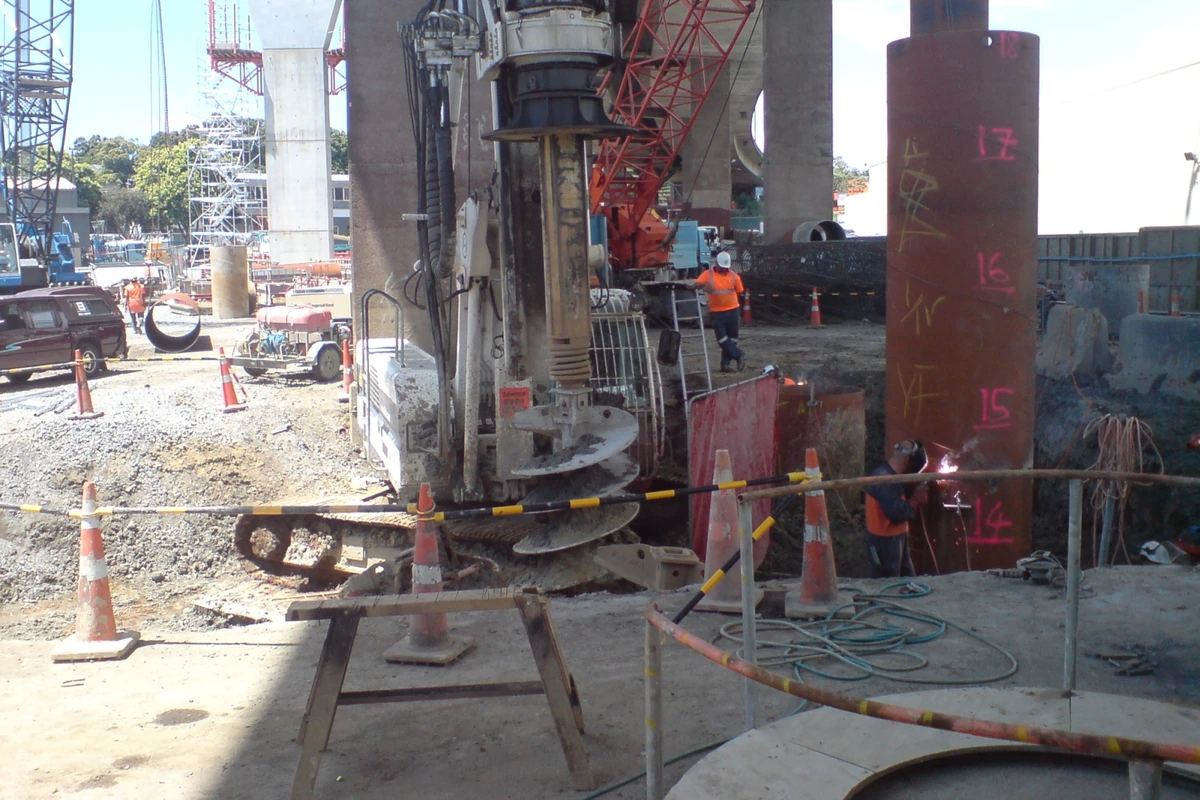
Eligible people who have started accumulating qualifying work before the changes take effect can continue counting it towards the existing 24-month Work to Residence requirement. The transition does not say that every work-visa holder is automatically protected.
Qualifying employment is the relevant test. The current Work to Residence Visa page requires evidence of the role, pay and period worked, alongside the job-specific conditions. Holding a visa and accumulating qualifying experience are related but different facts.
The announcement does not require protected workers to finish all 24 months before 8 March. It allows qualifying work to continue counting under the transition, with all other residence requirements still applying. That distinction is important for someone whose two-year anniversary falls after the change.
What is transitional protection?
Transitional protection allows eligible people already progressing under an existing route to keep using specified arrangements after a rule changes. It preserves a route on stated conditions; it does not confer residence by itself.
How do the residence routes differ?
The routes assess different combinations of occupation, qualifications, earnings and experience. A worker should compare the complete conditions, rather than assume that moving to another route simply changes the application form.
| Route or change | Experience or timing distinction | What still needs checking |
|---|---|---|
| Existing Work to Residence route | Normally 24 months of qualifying New Zealand employment | Occupation, wages, employer and other residence conditions |
| Protected Work to Residence transition | Eligible work started before 8 March 2027 can continue counting | Whether the employment qualifies and all remaining requirements |
| SMC Trades and Technician pathway | Relevant qualification and post-qualification experience | Eligible occupation, required pay and New Zealand work experience |
| SMC Skilled Work Experience pathway | Relevant experience and qualifying New Zealand employment | Skill classification, wages and any occupation-specific restrictions |
| Special-education move to Straight to Residence | Removes the initial two-year qualifying-work wait for eligible applicants | Registration, job conditions and all other residence criteria |
The Skilled Migrant Category overview describes Trades and Technician eligibility as a combination of a relevant level 4-or-higher qualification, at least 2.5 years of relevant post-qualification experience and an additional 1.5 years of post-qualification skilled work in New Zealand. Required pay and an eligible occupation also apply.
The Skilled Work Experience route sets a different test: relevant experience, additional skilled employment in New Zealand and a higher wage multiple. Its overview also identifies Red and Amber occupation lists with exclusions or extra conditions. The presence of a role in the announcement should therefore be read with the full application requirements.
Those differences can produce different outcomes for two people doing similar work. Someone with a relevant trade qualification may need a different evidence file from a worker relying on experience. Experience gained before a qualification is not interchangeable with a requirement explicitly framed as post-qualification experience.

Can employers still recruit workers in these jobs?
Yes, the announcement says employers can continue using the Accredited Employer Work Visa if they meet its requirements. Removal from the residence list does not, by itself, ban recruitment in those occupations.
However, the Green List-specific recruitment settings cease for the affected roles. These include applicable labour-market-test exemptions and priority processing for job checks and work-visa applications. Employers must distinguish continued access to a visa from continued access to its former processing advantages.
A job offer should therefore be checked for both its immediate work-visa basis and any claimed residence pathway. A statement that a role is eligible for employment does not establish that the worker can settle permanently. Equally, a future residence-list removal does not prove that an existing visa has been cancelled.
For employment questions beyond residence eligibility, the guide to interpreter services in New Zealand explains how to request language assistance when dealing with relevant services. Interpretation can help a worker understand a process; it does not replace the eligibility evidence.
Who gains a direct route, and who faces another change?
Four special-education teaching occupations move from Work to Residence to Straight to Residence: Special Needs Teacher, Teacher of the Hearing Impaired, Teacher of the Sight Impaired and Special Education Teachers not elsewhere classified.
Eligible applicants in those roles will no longer first need to complete two years of qualifying New Zealand work. The Straight to Residence Visa requirements still apply. The change shortens the route to an application for those who qualify; it does not remove the need for an eligible job and the other conditions.
Sterilisation Technician eligibility will be restricted to graduate and registered members of the New Zealand Sterile Sciences Association. Career Counsellor will separately leave Tier 1, although applicants may qualify under another residence route. Neither change should be described simply as one more item in the 17-role Tier 2 list.
What does this mean for Indian workers and families?
Workers should establish their occupation classification, the date qualifying employment began and which route fits their evidence. The changes apply by occupation and eligibility, rather than creating an India-specific restriction.
Start with employment agreements, job descriptions, payslips, employer letters and qualification records. The current Work to Residence guidance asks applicants to show what work they did, where and when they did it, hours and earnings. An employer letter should accurately reflect changes in duties or pay instead of repeating an outdated offer.
Next, separate a work-visa expiry date from a residence application timetable. The current residence guidance says a person in New Zealand must keep a valid visa while waiting for a residence decision. Preparing an application does not, by itself, extend permission to work or remain.
Finally, treat each family route separately. The Parent Resident Visa queue changes concern a different category. A parent's selection estimate does not determine a worker's Green List eligibility, just as a worker's employment record does not establish a parent's place in that queue.
What should someone outside New Zealand check before accepting an offer?
An overseas applicant should compare the advertised occupation with the actual duties, qualification requirements and proposed pay. Ask an employer to identify the specific work route and residence route behind any claim that a position leads to settlement.
Keep the offer and supporting documents, and check them against the official conditions applicable to the proposed start date. A future promise of residence is not the same as an approved application. Where qualification equivalence or occupational registration is required, establish that requirement before assuming an overseas certificate is sufficient.
What happens next, and how should the official guidance be used?
Immigration New Zealand will update the relevant pages closer to 8 March 2027, and expects a wider Green List review during 2027. That expected review does not establish any further additions or removals.
Use the dated announcement to identify the change, the Work to Residence page to check the current route and evidence, and the Skilled Migrant Category guidance to compare alternatives. Recheck each source before applying, particularly the transition and wage settings. This report was checked on 3 November 2026.