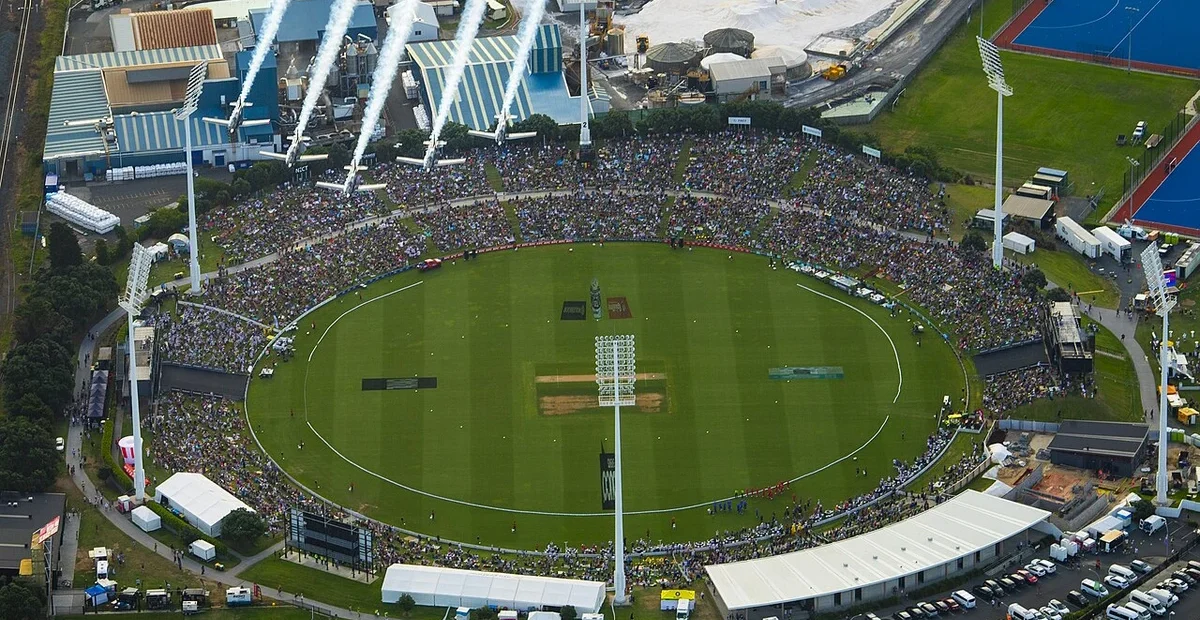
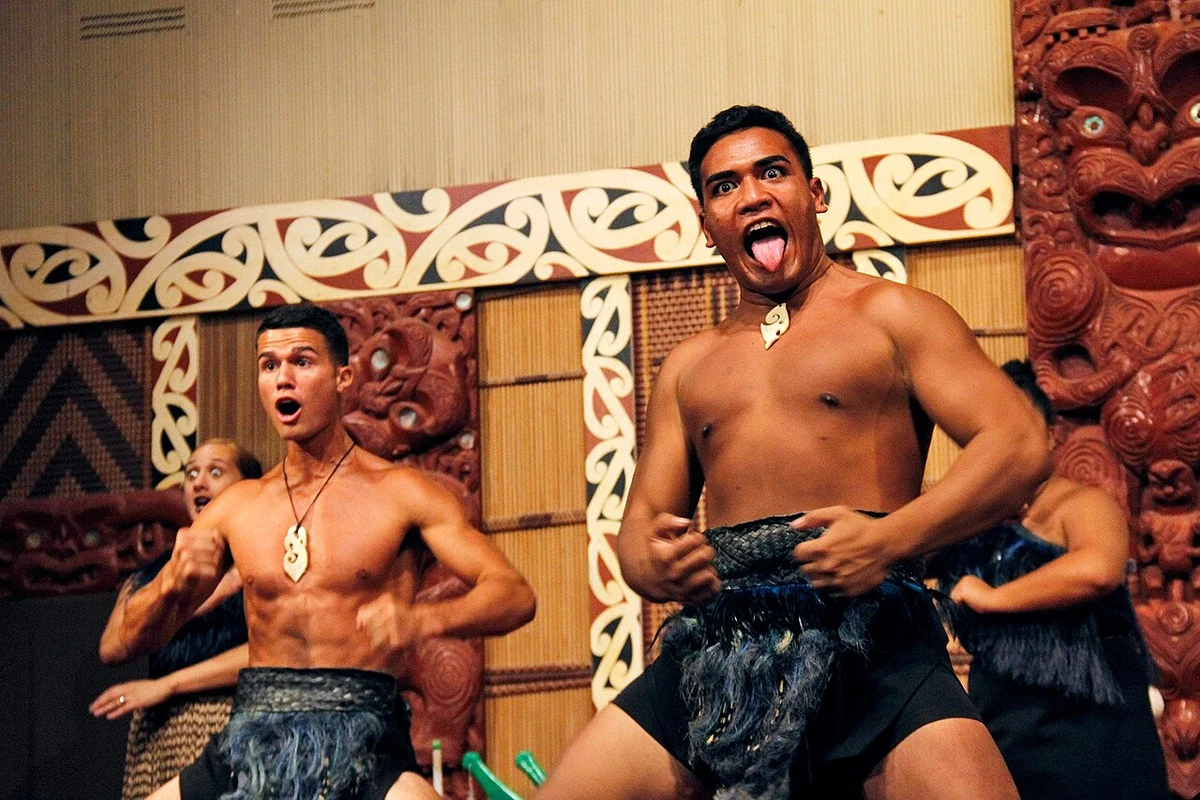
A cricket ground became a shared stage for Māori and Indian performers at Bay Oval on 13 November 2026, bringing haka, Indian classical dance and bhangra into a programme marking a century of sporting links between New Zealand and India.
The performance, Elements of Belonging, was developed around Earth, Water, Fire, Air and Space. Its organisers brought together local cultural groups and musicians for the innings break of the first Blackcaps–India one-day international in Tauranga.
The project placed community performers inside an international sporting occasion. Its Indian connection was explicit: Indian dance organisations worked alongside Te Wharekura o Mauao, with the production forming part of the national 100 Years of Unity through Sport programme.
That anniversary refers to sporting contact dating from an Indian Army hockey tour in 1926. It is not a claim that New Zealand and India established diplomatic relations a century ago.
What was Elements of Belonging at Bay Oval?
Elements of Belonging was a collaborative music and dance production created for the 13 November cricket match at Bay Oval in Mount Maunganui.
Tauranga City Council’s programme announcement named approximately 50 Māori and Indian performers, together with live musicians. The participating groups were Te Wharekura o Mauao, Rāmā Nritha Vihār and Apna Punjab Bhangra Academy.
The Third Culture Foundation and Tauranga Western Bay Indian Association produced the work, directed by Dhaivat Mehta. Its setting gave the collaboration a different audience from a stand-alone dance recital: spectators attending an international cricket match.
The council’s planning documents described a production intended to combine traditions while allowing each its own voice. That is the organisers’ stated artistic purpose. It should be distinguished from a claim that every participant or spectator experienced the performance in the same way.
Who shaped the cultural collaboration?
The named local groups, producers and director shaped a production that brought Māori performance and Indian dance traditions into one work.
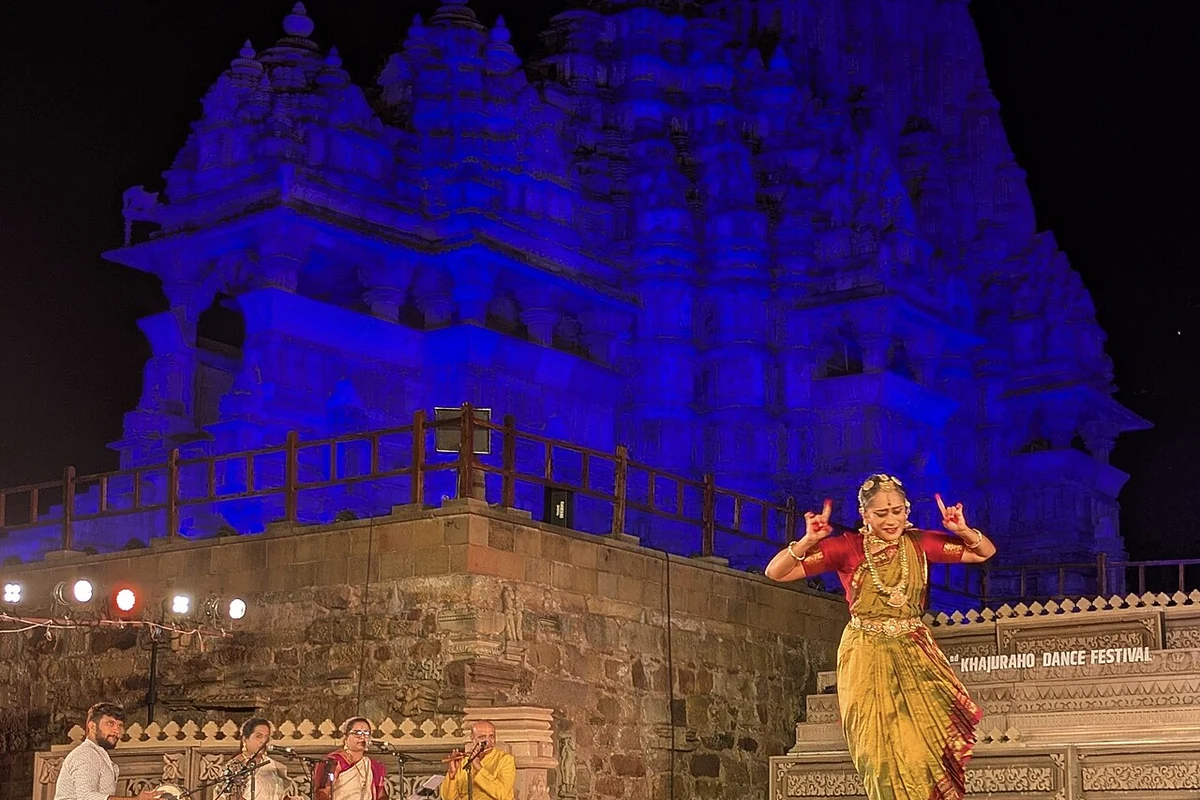
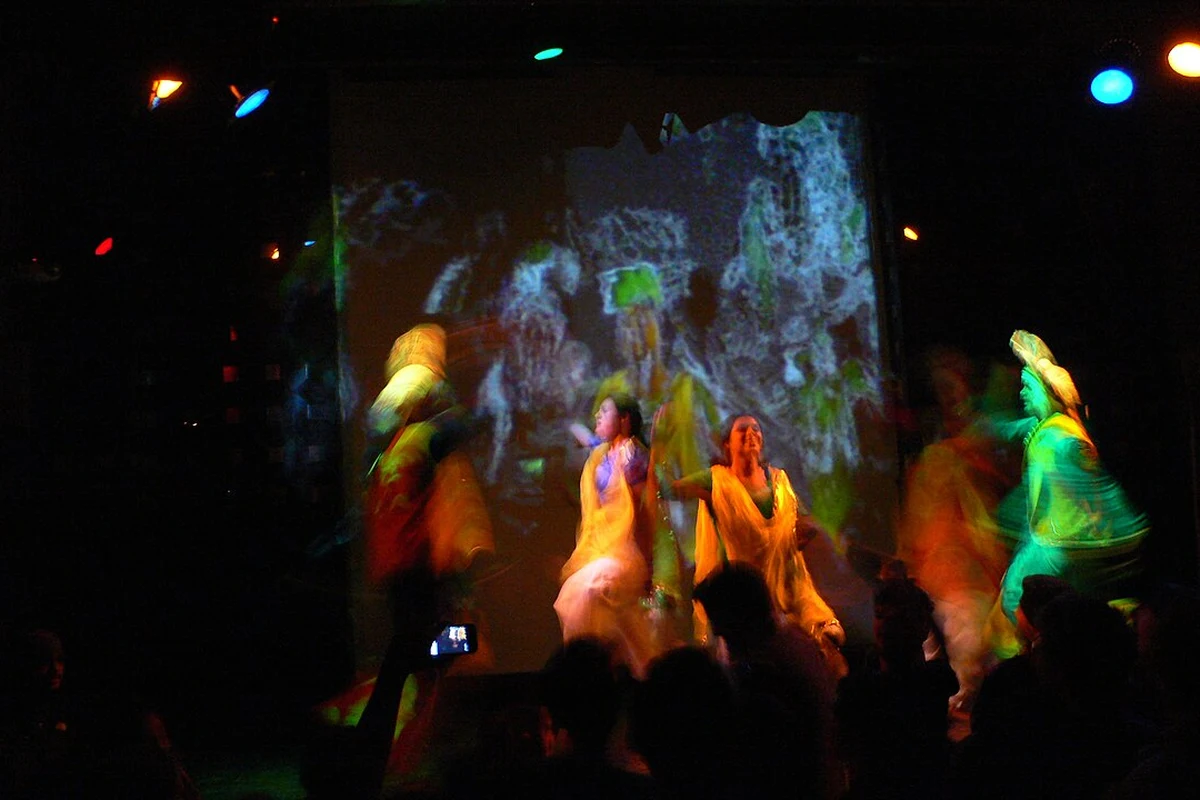
The range of organisations matters. Rather than treating Indian culture as a single form, the programme named an Indian classical dance organisation and a bhangra academy alongside the Māori participants. Live musicians were included in the production.
The director described the project before the event as an opportunity to create something together from what the participating cultures brought. The five-element structure supplied the work’s organising theme, connecting movement and music through the natural world.
The council’s pre-event photograph showed participants meeting at a first rehearsal. It provides evidence of preparation involving the named groups, while the published programme identifies the planned performance’s timing and place.
Why were the five elements part of the performance?
Earth, Water, Fire, Air and Space provided the production’s thematic structure, according to the council’s description.
The programme connected those elements with shared experiences of the natural world. Its account presented cultural collaboration as something built from distinct contributions, rather than an instruction to erase the differences between them.
What does cultural collaboration mean in this programme?
It means named Māori and Indian groups developing a shared production. The council describes the intention as bringing traditions together while retaining their individual voices. That description concerns this work, rather than defining all Māori or Indian performance.
The distinction helps explain the title. Belonging is the subject the artists were working with, not a result that can be measured simply by counting performers. The programme establishes who was involved and what was intended; the artists’ and audience’s own assessments would require their testimony.
Why is New Zealand marking 100 years of sporting links with India?
Sport New Zealand traces the anniversary to the first New Zealand tour by an Indian Army hockey team in 1926.
Its national programme connects that history with contemporary sporting tours, community events and cultural activity. Auckland, Christchurch, Hamilton, Tauranga and Wellington are the five host cities named for 2026.
The programme includes several sports rather than cricket alone. Sport New Zealand lists hockey, football, bowls, esports, beach volleyball and basketball among the activities associated with the wider celebration.
For Indian New Zealanders, the connection is therefore both international and local. National teams provide the sporting fixtures, while local organisations contribute community events and cultural work. Bay Oval’s performance was one example of that local contribution.
How does a century-old hockey photograph connect to this celebration?
Sport New Zealand identifies a 1926 photograph of the Indian Army hockey team and the New Zealand test side as a link between the original tour and the 2026 anniversary.
Its account of a March 2026 delegation to India names Havilah Down, the New Zealand Hockey Association secretary who organised and refereed the tour, and Indian hockey player Dhyan Chand among those pictured.
Down’s grandson Peter Miskimmin, New Zealand’s head of sport diplomacy, shared the family connection with Ashok Kumar, Dhyan Chand’s son. At a New Zealand High Commission function on 9 March 2026, Miskimmin presented a framed photograph and a gift from his granddaughter to Kumar’s twin granddaughters.
That documented exchange gives the centenary a personal history extending beyond an anniversary slogan. It also explains why the programme can connect hockey’s early tours with contemporary cricket, other sports and cultural work.
The Bay Oval dancers were contributing to that wider commemoration. Their production should not be confused with a recreation of the 1926 match or a claim that the same communities have participated in an unchanged way for 100 years.
What government programme sits behind the sporting celebration?
The anniversary is part of a government-backed programme that connects sport with cultural and international relationships.
An 11 July 2026 announcement by ministers Mark Mitchell and Louise Upston confirmed support from the Events Boost Fund. Sport New Zealand’s subsequent programme account identifies a contribution of NZ$640,000 towards delivery of the wider centenary programme.
That amount is not the budget for Elements of Belonging. It concerns the national programme, which includes multiple sports, host cities and community activities. Assigning the entire contribution to one performance would misrepresent the funding announcement.
The Sport Diplomacy Strategy 2025–2030 sets out objectives involving international relationships, economic links, the Pacific and sharing New Zealand’s story. It brings sport, foreign affairs, tourism, education, trade and cultural agencies into a coordinated approach.
Sport New Zealand’s definition of sport diplomacy describes using sporting contact to advance political, economic and cultural goals. That is the government’s framework for the work, rather than a measure of whether a particular audience member felt represented at Bay Oval.
The distinction leaves room for both levels of the story: a national diplomatic programme and a local artistic collaboration. The named performers and producers made the latter contribution; the government documents explain the larger programme in which it was placed.
How did Tauranga’s sporting events fit together?
Tauranga hosted cricket, beach volleyball and 3×3 basketball activity across the mid-November programme.
The council listed Blackcaps–India one-day internationals on 13 and 15 November, beach volleyball on 14 and 15 November, and 3×3 basketball on 13 and 14 November. Elements of Belonging was attached specifically to the 13 November cricket fixture.
| Activity in Tauranga | Dates listed for November 2026 | Relationship to the cultural programme |
|---|---|---|
| Blackcaps–India ODIs | 13 and 15 November | Elements of Belonging was listed for 13 November |
| New Zealand–India beach volleyball | 14 and 15 November | Part of the wider sports celebration |
| New Zealand–India 3×3 basketball | 13 and 14 November | Part of the wider sports celebration |
These were separate events with different venues and attendance arrangements. A ticket for the cricket was not an all-purpose ticket to every activity, and the cultural performance was not advertised as taking place at both ODIs.
The official event listing should now be read as a record of a completed event. The mid-November Tauranga dates have passed, so its booking language should not be mistaken for an invitation to attend a future performance.
What can families take from the programme now?
Families interested in similar activity can follow the participating groups and the official city and national programme pages for subsequent announcements.
A completed event’s photographs or video do not establish a repeat performance, an open class or a new booking opportunity. Those details need a current notice from the organisation running the next activity.
The council’s announcement said highlights would be added to its social channels. Readers looking for a recording should use the council’s official pages and distinguish the Bay Oval production from unrelated dance footage shared under a similar theme.
Other cultural reporting and diaspora coverage provide context for community work beyond a single fixture. The named groups’ own announcements remain the appropriate place to check participation and future events.
What happens next after the Bay Oval performance?
The national anniversary programme continues beyond Tauranga’s mid-November events, with the official schedule listing further sport and community activity elsewhere.
Any repeat of Elements of Belonging would need a separate announcement. For now, its contribution is specific: a local Māori–Indian production created for an international cricket occasion within the 2026 sporting centenary.