Four Indian nationals were among 14 people killed in the Fujairah crash on 12 November 2026, with seven more Indians among the 30 injured, according to the UAE Ministry of Interior’s confirmed casualty figures.
Three of the Indian victims belonged to a Kerala family. The fourth was a teenager whose family was visiting from Gujarat. The deaths have left families in India and the UAE dealing with bereavement while relatives receive treatment and authorities investigate the collisions.
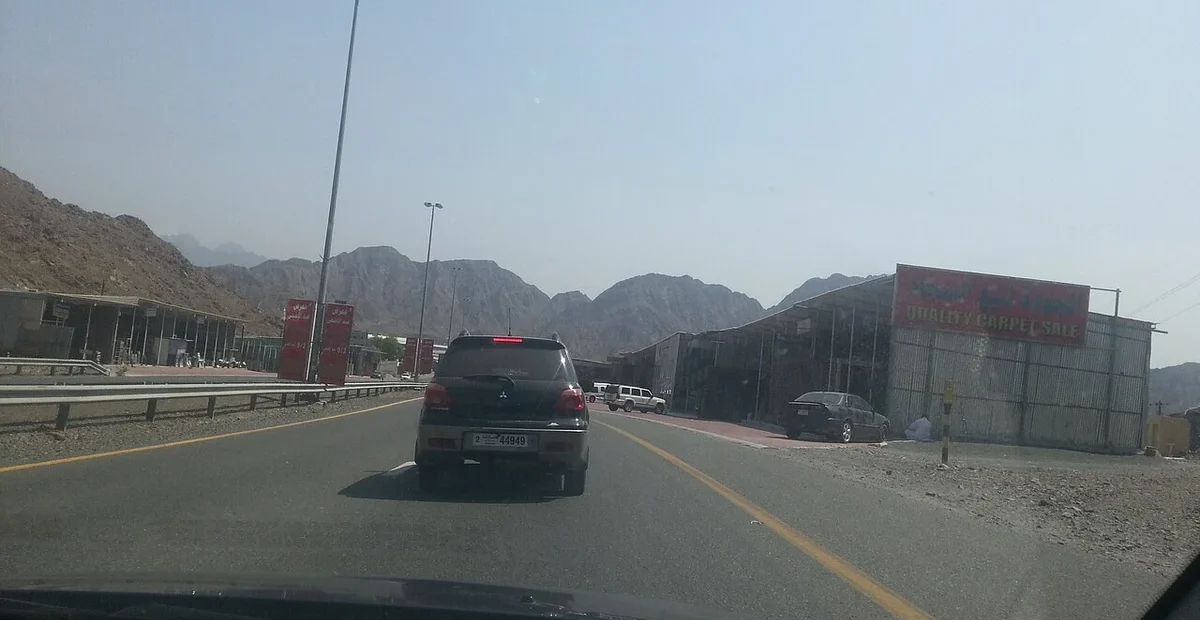
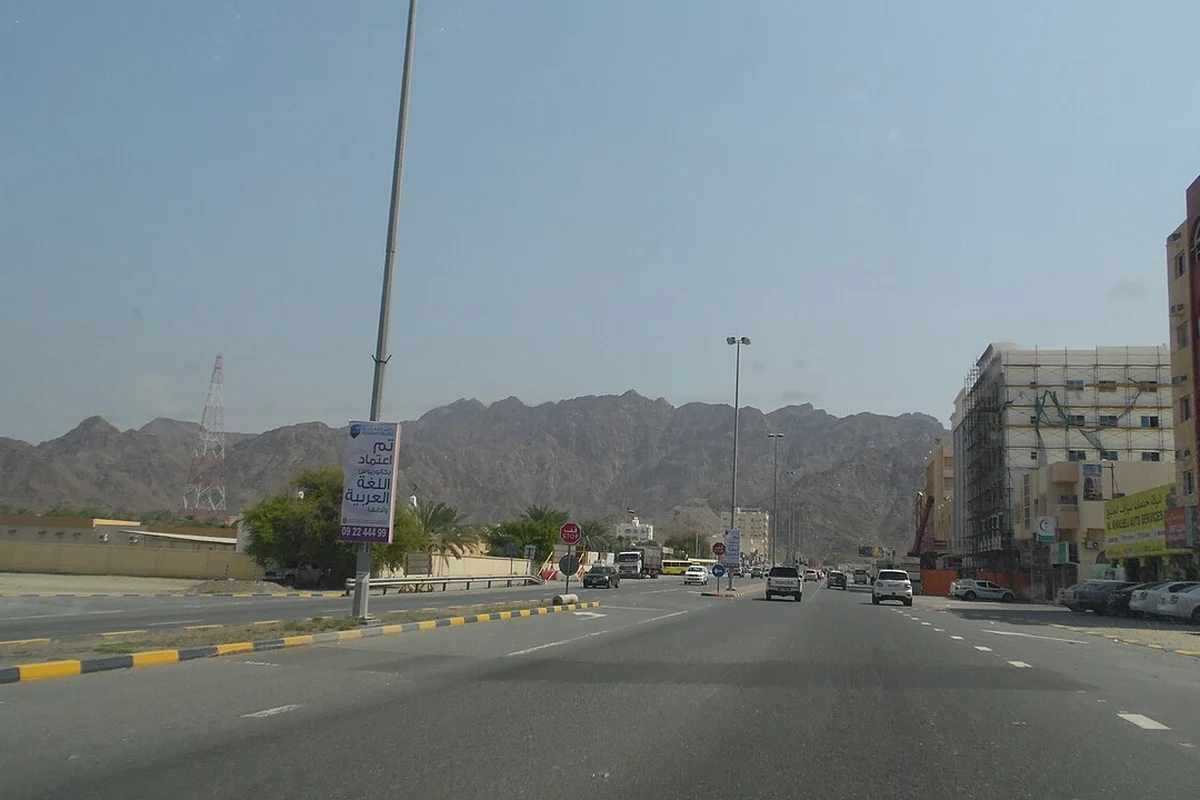
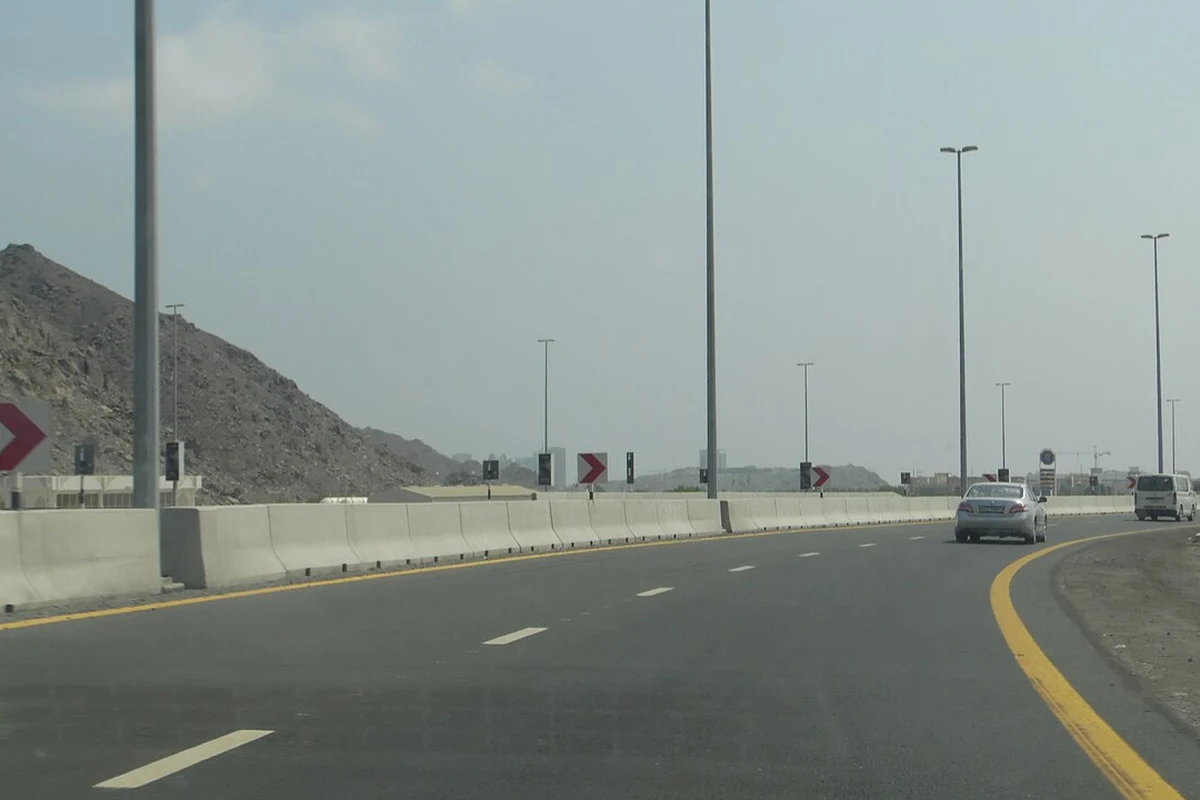
The crashes occurred on Sheikh Khalifa bin Zayed Road in Fujairah. A formal investigation is examining their causes and legal responsibility. Identification of the victims is a separate process from determining how the collisions happened.
India’s consulate in Dubai said an official visited hospitals on 13 November, met bereaved relatives and injured Indians, and offered assistance.
What has been confirmed about the Fujairah crash?
The confirmed toll is 14 dead and 30 injured, following identification procedures described in the Ministry of Interior’s 14 November statement.
The dead comprised 10 Emirati citizens and four Indian nationals. People injured came from seven countries. The Indian casualties therefore form part of a wider loss affecting several communities in the UAE.
| Confirmed casualties | Total | Indian nationals included |
|---|---|---|
| People killed | 14 | 4 |
| People injured | 30 | 7 |
The figures describe the ministry’s casualty update. They should not be interpreted as a current count of patients still in hospital: some people injured were subsequently discharged, while others continued receiving care.
The road tragedy took place in the early hours of Thursday, 12 November. Subsequent announcements on 14 and 15 November concerned identification, condolences and the investigation. Those later dates do not mean another crash occurred.
What is known about the Indian families affected?
Three victims were members of a Kerala-origin family living in the UAE; the fourth was a visiting teenager from Gujarat.
The Kerala family lost two adult siblings and a young child. Other members of the family were injured. The Gujarati teenager’s parents and sister were also receiving hospital treatment after the crash, according to accounts corroborating the family’s visit to the UAE.
The visiting family had been travelling towards Fujairah International Airport for a flight home. Their circumstances underline the different situations consular officials may have to address after an overseas tragedy: long-established residents and short-term visitors can both need assistance.
The confirmed nationalities and family circumstances establish the Indian connection directly. They do not establish fault, nor do they provide a basis for speculating about the decisions made by individual drivers before the collisions.
What are investigators examining?
The Federal Public Prosecution has ordered technical inspections, forensic testing and other enquiries to establish the causes and any legal liability.
The ministry says police, ambulance crews, Civil Defence and other responders attended the scene. Emergency care, transport to hospitals and securing the area formed part of the response.
Public accounts describe consecutive collisions and traffic affected by road maintenance. The investigation must establish how the vehicles and conditions contributed. A preliminary account of a sequence is not the same as a final finding of responsibility.
A complete official investigation report was not part of the ministry’s casualty announcement. Until findings are issued, claims assigning definitive blame to a driver, a nationality or a group of road users go beyond the confirmed record.
What does formal victim identification establish?
It confirms who died, enabling authorities and families to proceed with the relevant legal and administrative arrangements. It does not determine the cause of a collision or establish another person’s criminal liability.
What assistance has India’s consulate provided?
The Consulate General of India in Dubai says it has contacted families and injured Indians through an official hospital visit.
In its 13 November account, the consulate said its representative conveyed condolences and met surviving Indian patients. It said it was extending assistance to the affected families.
That statement confirms contact and support. It does not establish that every funeral, repatriation or financial claim has been completed. Families’ decisions and the requirements of UAE authorities determine the procedures appropriate to each case.
For relatives seeking help, the consulate’s contact page provides its official details, including the Pravasi Bharatiya Sahayata Kendra toll-free number, 800 46342, within the UAE. Contact information should be taken from the consulate rather than an unverified forwarded message.
What should families know about consular procedures?
Death registration, local funeral arrangements and transportation to India involve different permissions, and the consulate publishes separate guidance for them.
Its death-registration page links the required forms, family authorisation formats and procedural documents. The transportation procedure identifies steps involving prosecution, the relevant health authority, the consulate, police and Indian airport clearance for Fujairah cases.
A family should establish the applicable sequence with the authorities handling the case before committing to transport. A death certificate, permission for transportation and clearance for arrival in India serve different purposes.
The consulate’s separate financial-assistance guidance, dated 27 August 2025, describes means-tested help under the Indian Community Welfare Fund in eligible circumstances. It also distinguishes cases involving an employer or sponsor and relevant insurance. The document should be checked with the consulate for the current requirements; assistance is not an automatic payment to every family.
Who pays for transportation, and when can financial help be requested?
The consulate’s assistance guidance, dated 27 August 2025, distinguishes an employer’s responsibilities from means-tested help for families unable to meet costs.
For eligible assistance applications, it identifies a next-of-kin request explaining the need, financial evidence and the relevant death-registration documents. It also lists community associations empanelled to help with formalities, including the Indian Social Club in Fujairah.
The August 2025 guidance specifically asks for six months of bank statements and a QR-coded income certificate from the relevant state authority in India.
These are published arrangements, not confirmation that any named family in this crash has applied. A relative should ask the consulate which route applies before assuming that a general welfare scheme will cover a particular expense.
How does India’s eCARe clearance fit into the process?
It deals with public-health clearance for transportation to India and connects the parties handling that clearance through an online system.
The consulate’s eCARe notice says the Ministry of Health and Family Welfare developed the portal to bring the consignee, Airport Health Organisation and airlines into one interface. It describes document tracking and alerts as part of the process.
That function is different from the investigation into the collision, issuance of a UAE death certificate or a decision on financial assistance. A family may encounter several authorities because the permissions serve different purposes, rather than because one office can complete every part of the arrangements.
| Administrative step | What it concerns |
|---|---|
| UAE death certificate and related permissions | The local legal and health record |
| Indian consular registration | Registration with the Indian mission |
| eCARe clearance | Public-health clearance for transportation to India |
| Financial-assistance assessment | Eligibility for support under the applicable conditions |
Families should use the consulate’s current procedural documents and the instructions for their case. A general description of these stages cannot establish a departure date or guarantee that all permissions have been issued.
What about an injured relative who needs to return to India?
Medical repatriation is a separate process requiring assessment of the patient’s condition and travel arrangements.
The consulate’s medical-repatriation guidance describes case-by-case, means-tested support. Its document list includes medical reports, financial information and travel-fitness certification, with receiving-hospital acceptance required for stretcher cases.
The guidance expressly distinguishes Indian nationals from PIO and OCI cardholders for financial assistance under the fund. Families should check eligibility directly rather than assume that Indian ancestry alone qualifies someone for a particular payment.
These procedures are general guidance. They do not establish that a specific survivor of the Fujairah collisions requires, has requested or has been approved for medical repatriation.
What should other road users take from the official advice?
The ministry urges drivers to observe speed limits, maintain safe following distances and remain alert to suddenly slowing or stationary traffic.
Those instructions address the risks of changing road conditions without anticipating the investigation’s findings. They apply to road users irrespective of nationality.
For families following developments from India, the most useful sources remain the UAE authorities handling the investigation, the hospital treating their relative and the Indian consulate. Wider diaspora coverage and news reporting provide context, while case-specific information should come through verified official contact.
What happens next?
The prosecution’s technical and forensic enquiries will establish the circumstances and any legal responsibility. Authorities say related legal and administrative work is continuing with regard for families’ privacy.
For the injured and bereaved, the immediate priorities remain treatment, support and the arrangements each family chooses to pursue with the relevant authorities. Further findings should be distinguished from speculation circulating before the investigation is complete.