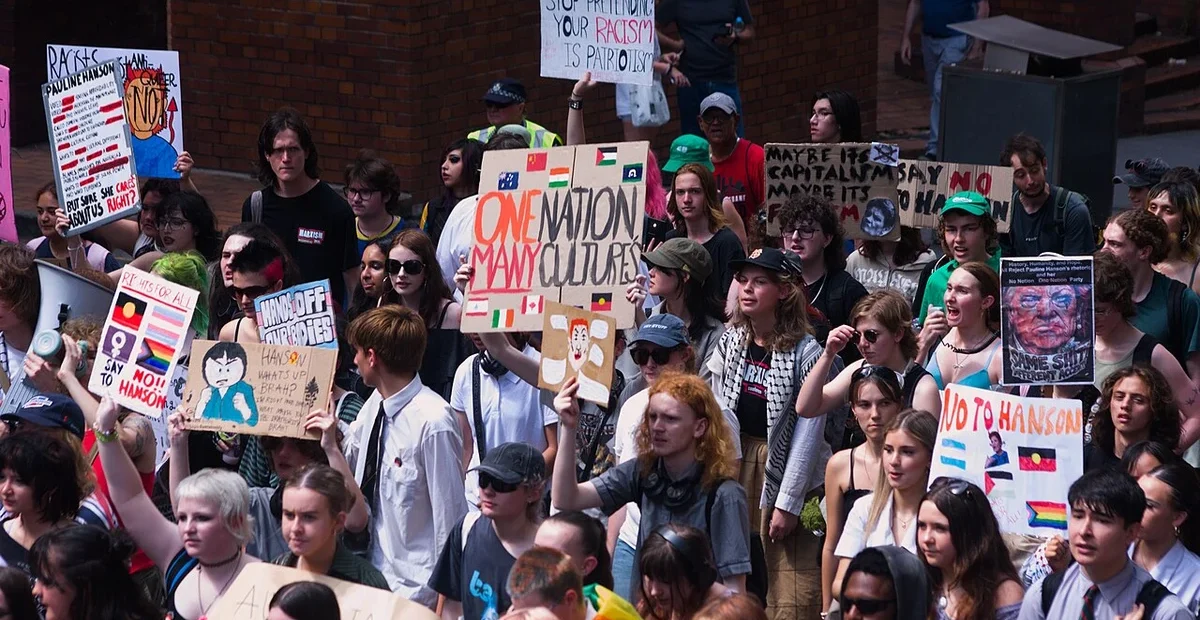
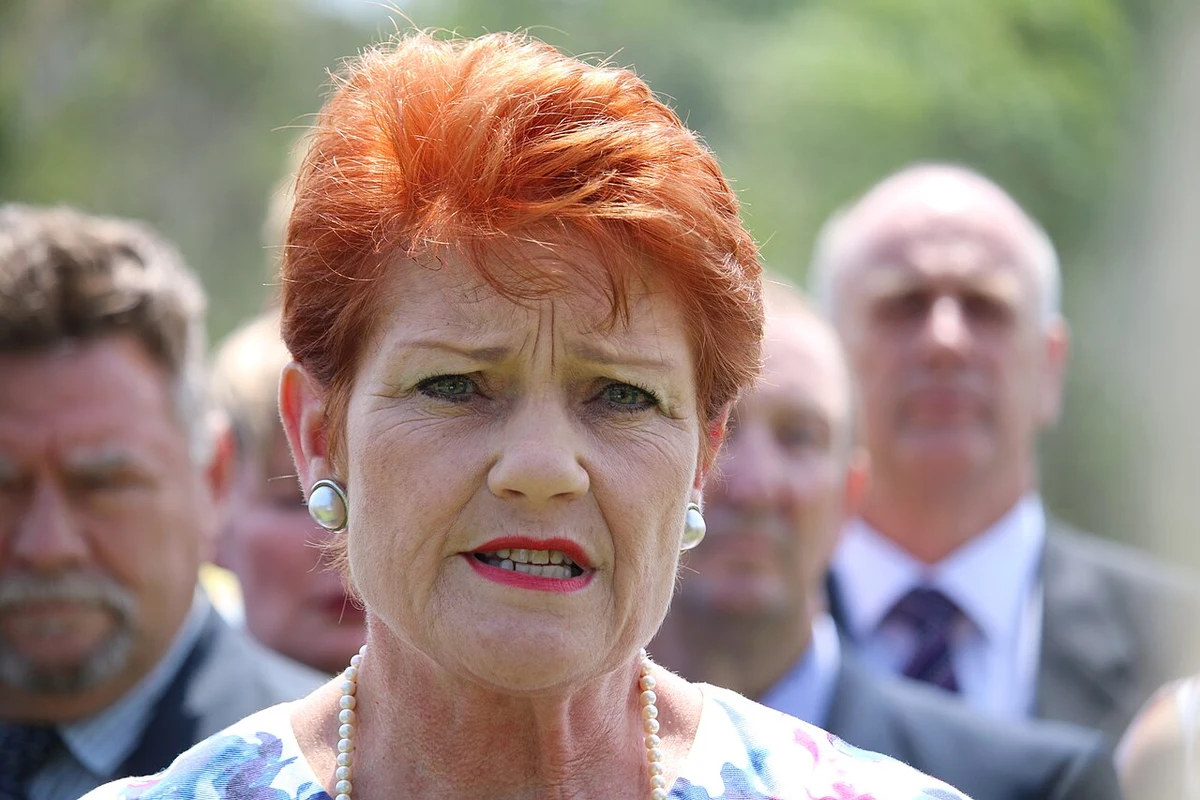
Student protests against One Nation on 12 November 2026 challenged the blaming of migrants for problems the demonstrators said were created elsewhere. Pauline Hanson’s response was that the demonstrations showed schools had allowed political indoctrination.
The exchange followed rallies against One Nation in Sydney and other Australian cities. It puts two different arguments into the same dispute: the protesters’ opposition to anti-migrant politics and Hanson’s challenge to the education and political influences behind their action.
The One Nation leader also directed criticism at Labor’s handling of living costs. Students supporting the walkouts linked their own concerns about the future with solidarity towards migrant classmates and communities.
Neither a politician’s description of the protests nor a crowd photograph establishes what every participant believes. The available statements show a dispute over migration, education and who is responsible for pressures on young people.
What did Hanson say about the student protests?
Hanson said the protests were a product of an education system that had permitted indoctrination, and argued that students should instead focus criticism on the Labor government.
Her public post responding to the demonstrations described indoctrination as having “run amok for too long”. That is her political assessment, not a finding from an investigation into teaching at the participating students’ schools.
She connected the argument to living costs faced by students and their families, accusing Labor of contributing to the pressures. Her position was therefore broader than a complaint about time away from lessons: it challenged the target of the demonstrations as well as their organisation.
The protesters, meanwhile, identified One Nation as their target. Their stated defence of migrants needs to be considered on its own terms, rather than treated as an admission of the motive Hanson assigned to them.
What were the students protesting about?
The walkouts opposed One Nation’s politics and expressed solidarity with migrants, Muslims and First Nations people.
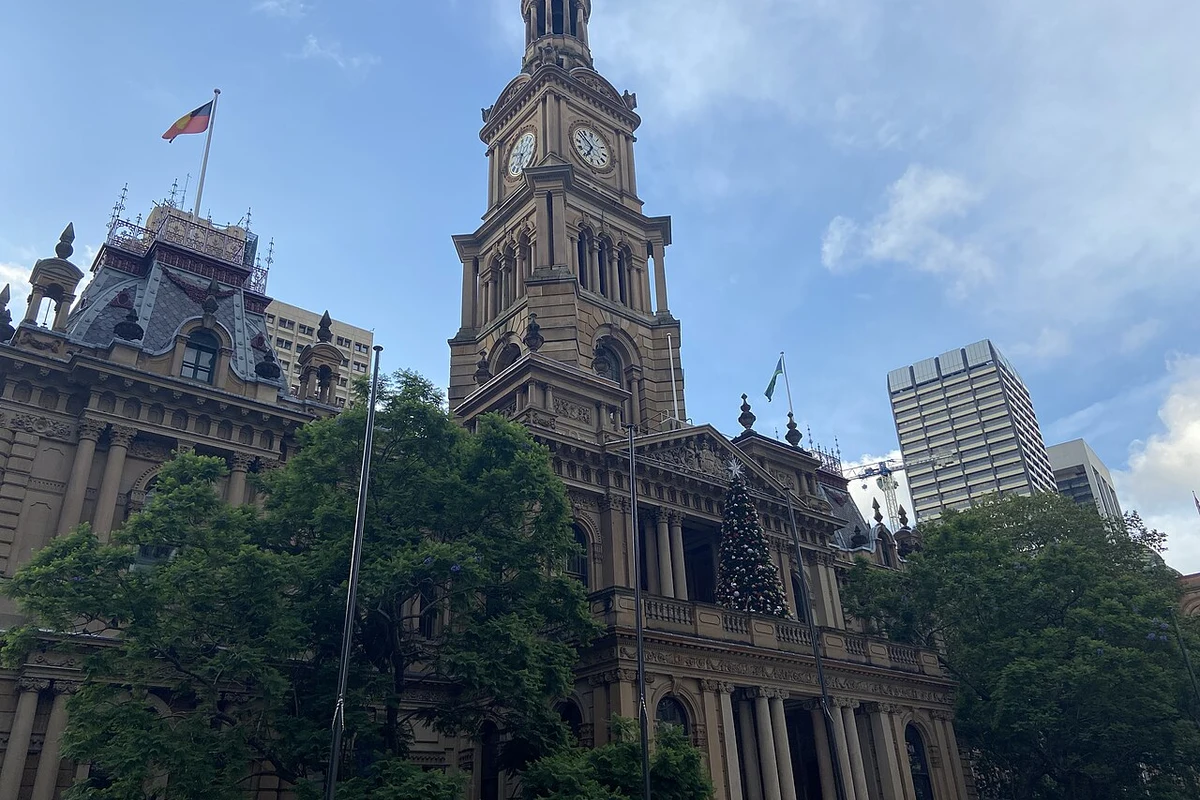
High School Anti-Capitalists organised the action. Sydney’s demonstration gathered at Town Hall, with rallies also reported in other cities. Participants carried handmade signs criticising the concentration of wealth and rejecting the idea that migrant communities were responsible for the difficulties facing young people.
The message that migrants were welcome appeared among the chants. Accounts from the protest side also linked the demonstrations to wider student movements overseas and to concerns about education, inequality and government priorities.
These are political positions advanced by participants and organisers. They should be attributed as such, just as Hanson’s criticism should be. The fact that the groups disagree does not make either side’s account of the other side’s motives independently established.
Were protesters defending the Labor government?
The demonstrations’ opposition to Hanson did not mean all the speakers were defending Labor.
An Adelaide speaker identified as Minh, a Vietnamese university student, criticised Labor’s approach to international students while supporting the protest against One Nation. The speaker’s argument was that government policy also contributed to pressure on migrants.
That intervention matters to the political framing. Hanson urged students to direct their criticism towards the government; at least one account of the rallies records a speaker doing so while continuing to oppose her party.
The criticism of visa policy was the speaker’s position. It does not establish a new change to immigration rules on the day of the protests. Anyone affected by a visa measure needs to check the actual government rule and its commencement date separately from a speech at a rally.
What do the students’ own accounts add to the dispute?
They describe a broader set of concerns than opposition to one politician alone, while rejecting the suggestion that young people lack political agency.
Organiser Odessa Bishop-McMurray, an 18-year-old member of High School Anti-Capitalists, identified housing, insecure employment, living costs, climate change and Gaza among the issues motivating students before the November action. Her account presents the walkout as part of an argument about the future participants expect to inherit.
Deakin University sociologist Eve Mayes places the activity in a longer history that includes the school climate strikes of 2018 and 2019. She describes young people connecting issues through both public action and digital networks, while cautioning against treating an entire generation as politically uniform.
Those accounts supply a different explanation from Hanson’s. They describe concerns and forms of organisation; they do not establish that every student shares the same ideology or that social platforms influence everyone in the same direction.
What does research say about young Australians’ political participation?
The Australian Institute of Family Studies finds engagement through informal and collective action alongside limited regular involvement in political parties.
Its July 2026 research uses 2023–24 responses from 4,407 participants aged 19–20 and 23–24. These were young adults, not a survey of the pupils attending the November walkouts.
| Measure in the AIFS study | Reported share |
|---|---|
| Expressed views about government actions during the preceding five years | 41% |
| Regular involvement with a political party | 1% |
| Believed people like them had a meaningful say in government decisions | 11% |
The institute’s release identifies Ebony Biden as the report’s lead author. Its findings distinguish participation from confidence that participation influences government.
The institute also reports that 37% engaged with political or social issues through social media, while 15% reported trust in news accessed through social media. These measure different things: participating through a platform is distinct from trusting the information encountered there. Their coexistence complicates any assumption that using social media necessarily means accepting everything it presents.
The dates and age groups limit what can be inferred. The study provides context for civic engagement; it does not measure this protest’s attendance, explain each marcher’s motives or test Hanson’s allegation about particular schools.
How should readers understand the word indoctrination here?
It is an accusation about political influence, and the statements available do not establish that a school directed students to adopt a particular view.
Does taking part in a protest prove indoctrination?
Participation establishes that someone joined an action. Establishing how a school taught a subject, whether participation was directed and what an individual student understood requires separate evidence. A political label alone does not supply it.
The distinction also works in the other direction. A protest sign or speech cannot demonstrate what every student in a school thinks, or speak for all migrant families. The rallies show organised opposition among the people who attended.
What rights apply to peaceful protest in Australia?
Peaceful assembly has legal protection, but the applicable rules and limits depend on the jurisdiction and circumstances.
The Australian Human Rights Commission’s protest-rights explainer, published in August 2025, distinguishes the constitutional protection for political communication from an unrestricted individual right to protest wherever and however someone chooses.
That distinction is especially relevant when public debate treats political participation as either wholly unprotected or free of any limits. Neither description captures the legal position across Australia.
The Queensland Human Rights Commission’s guidance on peaceful assembly and association explains the protection for peaceful gatherings and the conditions under which public authorities may impose justified limits. It distinguishes peaceful assembly from violence.
Victoria’s human-rights guidance separately describes protection under section 16 of its Charter for peaceful gatherings with a shared purpose, in public or private. The Charter applies to public authorities and people delivering services on government’s behalf.
The Victorian commission explains that restrictions may be permitted where they are reasonable, necessary, justified and proportionate. Its guidance also distinguishes information about Charter rights from the routes for making a complaint.
Queensland’s statutory framework should not be applied as though it is identical to the law in every state. Nor does general protest-rights guidance settle a particular school’s attendance requirements or the rules for a specific public gathering.
What does this mean for migrant families and students?
The practical distinction is between a political argument about migrants and the actual rules governing a student’s education, visa or participation in an event.
Families can check a school’s attendance and safety arrangements directly. People considering a demonstration should check the local requirements and organiser information rather than assume that a statement about protest rights in one state applies nationwide.
For Indian-Australian readers, the debate is relevant as part of the public discussion of migration and belonging. It does not justify assuming that all Indian Australians share a view of Hanson, Labor or the walkouts.
Further Australian reporting and diaspora coverage provide context for the wider argument. Claims about a particular policy should be checked against the authority responsible for it.
What happens next in the dispute?
The next substantive developments would be a further statement, an announced action or a specific policy proposal. The November walkouts themselves have already taken place.
The immediate record shows students challenging One Nation and Hanson challenging the influences and priorities behind their protests. Any claim about what schools instructed, how many students took part or what a particular community believes requires evidence beyond the competing political descriptions.