A booked time slot did not guarantee access to Paris’s best-known monument on Thursday: the Eiffel Tower closure on 5 November 2026 left visitors needing to check the operator’s notice before setting out, as a national strike affected services across France.
The closure was confirmed in the day’s reporting, while the tower’s own visitor information warned that access and opening hours could be disrupted and directed e-ticket holders to their email. Transport arrangements require a separate check. A train running on a line does not establish that every station on that line is open.
For travellers with a tightly planned Paris visit, the useful response is to separate three decisions: whether the attraction admits visitors, whether the journey to it works, and what the seller of the ticket will do about an affected booking. None can safely be answered by an old itinerary alone.
What does the Eiffel Tower closure mean for ticket holders?
Ticket holders should check the message attached to their own booking and the tower’s current notice before travelling. The official Eiffel Tower website is the starting point for access information, rather than a third-party listing showing standard opening times.
Its visitor notice for 5 November asks people holding e-tickets for that date to check their email. Keep the booking reference and the message from the operator together. A general warning about disruption does not establish the exact remedy available for every ticket, package or guided tour.
Identify who sold the booking. A ticket bought directly from the tower and a package bought from a tour company can involve different arrangements. Contact the seller shown on the confirmation, explain the affected date and ask for the available remedy in writing.
Do not buy a second ticket simply because a reseller appears to show availability. First establish that the tower is admitting visitors and that the replacement product covers the visit intended. The closure should not be turned into an assumed reopening time, priority-access offer or guaranteed alternative slot.
Which five checks help before changing a Paris itinerary?
The five checks are the attraction’s live status, the booking message, the transport route, the seller’s remedy and the feasibility of an alternative plan. They address different parts of the disrupted journey.
| Check | Where to look | What it establishes |
|---|---|---|
| Attraction access | Eiffel Tower’s official website | The operator’s latest visitor notice |
| Individual booking | Confirmation email and subsequent messages | Instructions relating to the ticket purchased |
| Local journey | Live RATP information | Line disruption and station access |
| Refund or change request | The seller named on the booking | The process and terms for that product |
| Replacement activity | That venue’s own website | Whether it is open and requires another reservation |
These checks matter together. A museum advertising ordinary hours may have reduced access during industrial action. A railway service can operate while a station entrance or interchange remains closed for security reasons. Replacing one reservation therefore calls for more than checking that another landmark exists nearby.
The day’s disruption is a dated event. It does not establish that the tower will remain closed on 6 November or that every attraction in Paris has shut. Travellers arriving later should look for the notice covering their actual date.
What is happening on public transport?
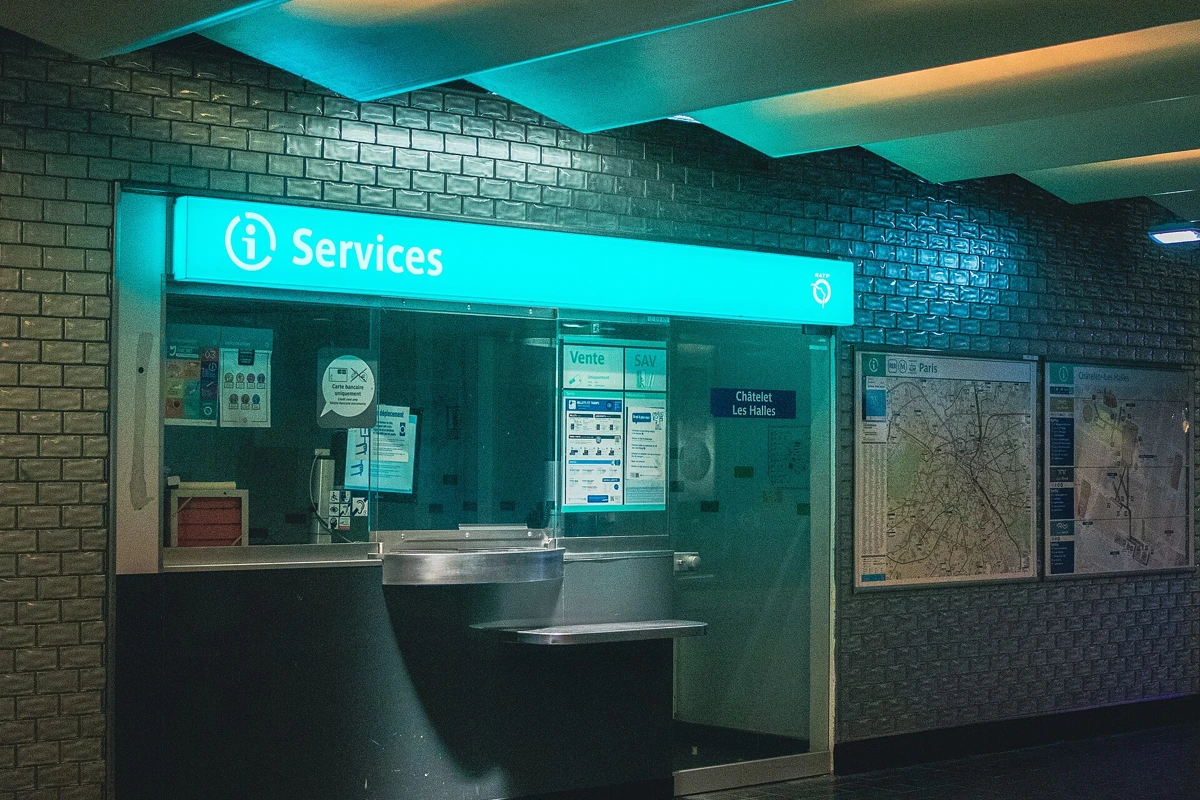
Passengers should check the live operator bulletin for their line and station, because service forecasts and police-ordered station closures answer different questions. Bonjour RATP’s traffic information lists the current restrictions and affected services.
The operator’s advance bulletin, updated on 4 November, anticipated disruption on RER and Transilien services on 5 November while expecting normal service across the métro network. A subsequent station-closure notice concerned access restrictions requested by the police prefecture. These are compatible statements: a train may run but bypass a closed station.
The live closure list included stations used by visitors, such as Charles de Gaulle–Étoile, Champs-Élysées–Clemenceau and Assemblée Nationale. Treat that as information for the day of the notice, not a permanent list or a forecast for the following morning.
For an airport journey, check each part separately. An attraction cancellation does not cancel a flight. Equally, a confirmed flight does not show that the usual rail connection to the airport is operating at the expected frequency. Allow the actual operator information to determine the route and departure time.
What is the difference between a service disruption and a station closure? A service disruption changes how trains run. A station closure affects where passengers can enter, leave or change trains, even when trains continue along the line. Both need checking before a journey.
Does a national strike mean all of Paris is closed?
No. The effects differ between institutions, transport services and locations. Reports of the Eiffel Tower’s closure should not be read as a blanket cancellation of every museum visit, train or flight in France.
The strike brought together workers from several sectors over pay and wider social concerns. The practical effect on a traveller nevertheless depends on the service they have booked. A national headline cannot supply the status of a particular departure or the conditions of a particular admission ticket.
Visitors choosing another attraction should use its own current information. Check admission, galleries or areas available, reservation requirements and the return journey. Do not assume that a pass overrides a separate reservation requirement or creates access during a closure.
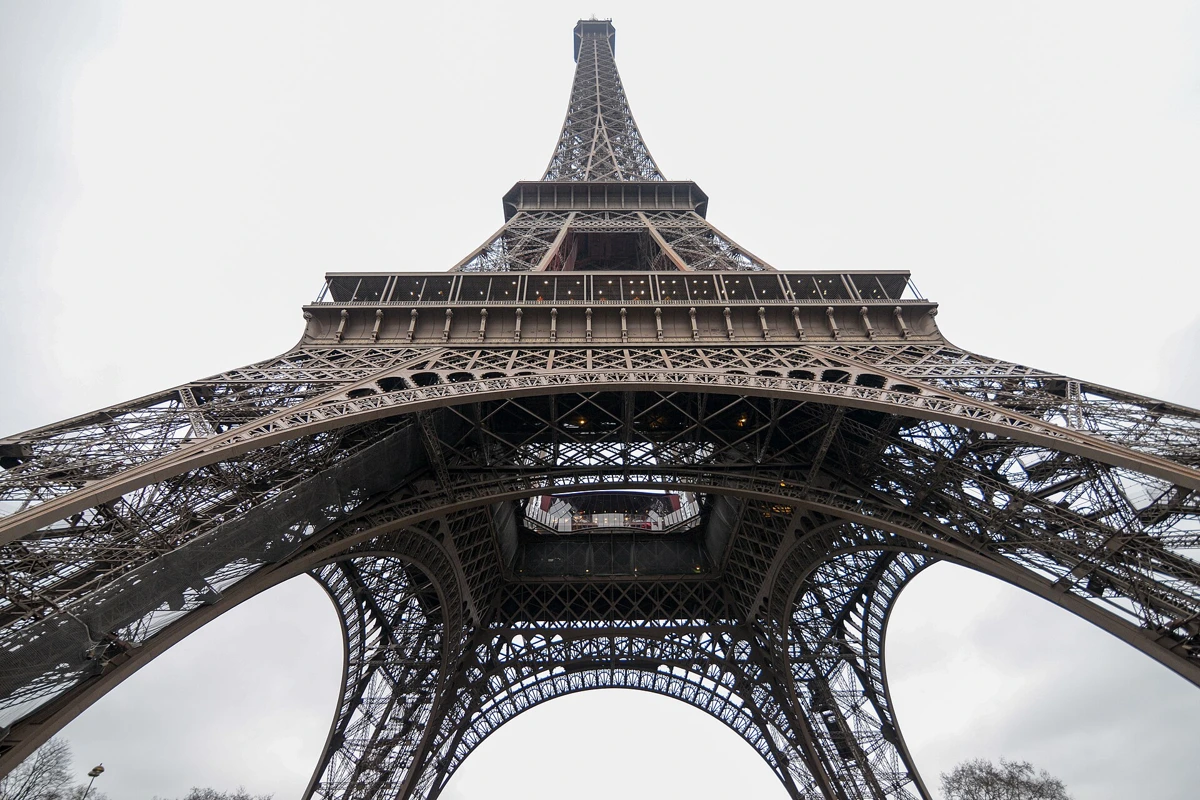
This also limits what can be inferred from images shared online. An archive photograph of the tower illustrates the place; it does not show the conditions at an entrance on 5 November. Use the operator’s statement and dated transport information to make decisions.
What should families and visitors keep together?
Keep the booking reference, the seller’s contact details, any closure message and receipts for changes. These records make it easier to describe the problem accurately when requesting a remedy.
For a family itinerary, identify which reservations depend on the affected time slot and which remain usable. A cancelled tower visit may leave a restaurant booking or an onward train unchanged. Check those arrangements before cancelling several products on the assumption that one remedy covers them all.
Readers can find related destination guidance in the Travel section and separate entry-document reporting in the Visa section. A strike notice changes neither a visitor’s visa conditions nor the expiry date of their permission to stay.
No India-specific restriction has been announced in the material checked. The closure concerns visitors generally. Indian travellers should use the same operator and booking checks, while keeping their own onward travel and immigration deadlines in view.
What happens next?
The next decision for visitors is the operator’s update on access and the message governing their booking. No reopening time or universal refund deadline is asserted here because neither has been verified for every affected product.
This report was checked on 5 November 2026. Before leaving for the tower, open the current notice again, then check the route and station information. For a later visit, use the notice covering that date rather than assuming Thursday’s closure continues.