
An overdue passport update can now be completed without the AUD 43 late charge for eligible OCI cardholders in Australia. The OCI penalty waiver covers applications pending on 31 October 2026 and fresh passport-detail updates received from 1 November to 31 December 2026, according to the High Commission of India in Canberra.
The relief is temporary. It does not remove the requirement to update a newly issued passport on the e-OCI portal, and it does not provide a refund to people who have already paid the penalty. Those distinctions matter for families deciding whether to finish an outstanding application, start a new update or seek money back.
The High Commission’s notice is dated 3 November. The central OCI portal also confirms a waiver through 31 December. As of 7 November, the submission window is open, giving cardholders an opportunity to bring their records up to date before the concession ends.
Who qualifies for the OCI penalty waiver?
The Canberra notice identifies two eligible groups: passport-update applications pending as of 31 October and fresh applications received between 1 November and 31 December 2026. These are applications to update passport details associated with an existing OCI record, rather than a general waiver of the cost of obtaining OCI status.
The High Commission’s original notice describes the normal obligation as updating new passport particulars within 90 days of the passport’s issue. The AUD 43 charge applies when the submission is made after that period.
A cardholder who is still within the normal update period should complete the task promptly rather than wait for the concession’s final day. For an overdue record, the relevant question is whether the application falls within the pending or fresh categories set out in the notice.
The date printed on a new passport and the date an update reaches the portal perform different roles. The former helps establish whether the normal deadline has been missed; the latter determines whether a fresh submission falls inside the waiver window. Keeping both dates available makes it easier to check the record accurately.
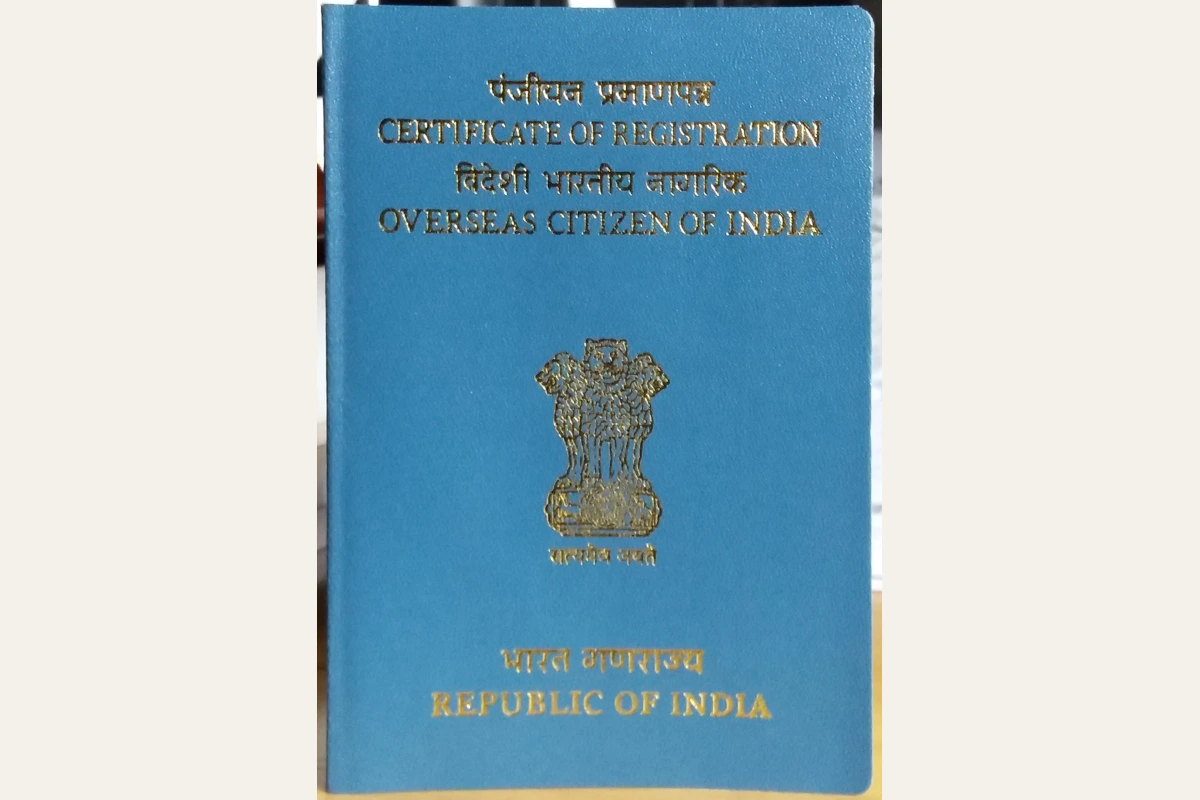
What are the five checks before submitting?
Check the application type, its status, the relevant dates, whether a penalty has already been paid and the correct official portal. Together, these checks distinguish an eligible delayed update from a different consular service.
| Your position | What the notice says | Practical check |
|---|---|---|
| Passport-update application pending on 31 October 2026 | Eligible for the one-time AUD 43 waiver | Retain the reference showing the existing application |
| Fresh passport update received from 1 November to 31 December 2026 | Exempt from the specified penalty | Finish submission and retain the acknowledgement |
| Penalty already paid | No refund will be processed | Do not assume the waiver creates a repayment claim |
| New passport still within the normal 90-day period | The ordinary update obligation continues | Complete the update promptly |
| A different OCI service | Not covered simply because it concerns OCI | Check the instructions and fees for that service |
For a family with more than one OCI holder, check each person’s passport issue date and application separately. A parent’s completed update does not establish that a child’s record has been submitted. Equally, an existing application reference should not be mistaken for confirmation that a second person’s update is complete.
The notice concerns receipt of an application in the specified period. It does not promise that every case will be processed by 31 December, or that a particular processing time applies to every applicant. Submission, acknowledgement and completion are separate stages.
Does the waiver remove the passport-update requirement?
No. It waives the specified late penalty for eligible cases while leaving the obligation to maintain passport details in place. A person who receives a new passport should still update the OCI record using the applicable service.
The official OCI Services portal displays the central waiver announcement. Its explanation refers to the USD 25 penalty; Canberra expresses the Australian charge as AUD 43. Cardholders using Australia’s consular arrangements should follow the Australian notice rather than convert a foreign mission’s fee themselves.
The different currency amounts do not create separate opportunities to claim a refund or choose a cheaper mission. They reflect the way the charge is communicated in different jurisdictions. The Australian eligibility dates and no-refund instruction should be read together.
What is an OCI passport-detail update? It is the process of recording a newly issued foreign passport against an existing Overseas Citizen of India record. It is different from acquiring a foreign passport, applying for OCI status for the first time or becoming an Indian citizen.
OCI is an immigration status available to eligible foreign citizens of Indian origin and other qualifying applicants. Its name should not be read as a grant of Indian citizenship. The record has to identify the passport used by its holder, which is why a passport replacement can require an administrative update even where the person already holds OCI status.
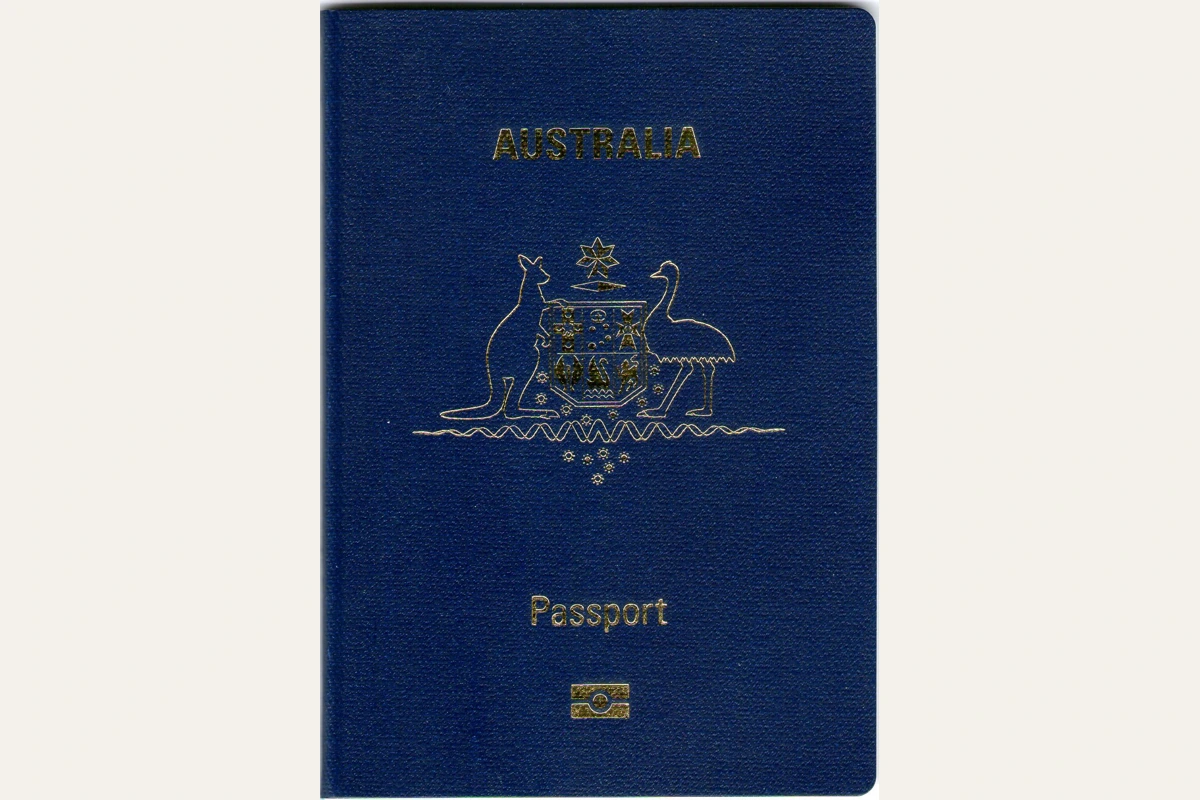
How should cardholders use the online service?
Start with the official OCI portal and its instructions for the passport-update service, then retain the record of what was submitted. Avoid treating a forwarded social-media message or an agent’s fee quote as the application itself.
Before opening the service, have the existing OCI details and the new passport available. Check spellings, document numbers and dates against the documents, rather than copying information from an old email. Use the portal’s current document and photograph requirements for the service selected.
After submitting, keep the application reference, acknowledgement and relevant correspondence. If an application is already pending, use its reference when asking about the waiver. Starting a second record without checking the first can make it harder to explain which application is being considered.
If the portal shows a charge that appears inconsistent with the notice, record the application type and the message displayed, then seek clarification from the relevant mission through its official contact route. A demand for payment should be assessed against the actual service, not assumed to be the delayed-update penalty.
The Canberra OCI services notice provides the Australian source document. Mission guidance should also be checked where an application involves a separate change of particulars. The waiver notice does not say that every possible service has become free.
What if the penalty has already been paid?
The High Commission says penalties already paid will not be refunded. The announcement therefore offers relief for eligible unpaid cases, rather than retrospective compensation for everyone who completed a delayed update earlier.
Keep the receipt with the application record. It can help identify the service and date if clarification is needed, but the existence of a receipt does not override the notice’s no-refund provision. A commercial intermediary’s separate service charge is also not automatically covered by the government’s penalty waiver.
The scope of the announcement should not be overstated in either direction. It is a specific opportunity for eligible cardholders to regularise passport particulars without this charge. It is not a permanent abolition of the deadline, a general fee holiday or an assurance that every travel-document issue has been resolved.
The notice itself does not explain why a person who has paid receives no refund, or set out a permanent replacement for the penalty policy. It would go beyond the published decision to describe the change as the result of a particular campaign or an admission by the authorities that the charge was unlawful.

What should travellers check separately?
Travellers should check the current document instructions for their journey separately from whether a late-update penalty is payable. An exemption from a fee does not establish the validity of every passport, OCI record or airline booking.
The High Commission has issued a separate advisory on passport updates and OCI travel. The advisory, dated 21 October 2026, says OCI holders may travel while their submitted update is being processed until final acknowledgement. During that period, it advises carrying the old passport, the new passport and the OCI card. That is a travel-document instruction for the processing period, rather than a reason to leave the update unsubmitted. Read the current advisory before departure. Do not treat the last day of the waiver as a travel deadline.
Related background includes the digital e-OCI system and OCI application arrangements in Australia. Those earlier reports provide context; the dated November waiver notice governs this particular concession.
What happens next, and how should this guidance be used?
Eligible cardholders have until the end of the announced fresh-application window, 31 December 2026, to take advantage of the waiver. The notice encourages early completion. It does not announce an extension beyond that date or a permanent change to the normal update requirement.
This guide reflects the official material checked on 7 November 2026. Use the current instructions from the High Commission of India in Canberra and the OCI Services portal for the actual submission. If the portal, a separate service or a pending case raises a question, quote the application reference when seeking clarification from the mission.