Canada’s next federal budget is scheduled for 5 November 2026, placing immigration admissions and the routes from temporary status to permanent residence back before applicants and employers. The Canada immigration plan update is expected alongside that budget, but new targets had not been verified at the time of writing on 4 November.
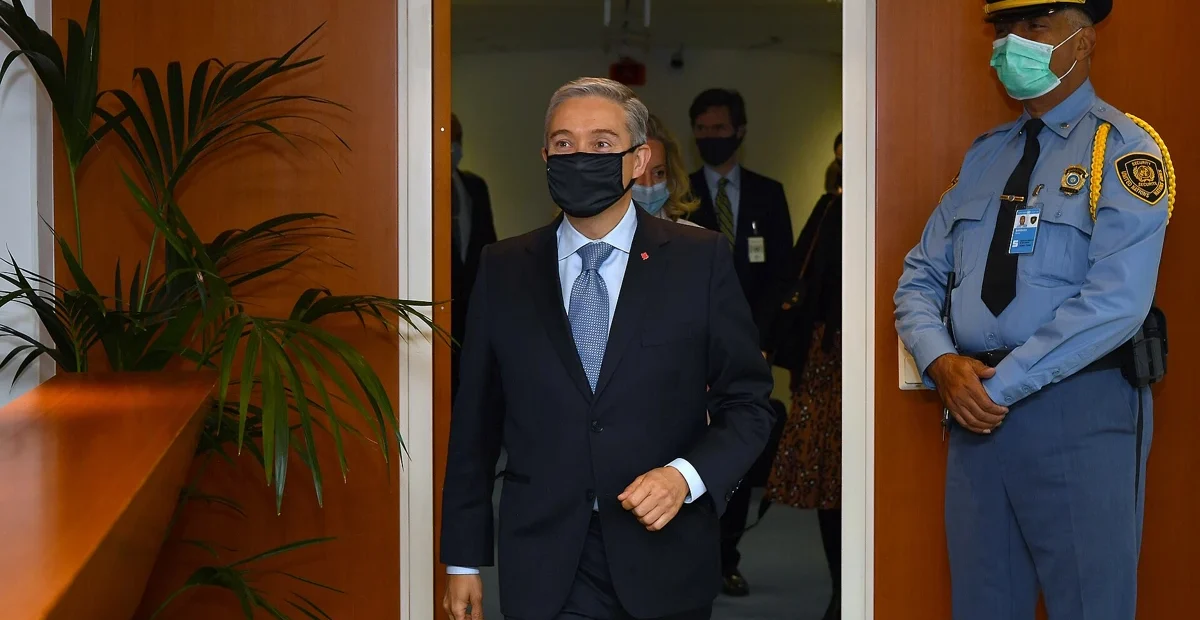
Finance Minister François-Philippe Champagne has confirmed the budget date. Current immigration planning already separates permanent admissions from new temporary-worker and international-student arrivals. Those categories, and the years they cover, will matter more to an applicant than a single headline describing an overall increase or cut.
For someone with a permit expiring or an application in preparation, the immediate task is to keep meeting existing conditions. An anticipated budget announcement does not extend status, issue an invitation or establish eligibility for a programme that has not been opened.
What is confirmed about the Canada immigration plan update?
The confirmed official date is the presentation of Budget 2026 on Thursday, 5 November. The Department of Finance advisory, dated 20 October, names the minister and the budget date.
Reporting on 3 November, based on a government source, said the annual immigration-levels update would be included. The official budget advisory itself does not publish new immigration allocations. This report therefore treats inclusion as expected and gives no purported new 2027 target.
The distinction is more than wording. A government can announce an intention in a budget while leaving the detailed programme instructions, application mechanism or commencement date to another publication. Each needs to be checked before it becomes advice to an applicant.
What does the current published plan say?
IRCC’s published 2026-2028 plan sets an annual permanent-resident admissions target of 380,000 and separate targets for new temporary arrivals. These are the existing baseline, not figures newly announced for the coming budget.
| Measure in the existing 2026-2028 plan | 2026 | 2027 | 2028 |
|---|---|---|---|
| Permanent-resident admissions target | 380,000 | 380,000 | 380,000 |
| New temporary-worker and student arrivals target, combined | 385,000 | 370,000 | 370,000 |
| Status of these figures in this preview | Published baseline | Subject to confirmation or adjustment | Subject to confirmation or adjustment |
The official supplementary plan describes the temporary figures as new worker and student arrivals. They are not a count of every temporary resident already living in Canada.
The permanent-resident total also contains distinct economic, family, refugee and other categories. A stable overall figure can coexist with a different allocation to a particular route. Conversely, a larger headline total does not establish that the programme relevant to one family has received more places.
These are planning targets and ranges, rather than a promise that every eligible person will receive an invitation. Applicants still need to meet the requirements and selection process of their chosen category.
Why do temporary and permanent numbers need separate treatment?
They describe different movements and legal statuses. A student or worker arriving on temporary permission is not automatically a permanent-resident admission, while a person already in Canada may later be admitted as a permanent resident.
The current plan says the two sets of targets have been developed together, with attention to people already in Canada who have needed skills and experience. It also refers to one-time initiatives. Those features mean a reader should inspect what is inside the main total, what is additional and which period an initiative covers.
The comparison should not be reduced to adding every number appearing on a budget page. A count of people already on a particular pathway, an annual admission target and a multi-year initiative can overlap in purpose or refer to different stages. The published definitions determine whether they can meaningfully be combined.
What is an immigration levels plan? An immigration levels plan sets national planning targets and ranges for admissions and specified temporary arrivals. It guides the scale and composition of immigration; it does not itself grant an individual a visa or permanent residence.

What should applicants check when the budget appears?
Applicants should look first for the years covered, the specific category affected, any transition and the document that explains implementation. A statement that Canada will prioritise a group is less useful than an instruction identifying who qualifies, when and how to apply.
For a prospective permanent-residence applicant, compare the relevant economic or family category with the existing baseline. Note whether an announcement changes admissions, nominations, invitations or application eligibility. These are related levers, but they are not interchangeable.
For a student, distinguish new-arrival planning from the validity and conditions of a permit already issued. A national target is not an individual cancellation notice. Equally, an existing permit does not establish that a future extension or another visa category is guaranteed.
For a worker, separate permission to remain employed from eligibility to make a permanent-residence application. A job offer may be relevant to a route, but the offer’s duties, pay, employer and other programme requirements still need to meet the published test.
For families, identify whether the announcement concerns spouses and children, a sponsorship category or an economic programme’s accompanying dependants. A statement about one cannot safely be generalised to all the others.
What can Indian applicants prepare before the announcement?
They can organise their existing documents and deadlines without predicting a policy outcome. Passport validity, permit expiry, work records, language-test results and qualification documents should be checked against the actual route being considered.
Keep a clear list of what is already submitted, what remains outstanding and which official deadline is next. A budget expected tomorrow is not a reason to miss a deadline today or to assume that waiting preserves legal status.
Anyone considering a paid application service should ask the provider to identify the current official programme and requirements. Claims of a guaranteed invitation or a budget-only registration window need a published basis. No such guarantee is established by the forthcoming budget date.
Readers can compare the existing Express Entry job-offer points coverage with the eventual budget instructions, but should treat a selection-system change and a national admissions target as separate developments. The Canada study-permit reporting similarly concerns a different question from permanent-resident admissions.
Which source should settle a claim about a new pathway?
IRCC’s published programme requirements and instructions should settle what an applicant must do, read with the governing law and any relevant official announcement. A budget document can establish the government’s proposal or commitment, but may not contain the complete application rules.
If an initiative is announced, check whether an application page is open, whether the announcement specifies a start date and whether the person is within the defined group. The absence of those details should be reported as an unanswered implementation question, rather than supplied through a guessed eligibility test.
A responsible comparison will also preserve the old baseline. Recording the pre-budget figures makes it possible to identify what changed when the new plan appears, rather than comparing the new number with an unrelated year’s proposal or an old news headline.
What happens next, and how should readers use this preview?
The next verifiable event is the scheduled presentation of Budget 2026 on 5 November. The budget and any accompanying IRCC publications will establish whether an immigration update is included and what it actually contains.
Use this preview to distinguish the existing baseline from the questions awaiting an answer. It was checked on 4 November 2026 and does not report unreleased targets. Recheck Finance Canada and IRCC before making an application or changing a plan on the basis of the announcement.