An Indian citizen travelling directly to Nepal faces a different document test from one using Nepal to reach another country. India passport exemptions revised in a Gazette notification on 5 November 2026 make those itinerary distinctions explicit, while also covering tightly defined groups of foreign nationals already in India.
The Ministry of Home Affairs’ Immigration and Foreigners (Exemption) (Amendment) Order, 2026 is dated 4 November and takes effect on publication. It amends the 2025 exemption order under section 33 of the Immigration and Foreigners Act, 2025.
The change is not a general waiver of passports or visas for foreign visitors. Some clauses concern travel between neighbouring countries; others remove a specified passport requirement for continued residence by people meeting detailed historical conditions. Several expressly preserve the need for an appropriate visa.
What do the India passport exemptions change for Nepal and Bhutan travel?
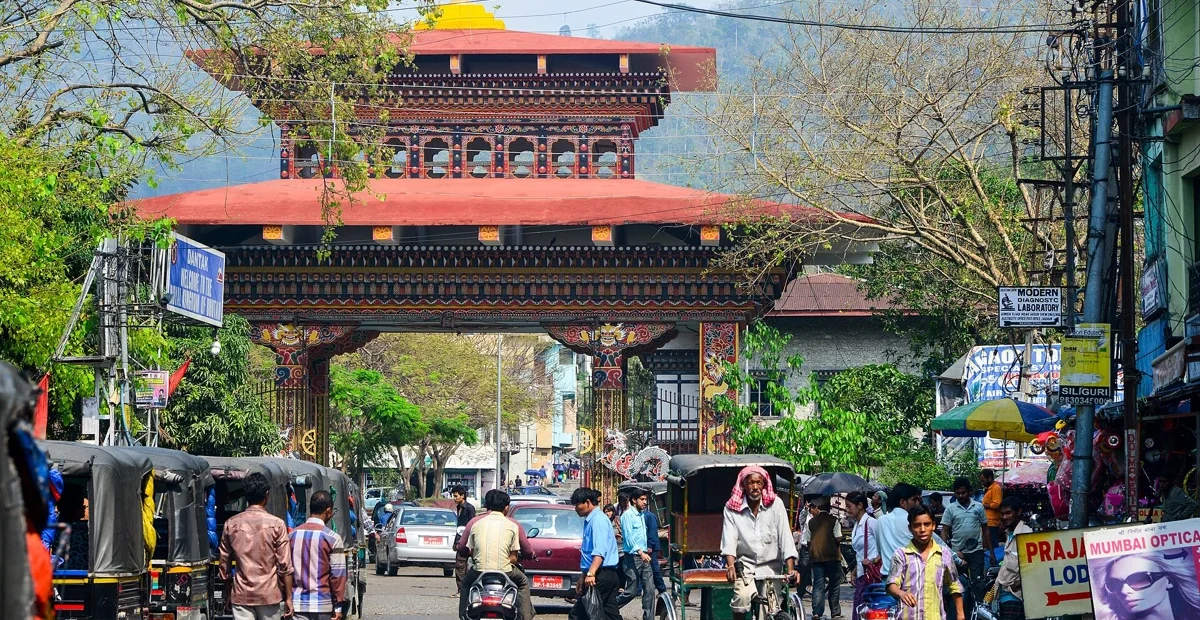
The amended order covers Indian citizens entering India from Nepal or Bhutan, or departing India for those countries, by land or air. They must produce an identity document specified in the Visa Manual and supply information required by the immigration officer.
The Gazette amendment, S.O. 6027(E), does not reproduce the complete document list. Instead, it defines the Visa Manual as the Central Government’s instructions on visas, immigration and connected matters and incorporates its requirements.
For Indian citizens departing to, or returning from, another country through the India–Nepal or India–Bhutan border, the exemption does not apply. They need a valid passport, and their departure from or entry into India must take place through a designated immigration post.
The practical distinction is the actual itinerary, not simply which border appears on a ticket. A journey between India and Nepal is different from a trip through Nepal to a third country. A description such as “passport-free Nepal travel” cannot answer both cases.
What applies to citizens of Nepal and Bhutan?
Citizens of Nepal and Bhutan entering or leaving India by land or air must establish identity with a document specified in the Visa Manual and provide any information the immigration officer requires. The order then sets out exceptions linked to the route.
For travel into or out of India involving a place other than Nepal or Bhutan, it requires a valid passport. A separate clause requires a valid passport and visa for a person who embarked from or transited through China, Macau, Hong Kong or Pakistan.
That difference in wording matters. The general third-country clause expressly specifies a passport; the four-place clause expressly specifies both passport and visa. This report does not extend one requirement beyond the wording of the order or suggest that a passport alone resolves all entry conditions in every case.
| Traveller and itinerary | Requirement stated in the amended travel clause |
|---|---|
| Indian citizen travelling between India and Nepal or Bhutan | Identity document specified in the Visa Manual; information requested by the officer |
| Indian citizen using either neighbour to travel to or from a third country | Valid passport and a designated immigration post for entry or exit from India |
| Nepalese or Bhutanese citizen entering or leaving India | Visa Manual identity requirements, subject to route exceptions |
| Nepalese or Bhutanese citizen travelling to or from another place | Valid passport under the general third-country exception |
| Nepalese or Bhutanese citizen embarking from or transiting China, Macau, Hong Kong or Pakistan | Valid passport and valid visa |
This table explains the Indian order. It is not a substitute for the destination’s entry rules, an airline’s document checks or instructions for a particular immigration post.
Which documents should Indian travellers check with the embassies?
They should consult the relevant embassy’s current route guidance, especially for air travel and children. The Gazette’s reference to the Visa Manual does not establish that any government identity card will be accepted.
The Embassy of India in Kathmandu lists a valid Indian passport or an original Indian voter identity card with photograph for Indian nationals flying between India and Nepal. It says a downloaded or online-print voter card is not accepted and that Aadhaar, PAN and driving licences are not accepted travel documents for that air route.
A person without the usual valid document should not assume a photograph on a phone will suffice. The embassy separately provides information about an Emergency Travel ID for return air travel to India. That is a defined consular process, not a general replacement for normal documents on any itinerary.
The Embassy of India in Thimphu distinguishes visa exemption from Bhutan’s entry-permit process. Its published guidance describes a valid passport with at least six months’ validity or an Election Commission voter card, and an original birth certificate for a child below 18 without a passport. Check the current instructions for the planned crossing and destination within Bhutan.
Which foreign residents are covered by the narrower passport exemptions?
The amendment identifies specific groups through nationality, arrival date, document history and other conditions. It does not make every person sharing that nationality eligible.
One clause concerns Pakistani citizens who originally entered India on or before 31 December 2009 on a Pakistani passport intending permanent residence and could not renew it because they lack the relevant Computerised Nationality Identity Card. Another concerns specified former Indian citizens who went to Pakistan after Partition, returned by the same 2009 cutoff and settled in Keralam, subject to detailed family, property and security conditions.
A further provision covers qualifying people of Indian origin who acquired Malaysian or Singaporean citizenship, returned to India by 31 December 2009 on those countries’ passports and cannot renew the expired documents for the reasons stated. Documentary proof of Indian origin is required.
These are exemptions from specified passport or travel-document requirements for staying in India. The order expressly requires the people covered to obtain an appropriate visa for continued stay. It does not grant Indian citizenship or create a blanket permission to travel abroad with an expired passport.
What is an exemption order? It removes a specified legal requirement for people and circumstances defined in the order. It does not remove every other immigration obligation, and its conditions determine who can rely on it.
What does the order say about other protected groups?
It separately addresses registered Sri Lankan Tamil nationals who took shelter in India up to 9 January 2015, defined categories of Tibetans and specified persecuted minority communities from Afghanistan, Bangladesh and Pakistan. Each has its own conditions.
For Tibetans, the provisions refer to entry permits or special entry permits issued by the Indian Embassy in Kathmandu, the relevant arrival period and registration. They should not be described as a new permission for anyone to cross the border without an approved document.
For the listed minority communities, the order covers people compelled to seek shelter because of religious persecution or fear of it who entered on or before 31 December 2024 without valid documents, or whose documents expired. It also states that an appropriate visa is required for continued stay.
The order contains separate provisions for Indian armed-forces personnel travelling on duty and qualifying accompanying family members on government transport, and for foreign military-vessel crew arriving for repairs with the specified permit and military identification. These specialised categories do not create an ordinary tourist exemption.
What should travellers and families do before relying on the change?
They should identify the exact clause, confirm that every condition is met and check what permission remains necessary. An exemption from renewing a passport for residence is not the same as permission to board an international flight.
Prepare the documents establishing nationality, arrival date, identity and the reason a passport cannot be renewed where those facts form part of the clause. Use the competent immigration or registration authority to establish the appropriate procedure rather than treating the news headline as an application approval.
For a journey, write out the whole route, including transit points, and check the destination and carrier requirements. For a family with different nationalities, assess each traveller separately. Indian origin does not make a foreign citizen an Indian citizen for the bilateral travel exemption.
Related reporting in the Visa section and Travel section should be read with the primary order. These exemptions are separate from proposals to shorten India’s visa forms and reduce categories; the existence of one does not implement the other.
What happens next, and how should the order be used?
The amendment is operative from publication, but travellers and residents still need the instructions applying to their route or registration case. Further administrative guidance may explain how particular evidence is to be supplied; the Gazette itself does not set out an application workflow for every category.
This explanation was checked against the Gazette on 5 November 2026. Use the Ministry of Home Affairs order and current embassy or immigration instructions, then seek a case-specific assessment where historical eligibility or continuing visa permission is uncertain.