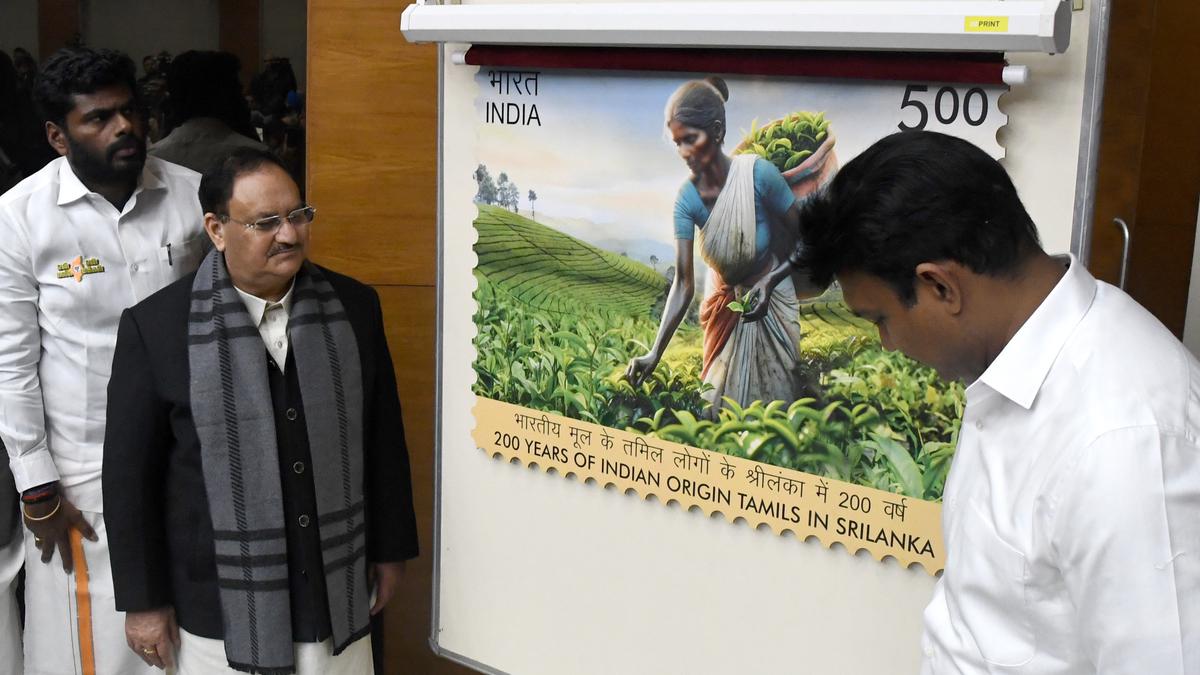
India’s unwavering dedication to the well-being and comprehensive development of the Indian Origin Tamil community in Sri Lanka has recently been emphasized by the Indian High Commissioner to Sri Lanka, Santosh Jha. This commitment was reaffirmed during a significant meeting with the leaders of the Tamil Progressive Alliance, headed by Mano Ganesan. In this article, we delve into the historical context, the current scenario, and the future prospects surrounding the India-mooted 13th Amendment as a potential solution to address the minority Tamil community’s longstanding demand for political autonomy.
In this article, we delve into the historical context, the current scenario, and the future prospects surrounding the India-mooted 13th Amendment as a potential solution to address the minority Tamil community’s longstanding demand for political autonomy.
The Historical Significance of the 13th Amendment
The roots of the 13th Amendment can be traced back to the Indo-Sri Lankan agreement of 1987. Under the leadership of Prime Minister Rajiv Gandhi, the Indian government played a pivotal role in introducing this constitutional amendment. Its primary objective is the devolution of power to the Tamil community, aiming to address their legitimate aspirations for autonomy.
The Evolution of the 13th Amendment
Sri Lankan President Ranil Wickremesinghe, on January 5, expressed support for the 13th Amendment as a viable solution to the minority Tamil community’s demand for political autonomy. The 13A became an integral part of Sri Lanka’s Constitution in 1987, creating nine provincial councils, including a temporary merger of the North and East – areas claimed by the Tamil minority as their traditional homeland.
Challenges and Setbacks
Despite the historical significance of the 13th Amendment, Sri Lanka has faced challenges in its implementation. The Tamils, who have persistently sought autonomy since gaining independence in 1948, have encountered a series of failed negotiations. Various attempts, including the creation of a joint provincial council in 1987 and constitutional efforts by Wickremesinghe between 2015-19, have faced opposition from hardline majority politicians.
The Tamil Struggle for Autonomy
The demand for autonomy among Tamils traces back to the mid-70s and has manifested in a protracted and bloody armed conflict. Velupillai Prabhakaran led a three-decade-long separatist campaign under the banner of the Liberation Tigers of Tamil Eelam (LTTE). The LTTE aimed to establish a separate Tamil homeland in the Northern and Eastern provinces of Sri Lanka, resulting in a complex and violent chapter in the nation’s history.
India’s Ongoing Advocacy
India’s persistent advocacy for the implementation of the 13th Amendment is rooted in its commitment to addressing the legitimate concerns of the Tamil minority. The recent meeting between the Indian High Commissioner and the Tamil Progressive Alliance leaders underscores India’s proactive role in working closely towards the well-being and holistic development of the Indian Origin Tamil community.
India’s commitment to th Indian Origin Tamil community’s well-being in Sri Lanka remains steadfast. The historical context of the 13th Amendment, coupled with the contemporary challenges and the ongoing struggle for autonomy, highlights the complexities surrounding this issue. As India continues to advocate for the implementation of the 13th Amendment, the hope for a comprehensive solution to the minority Tamil community’s aspirations for political autonomy persists.


