The grand opening this week of the Ram Temple in Ayodhya, India, has triggered a wave of both jubilation and criticism, reigniting long-simmering tensions over religious tolerance in the world’s most populous democracy.
The temple, built on the disputed site of the demolished 16th century Babri Mosque, has drawn mixed reactions, with Hindu devotees celebrating its completion while Muslim groups and international observers express dismay.
“[We are] troubled by the recent construction and inauguration of the Ram Temple in Ayodhya on the site of the demolished Babri Mosque,” Stephen Schneck, a member of the U.S. Commission on International Religious Freedom, or USCIRF, told Voice of America (VOA) in written comments.
“It highlights a concerning precedent regarding the security of places of worship in India, many of which remain damaged and destroyed, particularly in the aftermath of violence in Manipur, for example.”
Ethnic violence in Manipur left an estimated 175 people dead and hundreds of places of worship destroyed in May 2023.
The Organization of Islamic Cooperation, or OIC, a 57-member intergovernmental organization of Muslim-majority nations, has denounced what it calls the obliteration of Islamic landmarks in India.
Indian Prime Minister Narendra Modi reportedly observed a fast and prayers for 11 days prior to the opening of the Ram Temple in Ayodhya city. The city has a population of 3 million people, including some 500,000 Muslims.
“Today our Lord Ram has come. After centuries of waiting, our Ram has arrived,” Modi said in a Monday speech in which any mention of Babri Mosque was notably absent.
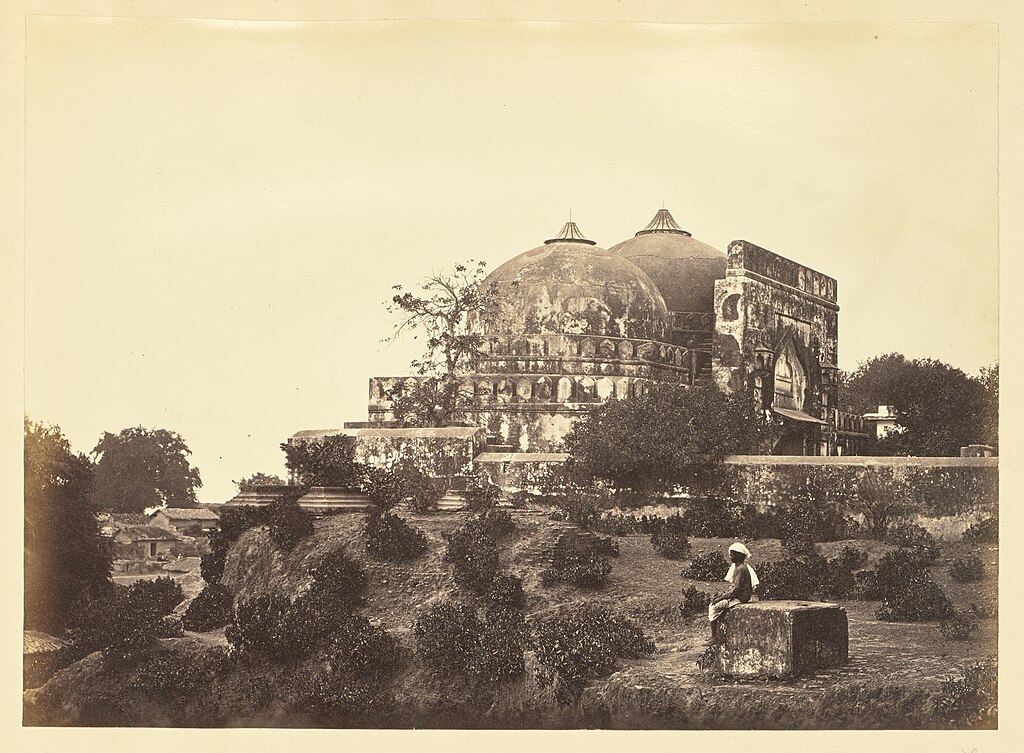
The mosque’s 1992 destruction triggered widespread communal violence across India, claiming at least 2,000 lives.
Although India’s Supreme Court approved construction of the Hindu temple in 2019, the country’s secular constitution prevented government funding for the religious project, which ultimately received $360 million in private donations.
A new India
On Monday, Modi, who has faced accusations of promoting Hindu nationalism, used the term “divine India” to describe his long-term vision for the country.
“By moving ahead of building the temple, now we all take the oath of building a national, capable, successful, beautiful, and divine India,” Modi told thousands of Hindu worshippers gathered for the consecration of the new temple.
Since Modi’s rise to power in 2014, human rights groups and independent observers have warned about growing religious intolerance in the South Asian country.
USCIRF in 2023 called on the U.S. government to list India, along with Afghanistan, Syria, Nigeria and Vietnam, among its Countries of Particular Concern for religious freedoms.