Febe De Geest, The University of Melbourne and Sergio Jarillo, The University of Melbourne
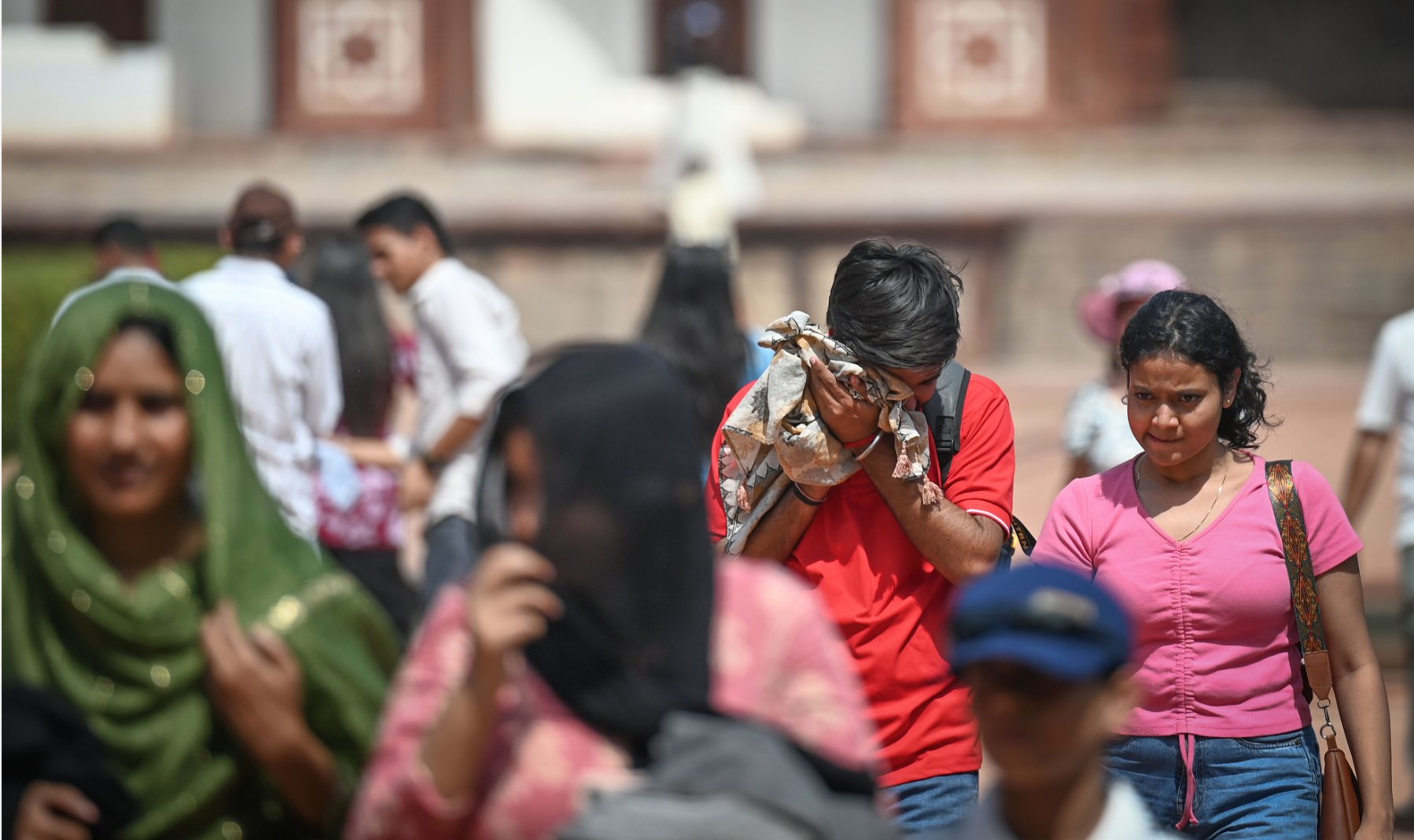
Right now, an unusual April and May heatwave is scorching large parts of India.
Temperatures have exceeded 46°C across the northwest and centre, schools are closed, hospitals have set up dedicated heatstroke units and the government has issued heat warnings.
We tend to think of heatwaves as a health crisis – almost 490,000 people die from heat globally each year. But this doesn’t account for the destructive effects of extreme heat on the everyday lives of women in ways that don’t show up in mortality statistics.
Our research review, which looks at examples across Oceania, Africa and Asia finds that the people who are forced to adapt to the greatest extent are the ones that climate policies ignore the most.
Heat at work and at home
How people experience heat is often gendered. In many parts of the world, the tasks interrupted by extreme heat are socially and culturally determined.
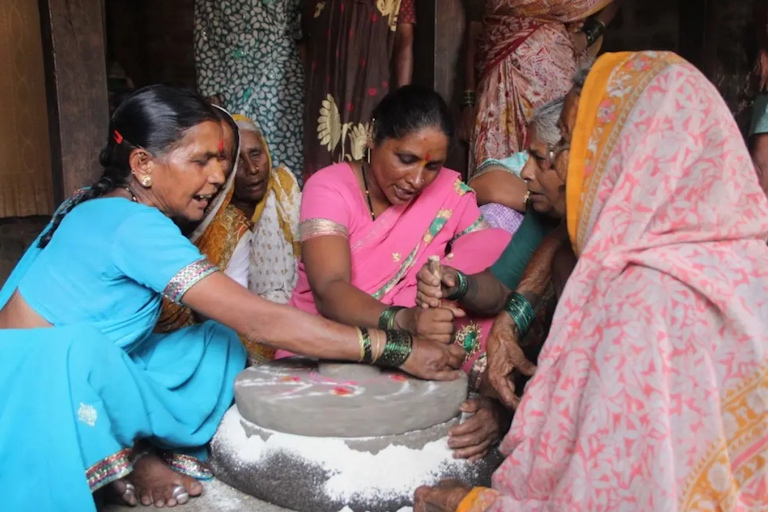
For example, in many parts of Africa, Asia and Oceania, women are the primary household caretakers. They are often forced to spend more time indoors than men, in poorly ventilated homes without insulation or cooling, causing physical and mental stress. This shows how extreme heat erodes women’s wellbeing in ways that go far beyond health.
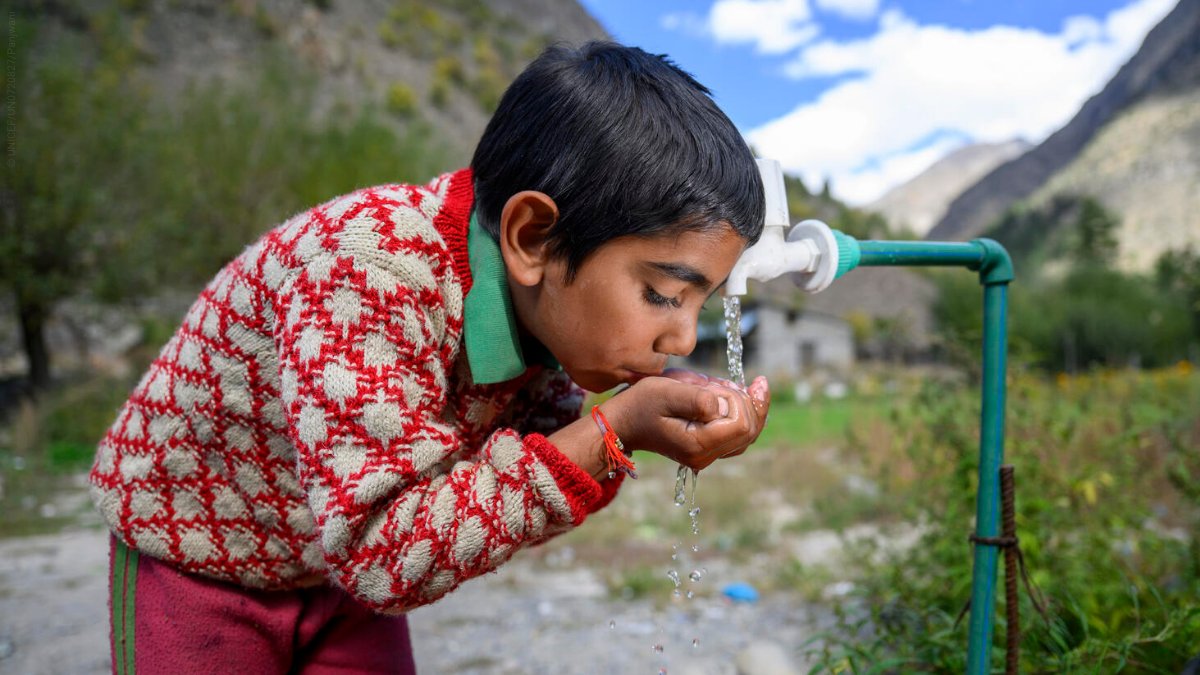
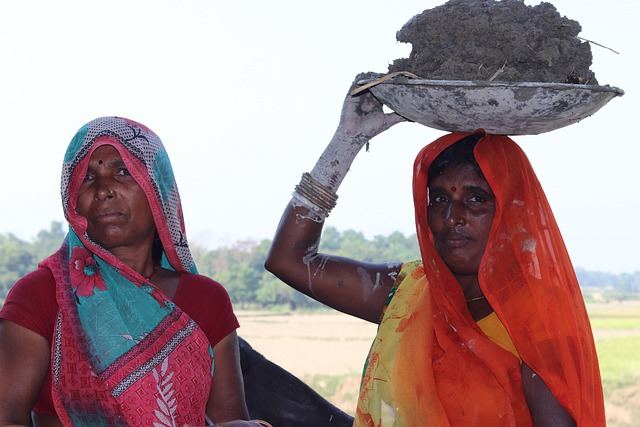
In the workplace, gender segregation shapes heat exposure too. Research in India and Bangladesh shows inadequate sanitation in informal workplaces hits women particularly hard during extreme heat. Some women drink less to avoid using unhygienic toilet facilities, leading to dehydration and further health problems.
In India and the Maldives, cultural and religious norms require women to wear more clothing than men, leaving them feeling hot and uncomfortable. These aren’t trivial inconveniences; they compound heat exposure in ways that shape how women experience hot weather.
Extreme heat reshapes social worlds
During heatwaves, women in many tropical settings stay indoors, which limits their social connection. Research in Burkina Faso shows heat increases the isolation of pregnant women, decreasing their connection to the friends and family who are central to their wellbeing.
Heat also affects how women perceive themselves. In rural Kenya, pregnant women who struggled with outdoor tasks during extreme heat reported feeling perceived as “weak” or “lazy”. This was a significant blow in communities where a woman’s worth is tied to fulfilling domestic expectations.
Furthermore, there is substantial evidence that higher temperatures increase the risk of men’s physical violence against women. In Cameroon, women suffering from extreme heat at home were nearly three times more likely to report an increase in domestic violence.
In Bangladesh, Cambodia and Nepal, heatwaves have been linked to increases in child marriage, as struggling families force unions on their daughters to ease financial stress and reduce household costs. These marriages frequently lead to lower security and diminished power for young women, undermining their sense of safety.
Women are already adapting
Adjusting to an increasingly hot world requires a concerted effort by individuals and institutions. But women aren’t waiting for policy to catch up – they are already adapting creatively, and often without institutional support.
For example, in informal settlements in Ahmedabad, India, women painted their roofs white and used coconut husks and paper waste to build cooler roofs. In Bangladesh, women built shaded, ventilated rooms attached to their houses, which can offer sun protection and privacy while doubling as gathering spots for community meetings. In Jakarta, women established shaded communal areas that function as informal cooling centres.
These are “everyday adaptations”; small-scale, grassroots practices that emerge from daily routine rather than institutional programs. They represent the way many low-income communities cope with heat. And they often serve multiple purposes at once, such as physical cooling, social connection and community building.
What needs to change
Climate adaptation policies need to move beyond treating heat as a gender-neutral challenge. Our research shows how heat affects the wellbeing of women and men differently. These differences are shaped not just by biology, but by culture, power and intersections of class, caste and migratory status.
Critically, women are not simply passive victims of heat. But their everyday practices remain largely invisible to the institutions designing climate responses.
Policymakers should recognise and support them. As heatwaves grow more frequent and intense, the women who paint their roofs white or build cooler spaces for community meetings in Bangladesh, are already leading the way.
Febe De Geest, Research Fellow in Human Geography, The University of Melbourne and Sergio Jarillo, Research Fellow in Climate Change Adaptation, The University of Melbourne
This article is republished from The Conversation under a Creative Commons license. Read the original article.