A sweeping plan to transform one of the Indian Ocean’s most ecologically fragile islands into a major shipping and military hub threatens to damage both the island’s ecosystems and its Indigenous inhabitants.
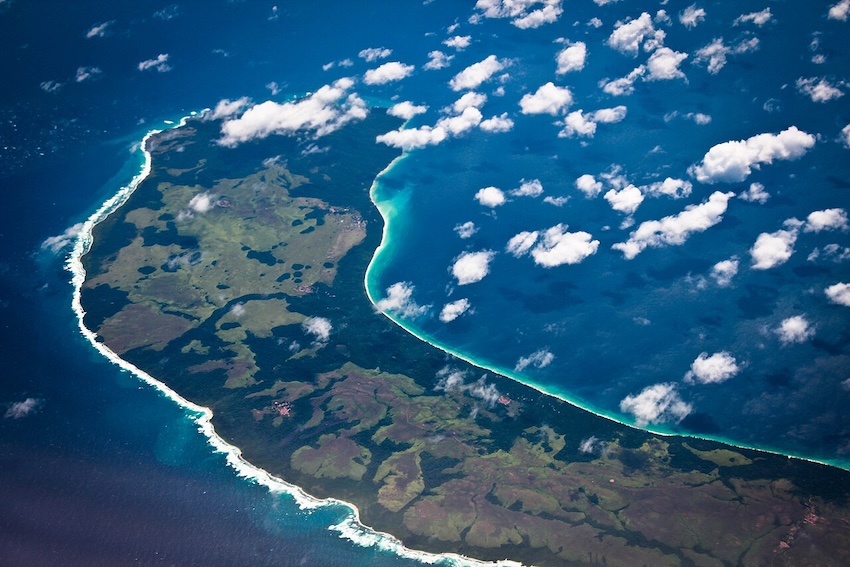
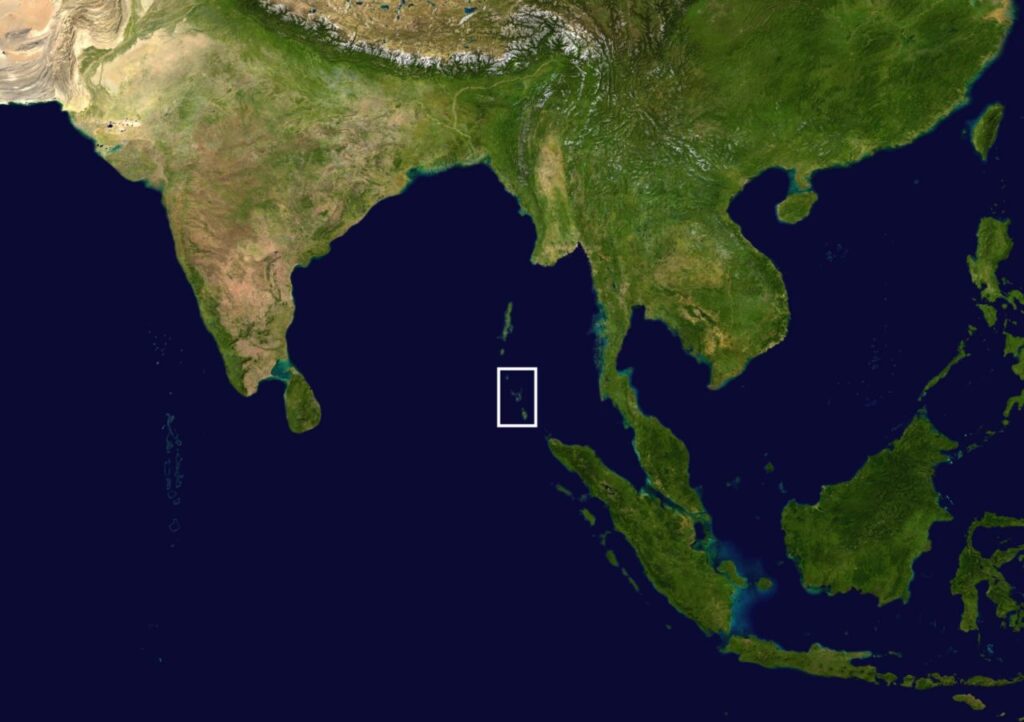
The multi-billion-dollar initiative, officially known as the Great Nicobar Island Development Project, envisions the construction of an international transshipment port, an airport, a power plant, a township and tourism facilities on Great Nicobar Island, the southernmost island in India’s Andaman and Nicobar archipelago.
Indian officials have promoted the project as a strategic and economic necessity. But critics argue the project threatens the UNESCO-designated Great Nicobar Biosphere Reserve that supports numerous endemic and endangered species including giant leatherback sea turtles, crab-eating macaque, and saltwater crocodile.
Estimates cited by researchers and environmental groups suggest that nearly one million trees could be cut down as part of the development.
The project has also become a flashpoint in a growing international debate over Indigenous rights in the region.
Great Nicobar is home to the Nicobarese and the Shompen. Like the nearby Sentinelese and Jarawa peoples, the Shompen are classified by India as a Particularly Vulnerable Tribal Group (PVTG). As a result of their limited contact with outsiders, the Shompen are considered to be especially vulnerable to outside diseases.
In February 2024, dozens of genocide scholars and academics from multiple countries issued warnings that the project could amount to a “death sentence” for the Shompen due to the likely influx of hundreds of thousands of settlers, workers and military personnel.
Advocacy organization Survival International has repeatedly called for the project to be scrapped, arguing the proposed development risks wiping the Shompen out by destroying much of the rainforest on which they depend and exposing them to potentially fatal infectious diseases.
The Indian government claims there is nothing to worry about, because no forced relocations are planned. They also say environmental safeguards and tribal protections are being incorporated into their development strategy.
Government statements released earlier this month even went so far as to describe the project as an example of “holistic development,” emphasizing consultations with agencies including India’s Ministry of Tribal Affairs and the Anthropological Survey of India.
However, Manish Chandi, a researcher who has worked on Great Nicobar Island for more than 20 years, asserts that at least 3 Shompen settlements will be displaced. “You can see it on Google Earth. They will be displaced… there’s no doubt about it,” he told Frontline.
Researchers and local advocates say the consultation process has been deeply flawed as well. A 2024 report by Down To Earth found that public hearings tied to the project’s social impact assessment proceeded without directly consulting the Indigenous inhabitants.
Earlier this year, Nicobarese Tribal Council chiefs also alleged that they were asked to surrender their ancestral land for the project, as reported by Mongabay India.
“We’re against the destruction of the forest for this project, and we want our land returned to us,” said Barnabas Manju, Chairman of the Tribal Council.
Additional questions have been raised about environmental clearances that have been granted to the project. Environmental lawyers and scientists have accused authorities of minimizing ecological risks, including the island’s vulnerability to earthquakes and tsunamis. Great Nicobar lies in a seismically active zone and was heavily impacted by the devastating 2004 Indian Ocean tsunami.
Despite these mounting concerns, the Great Nicobar Island Development Project continues to advance.
First published in IC Magazine. Read the original publication here.
John Ahniwanika Schertow is an award-winning journalist and multimedia artist of Mohawk and European descent. For over two decades, Ahni has served as the driving force behind Intercontinental Cry (IC). As a poet and freelance journalist, Ahni’s work has been featured in the Guardian, Toward Freedom, the Dominion, Madre, Swerve Magazine and many other publications. He can be reached by email at intercontinentalcry@gmail.com