Sport runs on one act of faith. We know it is only a ball pushed past a post, through a ring, or past a bat, and still we suspend disbelief. We buy the tickets and the streaming subscriptions, set alarms for 3am, and hand our weekends and our hearts to people we will never meet. We do it because we believe the contest is real: two sides, one set of rules, a level playing field.
For millions across the Indian and South Asian diaspora in Australia, cricket is more than a game. For many of us it was the first common ground with our new home, the thing we argued about with neighbours over the back fence and passed on to our children. That is exactly why its integrity matters.
Cheating does not just break a rule. It breaks that faith. Ben Johnson did it in Seoul. Lance Armstrong did it across seven Tours de France. In March 2018, at Newlands in Cape Town, the Australian Test team did it with a strip of yellow sandpaper.
Three names, one closed file
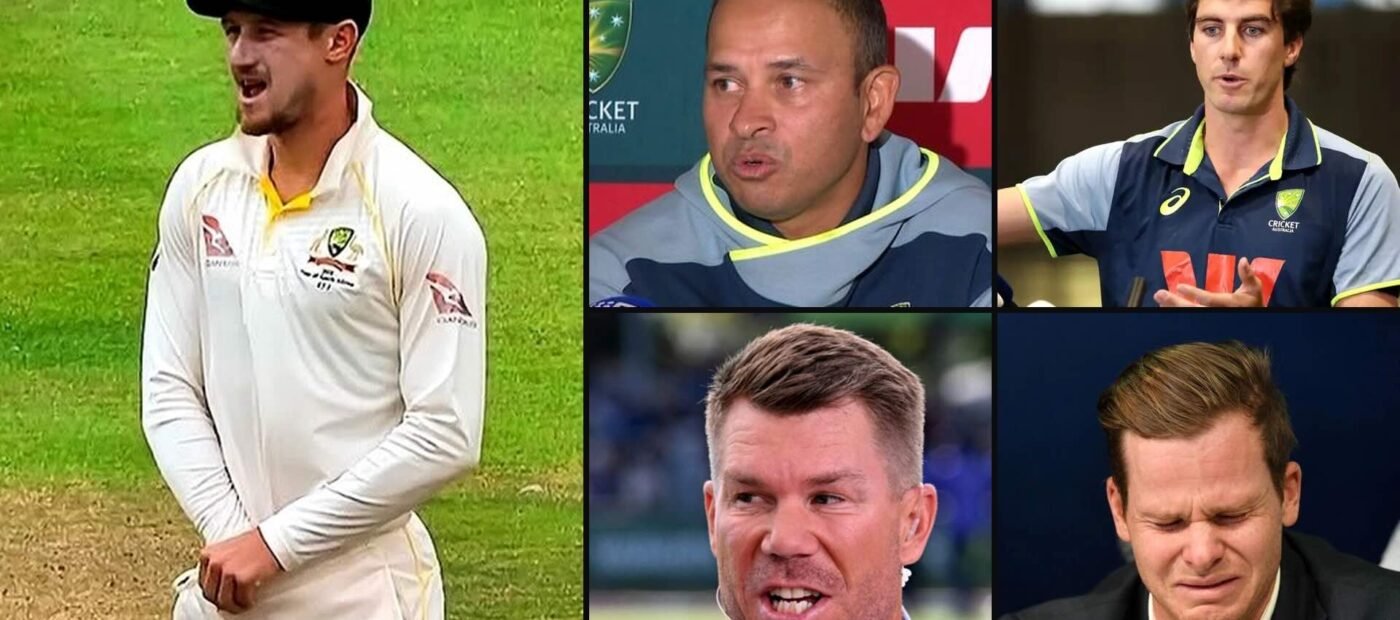
Then the story was tidied away. A hurried Cricket Australia investigation found that only three men knew: captain Steve Smith, his deputy David Warner, and opener Cameron Bancroft. Smith and Warner were banned for 12 months, Bancroft for nine. They were sent home in disgrace and became the face of a nation’s shame.
Coach Darren Lehmann resigned, and a review of team culture followed. Cricket Australia will point to all of this as proof that it buried nothing. Yet no one else in that dressing room was ever held to account. CA had its three names, and it hoped the rest would stay buried forever.
The silence breaks
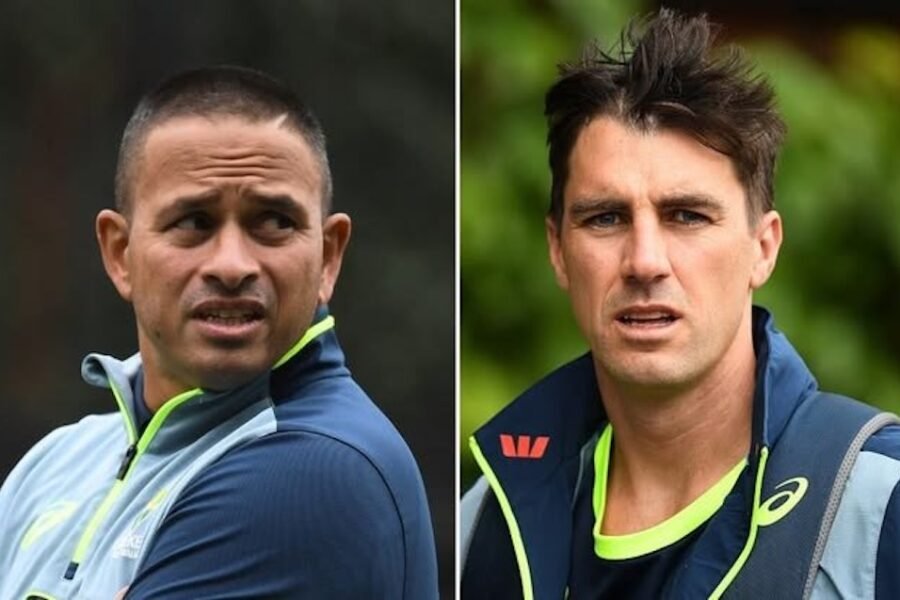
It did not stay buried. In his memoir Sabr, former Test opener Usman Khawaja writes that the whole team knew, and that sandpaper had already been used in the previous Test at Gqeberha, then Port Elizabeth. Pat Cummins, now Australia’s captain, said Khawaja was “100 per cent wrong”. Warner backed Khawaja and accused Cummins of throwing him under the bus. Former Test bowler Chadd Sayers said he too believed the entire side knew.
Then Bancroft spoke. After eight years of silence, in a 4,000-word statement in The West Australian, he admitted he had withheld the full truth from the original investigation to protect others. His words: “we all knew”.
Cummins, Mitchell Starc, Josh Hazlewood and Nathan Lyon continue to deny any knowledge, and Cricket Australia stands by its findings. Khawaja himself has acknowledged that he warned Bancroft to be careful with the sandpaper, a detail his critics have been quick to seize on. He deserves credit for saying so. A whistleblower who admits his own part is more credible, not less.
Why we believe them
We believe them, and the reason is the ball itself. Fast bowlers live with that ball. They polish it, inspect it and obsess over its seam and shine between every delivery. That a deliberately roughened ball could pass unnoticed through the hands of one of the finest attacks in world cricket strains belief. To accept CA’s version, we must accept that elite bowlers could not read the one object on which their careers depend.
How privilege works
Sandpapergate was never about three bad apples. It is about an institution that found three scapegoats, closed the file and waited for us to forget. This is how privilege works. It does not look inward, it does not answer for itself, and it is always certain the story will be told on its own terms.
The scale is in no way comparable, but the reflex is familiar to anyone who knows history. Two centuries of colonial rule drained India, once among the world’s richest lands. Apartheid, slavery and settler-colonial dispossession, on this continent and in Palestine, have each been met with the same institutional instinct: deny, delay, and prefer silence to a reckoning.
Will there be consequences?
We doubt it. Cricket now has a new imperial centre in India, whose board commands the lion’s share of the game’s money and influence. Australia is too valuable to that multi-billion-dollar machine to be made to pay a heavy price. Everyone with a stake in the business of cricket has a reason to let this fade.
Fans have no such reason. We give this game our money, our time and our loyalty. The truth has come out because players chose to tell it, not because the institution went looking for it. Former captain Michael Clarke has called for a fresh inquiry, and he is right. Cricket Australia should do now what it failed to do in 2018: commission a genuinely independent investigation, with access to every player and official from that tour, and publish its findings in full.
Until it does, every Test it sells us comes with an asterisk.