Rachna Shroff helped turn research into treatment options for people with bile duct and pancreatic cancers. The University of Arizona College of Medicine, where she led clinical investigations, has announced her death. The American Society of Clinical Oncology published its memorial on 13 October 2026.
Her work joined three parts of cancer medicine: laboratory research, clinical trials and the care offered to patients in the clinic. At the University of Arizona, she expanded clinical trial access in Southern Arizona and built the centre’s gastrointestinal oncology programme. Her colleagues say the research award she helped establish shortly before her death is intended to support the next generation of biliary cancer investigators.
Who was Rachna Shroff?
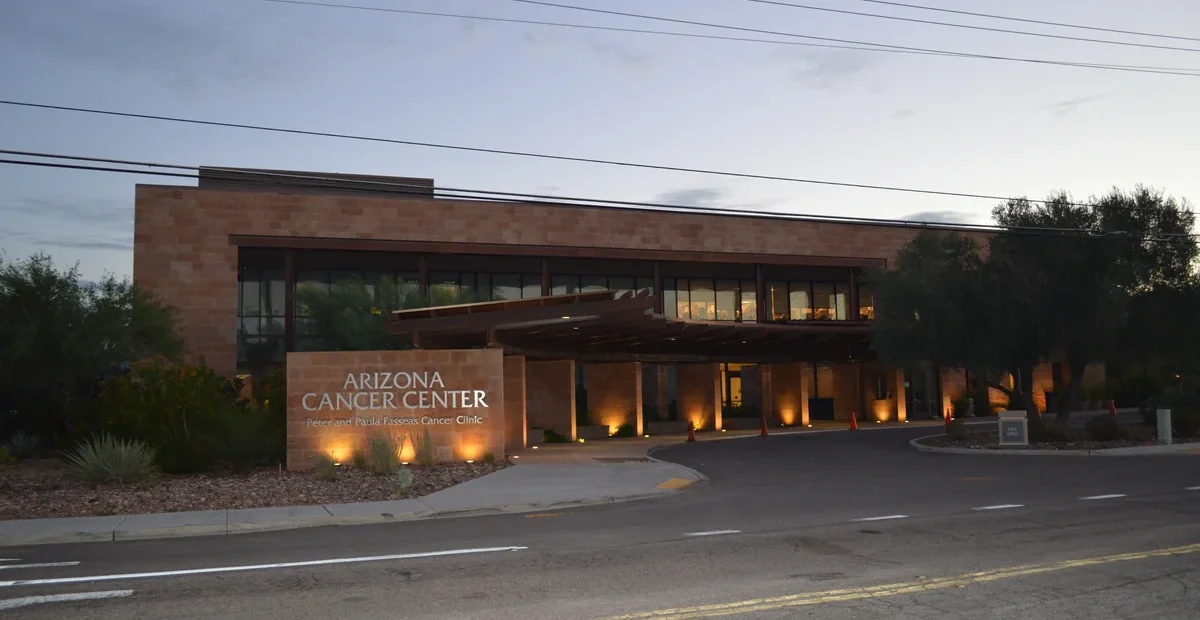
Rachna T. Shroff was a physician-scientist specialising in gastrointestinal cancers, including cholangiocarcinoma, the medical name for bile duct cancer. At the time of her death she was associate director of clinical investigations at the University of Arizona Cancer Center and chief of the Division of Hematology and Oncology at the university’s College of Medicine in Tucson.
She also held the John F. and Valli S. Duval Endowed Professorship for Gastrointestinal Oncology and had served as associate dean for clinical and translational research. The university said she authored more than 80 publications and spoke at more than 130 professional engagements. Those roles placed her across research, academic leadership and the development of clinical trials.
What is cholangiocarcinoma?
A rare cancer that forms in the bile ducts, the small tubes that carry bile from the liver and gallbladder towards the small intestine. It is also called bile duct cancer. The disease can begin inside the liver or in ducts outside it, so the term covers several related cancers.
The National Cancer Institute describes cholangiocarcinoma as a rare cancer that forms in the bile ducts. Its location and biology affect how clinicians classify and treat it. Shroff’s research focused on biliary cancers as well as pancreatic cancer, areas where she helped test new treatment approaches.
How did her career connect research with patient care?
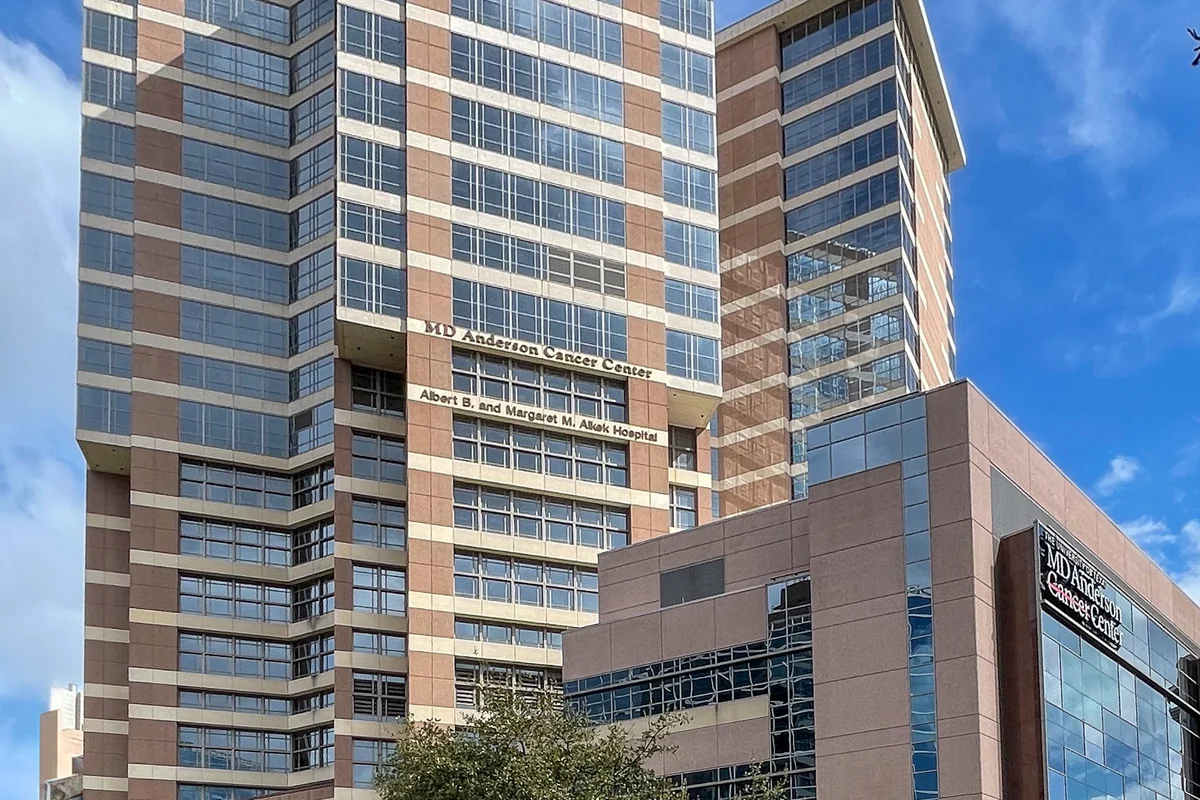
Shroff’s route through medicine began in Tucson. As a high-school student in 1993, she won the Osler Fellowship and worked in a University of Arizona Cancer Center laboratory. She completed her undergraduate education at Brown University, earned her medical degree from Thomas Jefferson University and completed a medical oncology fellowship at the University of Texas MD Anderson Cancer Center in 2010.

She stayed at MD Anderson as a faculty member until 2018, then returned to Arizona. The University of Arizona says she led clinical trials as a principal investigator and worked to bring those studies to patients across Southern Arizona. A clinical trial tests a treatment or care approach in people under a defined research protocol. For patients with rare cancers, trial access can matter when established treatment options are limited.
Her institutional roles were not only titles. As associate director of clinical investigations, she helped shape the research programme; as division chief, she led a clinical academic department. The American Society of Clinical Oncology also records her service on its committees and as chair of the 2024 GI Cancers Symposium. These activities connected local patient care with research networks that operate across hospitals and universities.
What did she contribute to bile duct cancer research?
Bile duct cancer is uncommon and difficult to treat. The National Cancer Institute notes that the disease includes cancers arising in different parts of the biliary system. Because patients can have different tumour locations and disease features, clinical studies are needed to test which treatments work for particular groups. The career of Indian-origin oncologist Dr Tony Dhillon also illustrates the contribution of diaspora doctors to clinical research.
The University of Arizona credits Shroff with leading landmark trials that helped move the field beyond a period when few treatment options were available. Her published work included clinical research on biliary and pancreatic cancers. The university’s memorial says she worked on immunological therapies and novel drug treatments, while expanding trials in Southern Arizona.
Her research record includes studies that tested an encouraging idea and found that it did not improve outcomes overall. Those results help clinicians distinguish a promising early observation from evidence strong enough to support a treatment change.
Biliary tract cancer is a broader category than bile duct cancer alone. S1815 included gallbladder cancers as well as cancers arising inside and outside the liver’s bile ducts. Its results therefore need to be read against the study population, rather than applied automatically to every diagnosis.
What did the trial led by Rachna Shroff find?
The phase III SWOG S1815 trial found that adding nab-paclitaxel to gemcitabine and cisplatin did not significantly improve overall survival for patients with newly diagnosed advanced biliary tract cancer. Shroff was the lead author of the study, whose final paper appeared in the Journal of Clinical Oncology on 10 February 2025. This is a dated research result, rather than a new treatment announcement.
The SWOG trial record identifies S1815 as a randomised phase III study and confirms that enrolment closed in February 2021. The published analysis included 441 eligible participants with intrahepatic or extrahepatic cholangiocarcinoma, or gallbladder cancer. The comparison asked whether a three-drug regimen could improve on the established two-drug combination.
| Measure in the 2025 S1815 paper | Three-drug regimen | Two-drug regimen |
|---|---|---|
| Median overall survival | 14.0 months | 13.6 months |
| Median progression-free survival | 7.5 months | 6.3 months |
The authors also reported more toxicity with the three-drug regimen. These group medians do not predict an individual patient’s survival. They describe the people enrolled in this particular study, under its eligibility criteria and treatment protocol. The numerical differences alone are not evidence that one option is better for every patient.
SWOG’s January 2023 account explained why the trial was undertaken: a smaller phase II study had produced encouraging results, creating a reason to test the approach in a larger randomised comparison. The later study did not confirm an overall survival benefit. The sequence shows why larger comparative studies matter when deciding whether an early signal should change routine care.
For a clinician-scientist, reporting a negative finding is part of the work. The research question still receives an answer, and that answer can prevent clinicians from assuming that an additional drug must produce a better result. The S1815 paper also examined differences between cancer subtypes, but exploratory subgroup observations require careful interpretation and do not overturn the overall finding.
What will continue after her death?
In September 2026, while living with a life-limiting cancer, Shroff worked to establish the Conquer Cancer–Rachna Shroff Endowed Young Investigator Award in Biliary Cancers. The University of Arizona said the effort raised more than $1.35 million within weeks. The award is intended to support early-career researchers studying biliary cancers.
The endowment gives her colleagues a way to carry forward a priority she identified herself: building the next generation of cancer researchers. The university and the American Society of Clinical Oncology have published tributes, while the professional society has invited donations to support the award. The terms and future administration of the fund should be checked with Conquer Cancer before prospective donors act.
The award also returns to an early stage in Shroff’s own career. The Association of American Cancer Institutes says she received a Conquer Cancer Young Investigator Award when she was starting out and credited that support with helping her research develop. Her later campaign sought to provide the same kind of opening for scientists working on biliary cancers.
The association reports that more than 600 donors helped the campaign exceed the $1.35 million needed to endow the award. Conquer Cancer’s current memorial page says the fund is intended to support a new researcher each year in perpetuity. That is a specific commitment to recurring research support, rather than a promise that a particular cancer treatment will result from every grant.
Shroff also worked in the association’s clinical research and physician leadership initiatives. That part of her career connected the management of cancer programmes with the practical work of investigators. An early-career award, a trial network and a hospital’s research programme serve different functions, but all can affect whether a research question gets tested.
What does her career mean for patients and families?
Shroff’s career shows why access to clinical research is part of cancer care, particularly for people facing rare diseases. It does not mean every patient is eligible for a trial or that an experimental treatment will work. Patients considering a study should discuss its purpose, risks, alternatives and eligibility with their treating oncology team, and use official trial registries and their cancer centre for current information.
Her death is also a loss for the Indian-American medical community. The route that Indian-trained doctors take to practise in the United States is one part of a broader diaspora story in medicine. Shroff’s own path ran through American universities and cancer centres, with Tucson as both her childhood home and the city to which she returned. She is survived by her husband, Puneet Shroff, their children, her parents and her sister, according to the university.
What can families ask about a clinical trial?
Families can ask their treating team about the research question, the available alternatives, the eligibility criteria and the practical demands of participation. The National Cancer Institute’s patient and caregiver guidance separates trial design, safety, consent and costs into distinct questions. That helps a family assess a specific study rather than treating all experimental care as the same.
Ask which visits, tests and treatments are required by the study, whether any involve travel, and who pays for them. A trial may involve routine care costs as well as research costs, and families should ask the study team and insurer how the proposed arrangement works. A clinical trial’s location and schedule can be as relevant to participation as its scientific aim.
Informed consent is an ongoing conversation about the study’s purpose, procedures, risks and options. The decision to join should be made with an understanding of what is known and what is uncertain. A research protocol cannot promise a benefit to everyone who enrols, and a study record marked closed is not a current recruitment opportunity.
The National Cancer Institute explains that trial safeguards include review of the study protocol and continuing monitoring. Institutional review boards examine whether a proposed study is ethical, legal and adequately designed, and whether risks and safety arrangements are acceptable. Some trials, especially phase III studies, also use independent data and safety monitoring boards.
Participants retain the right to ask questions and to leave a study after signing a consent form. The research team should explain the study in language the participant can understand and provide new information as it becomes available. These protections do not remove every risk of treatment or guarantee that an experimental therapy will work. They establish how the uncertainty is explained and supervised.
NCI’s November 2024 guidance on costs also distinguishes routine patient care from procedures performed only for research. Travel, accommodation and caring responsibilities can add expenses beyond hospital bills. Families can ask whether the trial offers help with these costs and request a clear account of what the sponsor, health plan and participant are expected to cover.
What happens next for the research she supported?
Conquer Cancer says the endowed award will fund a new researcher each year in perpetuity. Its memorial page does not identify the first recipient or a first selection date. The next decisions rest with the foundation’s award programme, while Shroff’s published studies remain part of the evidence that clinicians and researchers use to frame the next questions in biliary cancer care.