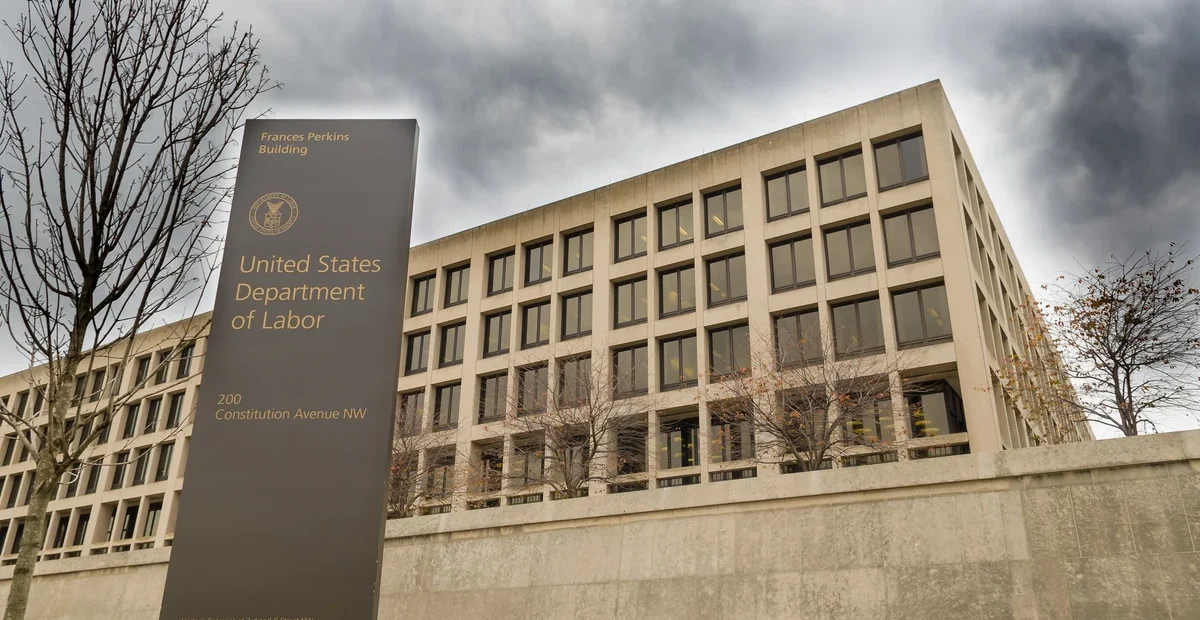
H-1B visa 2026 decisions now turn on a distinction that a fee headline can hide: a federal court has blocked implementation of the $100,000 policy, including the September extension of that policy.
On 30 September 2026, US District Judge Haywood S. Gilliam Jr. issued an injunction in Global Nurse Force v Trump covering agency policies implementing the original proclamation and its extension. The White House had extended the restriction on 18 September, but that announcement did not remove the court barrier.
As checked on 8 October 2026, workers should therefore not treat the $100,000 charge as an unrestricted current demand. Nor should they assume the ruling eliminates ordinary petition fees, grants a visa or resolves every H-1B policy change.
The practical task is to identify which rule affects the actual case: a new overseas hire, an existing worker’s extension, a change of employer, a dismissal or a family’s dependent status.
What is the current H-1B visa 2026 fee position?
The $100,000 proclamation policy is blocked by the current court order, while other applicable H-1B charges continue to require case-specific checking. That distinction matters both to employers budgeting a petition and to workers deciding whether a job offer is viable.
The 30 September court order prevents the relevant agencies from implementing the policies arising from Proclamation 10973 and its extension in Proclamation 11069 until the specified administrative procedures are conducted.
The White House extension set an end date of 21 September 2027. Read that policy document alongside the subsequent litigation, rather than treating its stated duration as proof that collection is currently permitted.
The administration argues the restrictions protect American workers and address programme abuse. Challengers dispute the legal basis and the way the policy was implemented. The practical effect of the injunction is a constraint on implementation, not a final settlement of that wider argument.
Which changes are law, blocked policy or proposals?
Several measures have different legal statuses, so a worker should never combine them into one “new H-1B fee”. The following table separates the main measures relevant to this guide.
| Measure | Status checked on 8 October 2026 | Practical distinction |
|---|---|---|
| $100,000 proclamation policy | Implementation blocked by the 30 September order | Recheck litigation and agency instructions before filing or travelling |
| $103,265 fee proposal | Proposed rule | Do not budget it as an already enacted universal charge |
| Weighted cap selection | Final rule effective 27 February 2026 | Concerns cap selection, not every existing worker’s extension |
| Expanded $4,000 H-1B employer fee | Final rule effective 9 September 2026 for covered employers and petitions | Separate from the proclamation charge |
| Removal of the discretionary 60-day grace period | Proposed on 11 September 2026 | The current regulation must be checked separately |
The $103,265 proposal is a rulemaking proposal, not evidence that every Indian worker owes that sum. Its existence does not cancel or supersede a court ruling by itself.
Keep the document date and the measure’s name in any note to an employer or lawyer. Saying only “the new fee” leaves room for two people to discuss entirely different charges.
What does H-1B status permit, and what does it not establish?
H-1B is a temporary employment classification linked to an approved petition and its conditions. A worker’s permission to remain, ability to work and ability to enter the United States need separate checks.
How is an H-1B visa different from H-1B status?
A visa is a travel document used to seek entry. Status describes the immigration classification and conditions applying to a person’s stay. The petition, visa and admission record perform different functions, so their dates cannot be used interchangeably.
The USCIS H-1B overview is the starting point for programme requirements. For an individual case, collect the petition approval, current admission record, passport and visa before relying on a date quoted in an email.
Check which document the employer’s adviser is discussing when they refer to an “expiry”. A passport renewal, a petition extension and a visa appointment are different events. Completing one does not automatically complete the others.
An employer’s job offer also does not establish that work can begin immediately. Confirm the applicable filing, portability or approval requirements before resigning from the current position or setting a start date.
How does weighted selection affect new applicants?
Weighted selection increases the probability of selection for higher-skilled and higher-paid workers while retaining an opportunity at all wage levels. USCIS says the final rule took effect on 27 February 2026 for the FY2027 cap registration season.
The agency’s selection announcement should be read as an explanation of the cap process. It does not mean an existing H-1B worker has to win a new selection whenever their employer files an extension.
Ask a prospective employer whether the proposed petition is cap-subject, whether a selection is required and which cycle applies. An answer about a different employer or a previous year cannot establish the position of your own petition.
Also distinguish selection from petition approval. A place in the selection process does not remove the need to establish that the employment and applicant satisfy programme requirements. Any recruiter promising an assured outcome should be able to explain the actual legal basis rather than quote a success percentage.
Who is affected by the separate $4,000 employer fee?
The expanded 9-11 Response and Biometric Entry-Exit Fee applies to specified employers with at least 50 employees in the United States where more than half hold H-1B or L-1 status. Its H-1B amount is $4,000, distinct from the blocked proclamation charge.
The final rule published on 10 August 2026 took effect on 9 September. It extends the fee to covered extension petitions, including extensions with the same employer; amendments that do not request an extension are treated differently.
The reader’s first question should therefore be whether the employer and petition meet the rule’s conditions. A company being Indian-owned, an employee being Indian or a business employing technology staff does not alone establish coverage.
Ask for a written breakdown of the proposed petition’s charges and who will pay each one. That allows the employer’s lawyer to distinguish statutory fees, optional services and professional charges without collapsing them into a single unexplained bill.
What happens if you lose your job?
The current regulation still provides a discretionary period of up to 60 consecutive days, or the remaining authorised validity period if shorter, following cessation of qualifying employment. It is not an automatic additional 60 days in every case.
The current text of 8 CFR 214.1 allows the Department of Homeland Security to shorten or eliminate that period. The grace period also does not itself authorise employment.
The 11 September proposal seeks to remove the discretionary period. A proposed rule does not alter the current regulation merely because it has appeared in the Federal Register.
If employment ends, obtain the termination date in writing and contact the immigration adviser immediately. Ask them to calculate the applicable deadline using the actual admission and approval records, rather than simply adding 60 days to the last payslip.
Keep the family’s circumstances in the same review. A principal worker’s problem can affect dependent family members, but their applications and documents still require individual checking. Do not assume an application receipt automatically gives every person permission to work.
Can you change employers while a petition is pending?
An eligible worker may have a portability route, but its conditions must be confirmed for the individual case before work begins. The employer change should be reviewed through USCIS guidance and the current immigration records.
USCIS’ guidance on options after employment ends describes possible routes, including a new employer petition, a change of status and departure. These are options to assess, rather than interchangeable permissions.
Ask the new employer’s adviser to confirm whether filing is sufficient in your circumstances, what happens if the petition is rejected or denied, and whether travel during the process changes the analysis. Record the answer before choosing a resignation or joining date.
If a recruiter suggests unpaid work while paperwork is arranged, ask specifically whether that activity is authorised. Labelling work as training, volunteering or a trial does not establish immigration permission.
What employment rights should workers check?
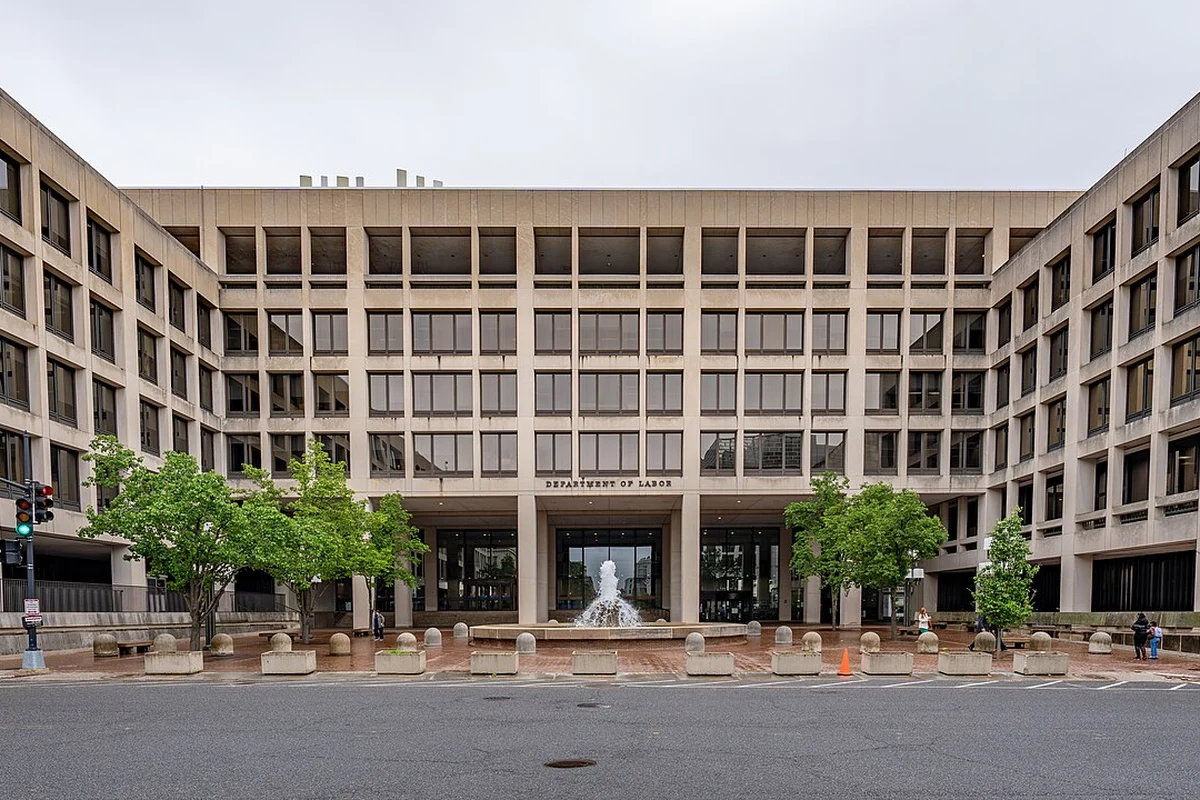
H-1B employers must meet wage and other labour obligations; immigration sponsorship does not remove those duties. The Department of Labor says the required wage is the actual wage paid to comparable workers or the relevant prevailing wage, whichever is higher.
Its H-1B worker guidance explains wages, benefits and prohibited practices. Retain the offer, payslips, work-location information and any messages about deductions or periods without assigned work.
The department’s pay-deduction fact sheet distinguishes permitted deductions from charges that cannot be shifted to a worker. Employer business expenses cannot be used to reduce pay below the required wage, and specified statutory fee restrictions also apply.
Do not accept a demand to repay “all visa costs” without a breakdown and a review of the legal rules. A contract provision and a lawful deduction are not necessarily the same thing. Equally, do not assume every expense connected with travel or immigration falls under the same prohibition.
For employment ending before the authorised period, the Labor Department’s termination guidance explains notification and return-transportation obligations. Ask the employer to clarify those arrangements in writing alongside the final pay calculation.
What should Indian workers and families prepare before travel?
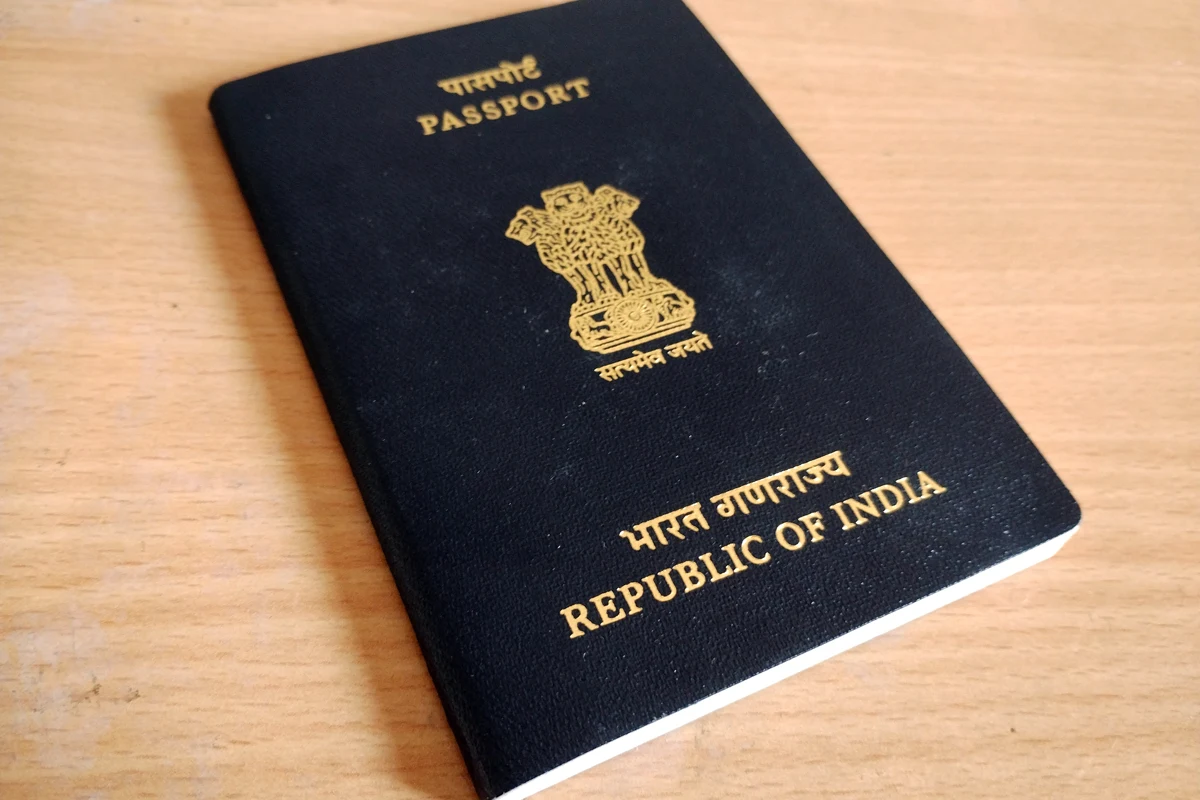
Prepare an individual document and deadline check before leaving the United States, especially if employment or petition details have changed. The current fee litigation is only one part of the travel decision.
Ask whether the existing visa is usable, whether a new appointment is needed and whether the petition or admission record creates a deadline before the planned return. Keep the employer’s current contact details and an accessible copy of the approved employment documents.
For a spouse, confirm the actual dependent status and any employment authorisation before relying on expected household income. An H-4 classification should not be treated as a universal permission to work.
For longer-term planning, the State Department’s October 2026 Visa Bulletin provides category-specific immigrant visa information. H-1B approval alone does not settle a green card timetable. Read the appropriate category and chargeability rules with the adviser handling that case.
The visa hub covers related immigration decisions, while the business hub covers cross-border financial issues that may accompany a job move.
Where should you recheck before making the next decision?
Use USCIS for petition and status requirements, the Department of Labor for employment protections and the current court record for the blocked proclamation policy. This guide explains the position checked on 8 October 2026; an employer’s immigration lawyer should review the individual records before a filing, resignation or journey.
The next developments are litigation, any final rules following the fee and grace-period proposals, and new agency filing instructions. Recheck those documents when the actual decision arises, because an older headline cannot establish the rule on the filing date.


.jpg)