The Asian Artists’ Fund has NZ$700,000 available in 2026, but its application window has already closed. Foundation North says this is the final year of the fund in its current form, with decisions due on 20 November. For an Indian-origin artist, the immediate question is therefore whether an existing application meets the published rules, rather than how to submit a new one today.
The fund supports Asian artists and creative practitioners connected to Auckland and Northland. Asian identity is one part of eligibility, not the complete test. Where the artist works, where the project benefits people, citizenship or permanent residence, the proposed activity and previous funding can all affect the answer.
The position below reflects the fund’s published 2026 information checked on 14 October 2026. It distinguishes this year’s closed round from the scheme’s earlier iterations. The final-year wording does not establish that every form of support for Asian artists will end, or that a replacement programme has been announced.
Is the Asian Artists’ Fund still open in 2026?
No. The 2026 round opened at 12.01am on 18 August and closed at 11.59pm on 17 September. The Foundation North fund page gives 20 November 2026 as the decision date. An artist reading about the fund in October should not mistake those dates for an invitation to apply now.
A grant announcement and an application invitation are different stages. Applicants who submitted within the window are waiting for assessment. Someone who missed it needs information about other current opportunities, rather than an application prepared against a deadline that has passed. An old article or saved application guide cannot extend the published closing date.
The page describes 2026 as the final year in the fund’s current form. That qualification matters. It explains why this round deserves attention, but it does not confirm the design, partners, budget or timetable of any future support. Until a separate announcement exists, those details cannot be supplied by inference.
Can an Indian-origin artist qualify as an Asian artist?
An Indian-origin artist can consider the Asian identity requirement, but must also meet the fund’s other conditions. The published guidance centres self-identification with Asian whakapapa, or ancestry. It does not require work to take a traditional Asian form or make heritage its central subject.
That distinction allows an artist to assess their practice on its own terms. A contemporary dancer, writer or visual artist should not assume that the work must be recast as a heritage demonstration. Equally, a project involving an Asian theme does not replace the requirement for an eligible Asian applicant.
The fund’s history provides an evidenced connection to Indian artistic practice. Foundation North’s account of the 2023 round explicitly includes Indian classical dance among the practices represented in applications. That is evidence about applications in 2023, not a claim that any particular Indian artist won a 2026 grant.
What does Asian whakapapa mean in this fund?
The fund uses it in its eligibility guidance for artists who identify with Asian ancestry. It is an applicant identity criterion; it does not require every collaborator to be Asian or every artwork to express a prescribed cultural style.
Must an applicant live in Auckland or Northland?
The applicant must be based in Auckland or Northland, or propose a project that directly benefits the region under the published conditions. The 2026 scheme should not be described as a nationwide fund available for work anywhere in New Zealand. Geography is a substantive condition, rather than an administrative detail.
The guidance also requires the applicant or a project partner to be a New Zealand citizen or permanent resident. It should not be simplified into a claim that every member of a collective must hold that status. Conversely, an Indian passport alone does not establish eligibility. A proposed partner’s role and status need to match the actual application.
For a collective, identify the lead applicant, the eligible Asian applicant or applicants and the project partner before interpreting the rules. Non-Asian collaborators can participate. A project can include people with different backgrounds while still needing a clear, eligible applicant structure and a demonstrable regional benefit.
A student can apply for activity separate from coursework and the core curriculum. The distinction is the proposed work, rather than student status alone. A compulsory university assignment should not be relabelled as an independent project to make it fit a fund that excludes core education activity.
What support did the 2026 round offer?
The round offered fellowships, creative project grants, professional development grants and residencies. The amounts below are published funding limits or planned awards. They are not a list of confirmed recipients or a promise that every eligible applicant receives the maximum amount.
| Funding stream | Published 2026 provision | Main distinction |
|---|---|---|
| Creative fellowships | Up to four awards of NZ$60,000 | Mid-career and more experienced artists |
| Creative project grants | Up to 11 grants of up to NZ$35,000 | A defined creative project |
| Professional development grants | Up to four grants of up to NZ$5,000 | Development of the artist’s practice |
| Residencies | NZ$10,000 support for each listed residency | Time and a relationship with a named host |
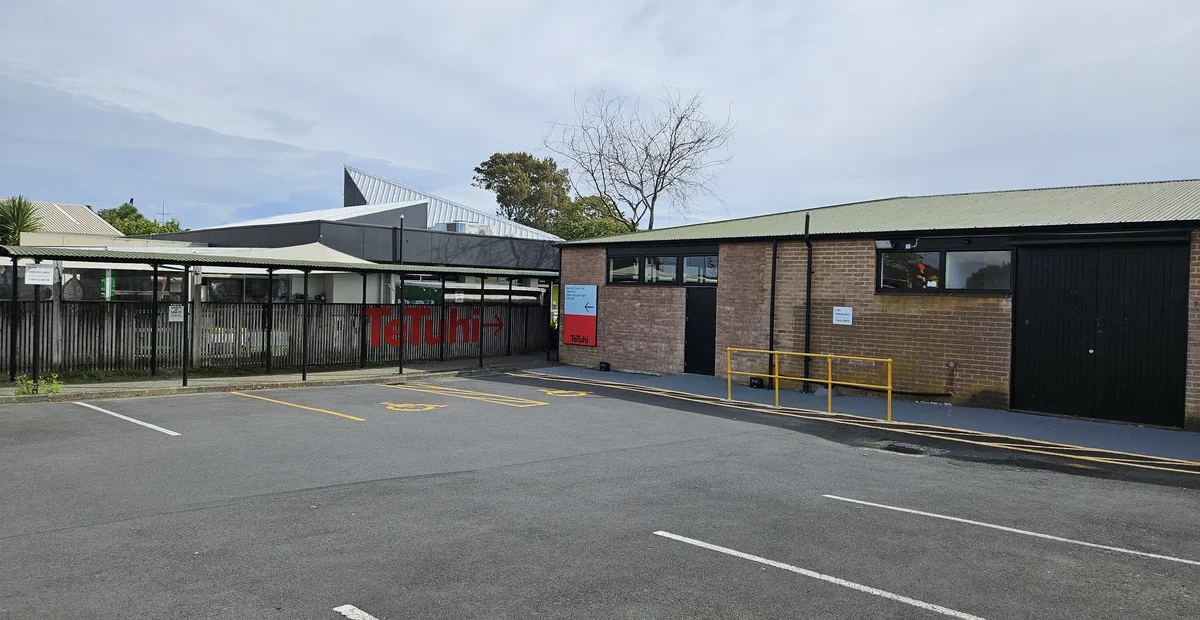
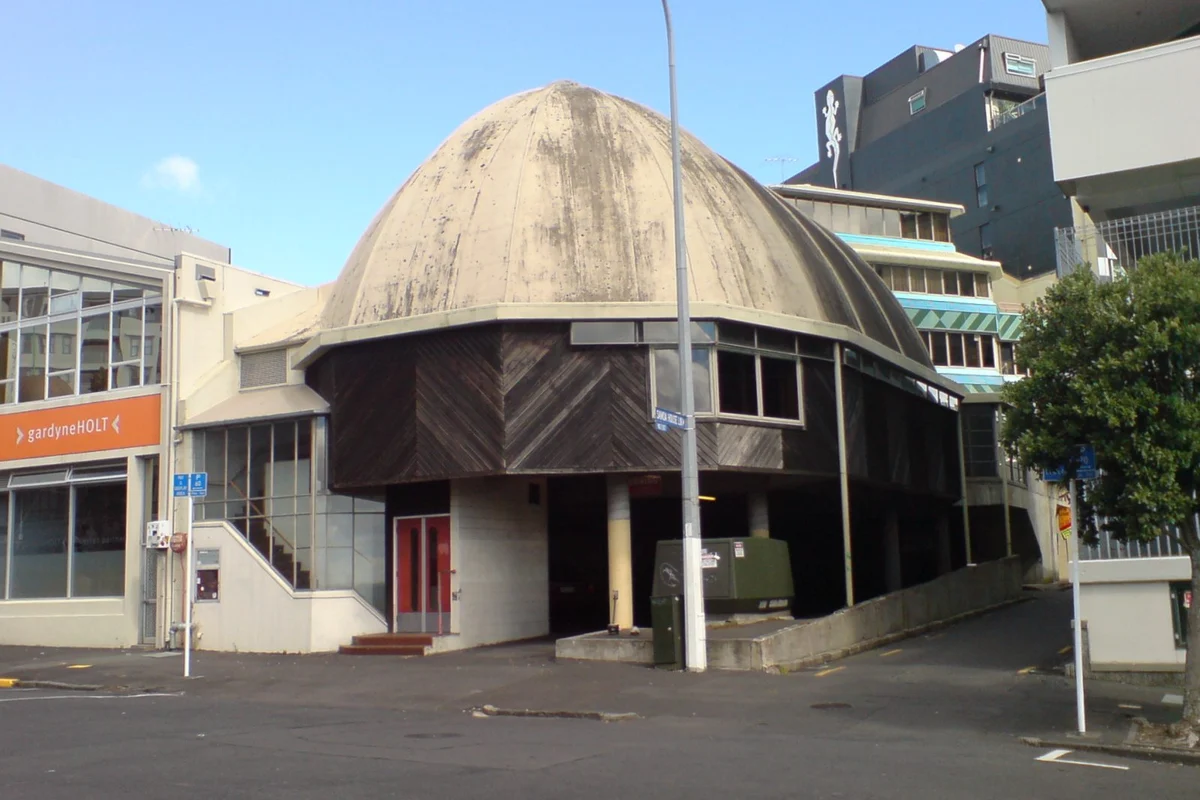
The residency programme includes writing at Samoa House Library, music or sound and dance at Te Oro or an alternative Auckland Council venue, visual arts at Te Tuhi, and a performance residency connected with Silo Theatre. The hosts, durations and arrangements differ. A residency should be read as a specific opportunity, rather than a standard grant with an interchangeable studio attached.
Applicants could submit only one application per person or group. Choosing a stream therefore required a decision about the work’s purpose and the artist’s stage of practice. A project budget cannot automatically be transferred to a fellowship assessment simply because both involve creative activity.
How does the fund distinguish a fellowship from a project?
A fellowship is directed towards mid-career and more experienced artists, while the project stream can consider earlier-career practitioners. The guidance describes career stage through sustained practice, public work and peer recognition, rather than making a particular award the sole measure of achievement.
That distinction matters for an artist who has performed or exhibited consistently without winning a major prize. The application still needs evidence of practice and recognition, but should be assessed against the actual definition. A curriculum vitae listing activities without explaining their place in the artist’s work may not answer the fund’s questions.
Artists who received a Creative New Zealand or Asian Artists’ Fund fellowship in 2025 or 2026 are excluded from this round’s fellowship stream. This is a stream-specific restriction. It should not be rewritten as a blanket statement that anyone with previous arts support is excluded from every form of funding.
The fund also excludes organisations within specified major Creative New Zealand funding programmes. An artist’s project can nevertheless be hosted by such an organisation where the rules permit. The identity of a venue or partner and the identity of the grant applicant are separate matters.
Can an existing project receive funding?
The fund can consider eligible future activity in a project that has already begun, but does not meet retrospective costs. Published guidance requires funded activity to start after the decision on 20 November 2026 and to finish within the following 12 months, before 20 November 2027.
A staged project therefore needs a clear separation between work already completed and the proposed funded phase. An invoice paid before the decision does not become a future cost because the artist includes it in a revised budget. The application must describe the activity and spending for which support is sought.
Co-funding is possible, but the same phase cannot already be funded by Creative New Zealand or the Asian Artists’ Fund under the published conditions. An applicant should show all project income, distinguishing confirmed money from funds still being sought. That lets assessors understand the whole project and identify duplication.
What costs and activities fall outside the rules?
The published exclusions include international travel, academic research and tertiary study, commercial design fields, film and screen development, core education activity and specified capital costs. These boundaries matter even when the artist or project otherwise meets the Asian identity and regional requirements.
An artist should read the activity rather than just the profession against those exclusions. A practitioner working across several media may have one project that fits and another that does not. Calling excluded work professional development does not change its underlying purpose or costs.
The fund prioritises community benefit and fair payment for creative work. It is not designed to create a large commercial profit beyond appropriate pay and project costs. Fair artist fees belong in a realistic budget; unexplained surpluses or missing expenditure make it harder to assess what the requested money would achieve.
The budget should show the full cost of the proposed project, other income and the grant requested. If a project depends on additional funding that has not been confirmed, explain that position rather than presenting the uncertain money as secured. The published budget guidance gives applicants a way to make those dependencies visible.
What does the scheme’s history establish?
The fund began in 2022 to address inequalities in arts funding and developed through successive rounds. Foundation North works with Creative New Zealand and Auckland Council, while Satellites administers the fund. The partners’ roles help explain the combination of grant assessment, regional connection and artist support.
The 2023 account describes more than 60 applications seeking about NZ$1.6 million. Those figures belong to the second iteration, not the current round. They demonstrate historical demand, but cannot establish the number of applicants, success rate or total requests in 2026.
Creative New Zealand’s 2024 announcement records another iteration with its own timing and provision. An applicant using that older material needs the 2026 guide alongside it. Earlier amounts, forms and eligibility descriptions should not silently replace this year’s rules.
What does this mean for an Indian artist waiting for a decision?
Keep the submitted application, the budget, the chosen stream and the confirmation of submission together. Check the regional connection, citizenship or partner condition, start date, completion timetable and any previous funding against the current guide. Those are practical conditions that can affect delivery if support is offered.
The fund says individual feedback is not available for the 2026 round because of capacity, with broader feedback themes planned. An unsuccessful applicant should therefore not be promised a personalised assessment meeting. The published approach sets a limit on what can be expected after the decision.
A successful applicant will receive a funding agreement with conditions and later reporting requirements. Significant changes should be discussed with the fund before the project is altered. Approval of an original plan is not automatic approval of a different activity, timetable or budget.
For context on diaspora creative work, the literature section and culture coverage bring together related writing and artistic practice. They do not replace the fund’s own eligibility and agreement documents.
What happens after 20 November?
Applicants should receive the decisions scheduled for 20 November 2026, then follow the terms of any offer before committing to funded activity. The decision date is the next published milestone. It is not confirmation of the eventual recipients, grant totals or a successor scheme.
An artist who did not apply needs a different next step: check current opportunities with the relevant arts funders and regional organisations. For this programme, the honest position is a closed 2026 round awaiting decisions, in its final year in its current form. Any future arrangement needs its own verified announcement.