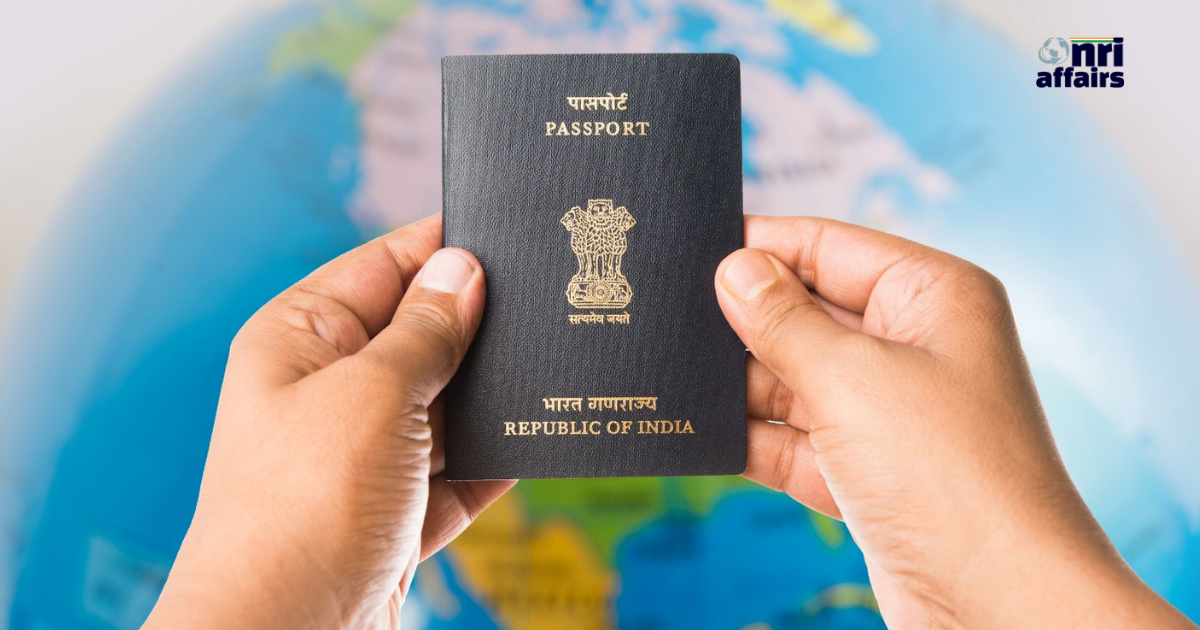
Canada is home to one of the largest Indian diasporas, numbering over 1.8 million people, many of whom are of Punjabi descent. The diplomatic fallout has left this community feeling vulnerable, especially in the wake of increased scrutiny from Canadian authorities and heightened nationalist sentiment in India. For the Indian students, business owners, and professionals in Canada, the uncertainty surrounding visa policies, travel restrictions, and economic partnerships poses significant risks.
Visa and Immigration Uncertainty
The rift between the two nations has led to widespread speculation regarding the future of Indian immigrants in Canada. With Canada being a favored destination for Indian students and skilled workers, any long-term strain in diplomatic ties could lead to stricter visa regulations or a slowdown in immigration processes. Already, there have been reports of delays in processing Indian students’ study permits, potentially jeopardizing their educational and career prospects in Canada.
Social Tensions and Security Concerns
Indian citizens in Canada now face an increasing sense of social tension. Accusations against India have inflamed existing divisions within the Sikh community, with some groups openly criticizing the Indian government, while others remain loyal to their homeland. This division has the potential to spark further unrest and violence, which could prompt local authorities to impose stricter security measures in areas with large Indian populations.
Economic and Geopolitical Consequences
Beyond the immediate human impact, the diplomatic breakdown carries substantial economic and geopolitical ramifications. Canada is one of India’s most significant trading partners, with bilateral trade valued at nearly USD 6 billion annually. The suspension of trade talks and economic agreements could lead to a decline in exports, disruptions in key sectors like agriculture and technology, and a loss of investment opportunities.
Trade and Investment Disruptions
India and Canada have been in discussions for a Comprehensive Economic Partnership Agreement (CEPA) for over a decade. The latest diplomatic fallout has put these talks on indefinite hold. Key industries such as agriculture, where Canada is a major exporter of lentils and pulses to India, may face new trade barriers. In addition, Indian tech companies, many of which have a substantial presence in Canada, could see disruptions in business operations and investment flows.
Geopolitical Repercussions
On the global stage, the India-Canada rift adds complexity to international alliances. Canada’s strong ties with the United States and its role as a member of the G7 and NATO make its diplomatic moves highly consequential. India, on the other hand, is a pivotal player in global affairs, particularly through its influence in the Global South and as a member of key multilateral organizations like the G20 and BRICS. The rift could potentially affect India’s relationships with Western powers and alter the geopolitical dynamics in regions such as the Indo-Pacific.
Rising Influence of Non-State Actors
Another dimension of this conflict is the increasing role of non-state actors, particularly those representing Khalistani separatist movements. While India considers Khalistani supporters as extremists, several organizations in Canada have long advocated for Sikh autonomy and have gained influence in political circles. This adds another layer of complexity to bilateral relations, as India’s concerns about these movements remain unresolved.
The Path Forward: Diplomacy or Stalemate?
The way forward in resolving this diplomatic crisis is far from clear. While diplomatic expulsions and retaliatory measures continue, there remains hope that back-channel negotiations could ease tensions. However, with each country’s government standing firm on their positions, the prospect of a quick resolution appears unlikely.
Diplomatic Solutions on the Horizon?
There have been calls from international organizations and key allies, urging both nations to engage in constructive dialogue. The United Nations and other global entities have stressed the need for a peaceful resolution to avoid further destabilization in South Asia. Meanwhile, countries like the United States and the United Kingdom are also carefully watching the situation, as both have substantial Indian and Canadian expatriate populations and strong economic ties with the two nations.
Long-Term Impact on Global Diplomacy
The India-Canada dispute may have long-term repercussions on how nations handle internal political movements and allegations of foreign interference. Other countries with large diaspora populations may look to this case as a precedent, potentially reevaluating their own diplomatic strategies. The conflict also highlights the delicate balance between maintaining national sovereignty and addressing the concerns of expatriate communities abroad.
As the diplomatic rift between India and Canada deepens, the world watches with bated breath. The immediate future remains uncertain, particularly for the Indian diaspora in Canada, whose lives are now caught in the crossfire of geopolitical tensions. Economically, the stakes are high for both nations, and the global community will be keen to see how this standoff influences broader international relations. Whether through diplomatic resolution or prolonged stalemate, the outcome of this crisis will have lasting effects not only on India and Canada but also on the broader geopolitical landscape.