
Two people on the same UAE-to-India flight can need different immigration paperwork. An Indian citizen travelling on an Indian passport is not in the same position as a relative using a foreign passport and an OCI card. India arrival forms also serve different purposes: the e-Arrival card records immigration information, while Air Suvidha 2.0 is a health declaration.
For an October trip, start with the passport each person will present at check-in. The Indian government’s current visa portal includes foreign nationals and OCI cardholders in its e-Arrival instructions. It separately directs all passengers to complete the health self-declaration before reaching the arrival immigration counters.
That combination makes older travel checklists unreliable. A notice saying Air Suvidha was discontinued in 2022 does not describe the health portal relaunched in June 2026. Nor does an older OCI exemption notice settle the position when the central OCI service’s current guidance says the e-Arrival card is required.
Which India arrival forms apply to your passport?
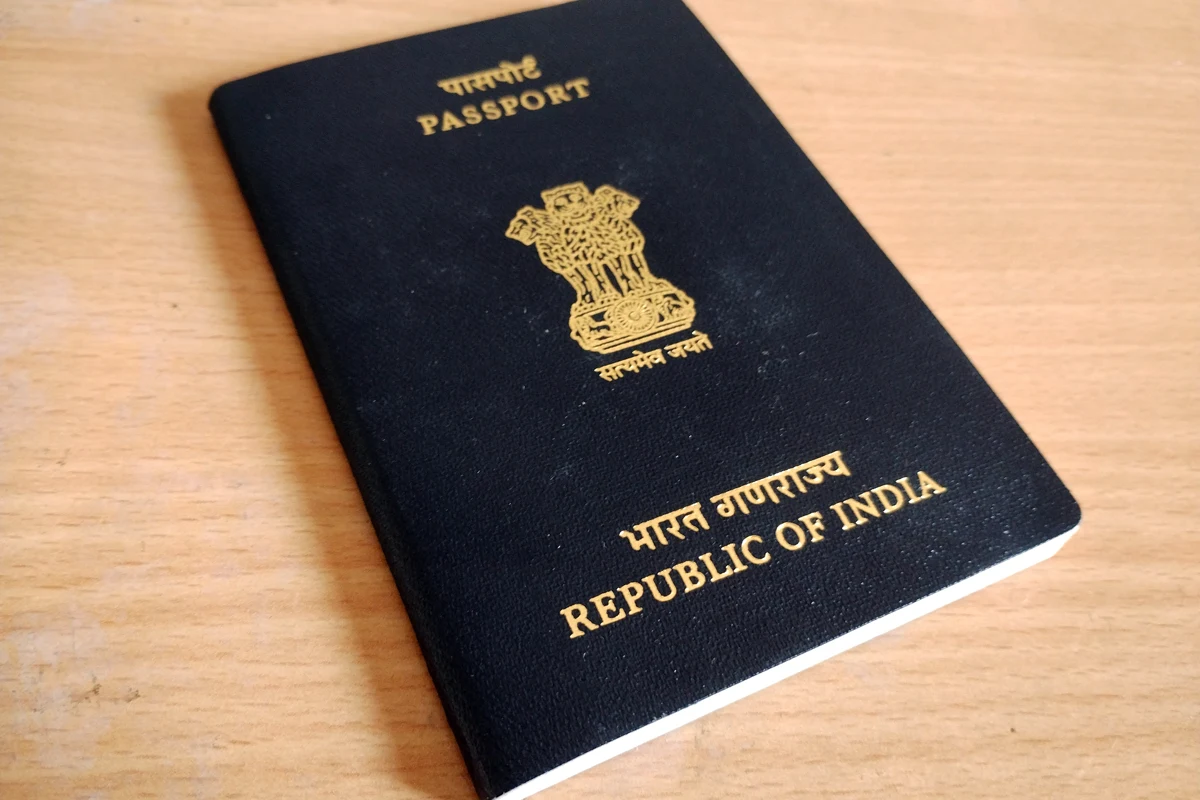
Indian passport holders should distinguish the health declaration from the immigration arrival card for foreign nationals. The current e-Arrival instructions apply to foreigners and OCI cardholders. Air Suvidha’s current all-passenger instruction includes Indian citizens.
A UAE residence visa establishes a traveller’s permission to live in the UAE; it does not make that traveller a UAE citizen or determine their Indian entry category. Similarly, an Indian-origin traveller who has acquired another citizenship should check the foreign-passport and OCI or visa route that actually applies to them.
Families should check every person separately. One adult’s Indian passport does not make the whole booking an Indian-citizen booking for immigration purposes. Conversely, an Indian citizen does not need an Indian visa simply because they have spent several years living abroad.
| Traveller | Entry document to check | e-Arrival card | Air Suvidha 2.0 |
|---|---|---|---|
| Indian citizen using an Indian passport | Valid Indian passport | Current foreign-national instruction does not include Indian citizens | Current advisory applies to all passengers |
| Foreign citizen with OCI | Valid foreign passport and valid OCI documentation | Required under current central OCI guidance | Current advisory applies to all passengers |
| Other foreign citizen | Valid passport and applicable Indian visa or entry permission | Required under current visa portal guidance | Current advisory applies to all passengers |
Does an e-Arrival card replace a visa or OCI?
No. The e-Arrival card supplies arrival information and is not permission to enter India. Completing it does not repair an expired passport, provide an Indian visa or establish OCI status.
The official Indian visa portal directs foreign nationals and OCI cardholders to submit it within 72 hours before arrival in India through the listed government channels. Use the arrival time in India when checking that window, rather than the time you leave home in Dubai or Abu Dhabi.
Copy identity and travel details from the documents and itinerary the traveller will actually use. Check passport number, name, flight and arrival airport before submitting. If the booking changes, consult the portal’s instructions rather than assume the original record still matches the journey.
Keep the acknowledgement available with the rest of the travel documents. A screenshot or downloaded confirmation is easier to retrieve at a desk than a message buried in an email account requiring a fresh sign-in. The entry document remains necessary alongside the arrival information.
Why are there two arrival declarations?
The e-Arrival card concerns immigration information for foreign nationals, including OCI cardholders under current central guidance. Air Suvidha 2.0 concerns health screening. They are separate requirements with different purposes and timing instructions. Completing one should not be treated as proof that the other is complete.
What changed with Air Suvidha 2.0?
India relaunched Air Suvidha as a health-screening portal in June 2026. The Civil Aviation Ministry’s 25 June announcement describes screening linked to Ebola and Bundibugyo virus concerns and a declaration of travel history, exposure and symptoms.
The announcement says arriving international passengers must complete the self-declaration before immigration. It says the form can be completed 24 hours in advance of arrival and asks passengers to complete it before boarding, including during online check-in. Travellers should download the declaration for the health-screening desk and immigration counter.
A direct UAE flight should not be assumed exempt simply because the departure airport is outside the countries associated with an outbreak. The current Indian visa portal uses an all-passenger instruction. Follow the actual questions about travel history and health, answering for the person travelling rather than copying another family member’s declaration.
The existence of the new portal does not establish that old Covid-era testing instructions have returned. Read the current form and official advisory. Do not add a test certificate to the checklist solely because a cached guide described one several years ago.

When should travellers complete the forms?
Plan around the arrival time in India and the current instructions of the government portal and operating airline. The e-Arrival guidance gives a 72-hour window before arrival. The Indian June health announcement describes Air Suvidha completion 24 hours in advance, with completion requested before boarding.
The Indian announcement asks passengers to complete the declaration before boarding, including during online check-in. Its reference to completion 24 hours in advance should not be presented as a universal minimum deadline. Use the live government form and confirm any additional check-in cut-off with the operating airline.
A practical sequence is to gather documents first, complete the e-Arrival card in the applicable window, then complete the health declaration when available and before travel as directed. Keep both confirmations. Do this while you have the itinerary and a reliable connection, rather than waiting for an arrival hall.
Airlines may present document checks within online check-in. An instruction from the carrier should be read alongside the government’s entry requirements. An airline accepting a booking or issuing a boarding pass is not a substitute for the traveller holding the correct passport and permission to enter.
Which e-Arrival guidance should OCI travellers follow?
The current central OCI FAQ says the e-Arrival card is mandatory for foreign nationals, including OCI cardholders. An older embassy notice stating an OCI exemption therefore conflicts with the current central instruction.
For this trip, use the OCI service’s current FAQ and the central visa portal. Save the current instructions with your travel file if you are concerned about different advice appearing in older searches. Do not treat an undated screenshot passed between relatives as a current exemption.
Check the OCI document against the passport being used. Where a passport has been renewed, consult the OCI service’s update requirements for that traveller’s circumstances. The fact that a previous trip was trouble-free does not establish that a new passport’s details or a child’s documents are ready for this journey.
Current guidance also recognises electronic OCI documentation. Confirm how the operating airline wants it presented at check-in, and keep an accessible copy. Do not confuse an application acknowledgement with the granted OCI document itself.
Are customs declarations and baggage allowances separate?
Yes. Customs declarations concern goods and other declarable items brought into India; they do not replace immigration or health forms. The airline’s baggage allowance is another separate check, covering what the ticket allows you to carry.
A bag can meet the airline’s weight allowance and still contain an item that must be declared to customs. Equally, a customs allowance does not give a traveller extra airline baggage weight. Check cabin baggage, checked baggage and any special items against the operating carrier’s rules and the fare purchased.
The Central Board of Indirect Taxes and Customs traveller page is the starting point for current Indian baggage and declaration guidance. Use the current rules for your circumstances, rather than copying an old rupee allowance for jewellery or a generic family allowance from a travel blog.
If a declaration is required, complete the appropriate customs process and choose the appropriate channel at arrival. A completed Air Suvidha record is about health; it cannot establish that goods in a suitcase are duty-free.

What should a family check before leaving for the airport?
Give each traveller a document checklist built from their own nationality and entry status. Confirm passport, OCI or visa where applicable, booking and arrival airport first. Then check the e-Arrival and health confirmations for that person.
For children, verify names against their own passports and entry documents. For a parent travelling separately, make sure confirmations are accessible to that parent rather than only on the phone of a relative who will stay in the UAE. Keep the information consistent with the documents presented at the airline desk.
Check the operating airline’s latest flight information and the terminal on the itinerary. Travel guides can describe proposed airport changes without proving that a particular flight has moved. The booking and current carrier instructions are more useful for deciding where to go on departure day.
If a form will not accept a flight detail or a changed itinerary, retain the error information and contact the airline or the official portal’s help route. Do not buy an unrelated visa or use a paid third-party form merely because it appears first in search results.
What should travellers recheck on departure day?
Recheck the official entry and health instructions, the flight status and the documents saved for each person. Requirements can change between booking a holiday and taking the flight, especially where a health declaration is tied to an outbreak response.
The June Air Suvidha announcement explains the current health portal’s purpose. Related travel coverage and visa guidance can help organise wider trip planning, but the live government portal and operating airline should settle the final document check. For the October journey, the useful next step is to prepare one complete travel file per passenger before online check-in opens.
These official instructions were checked on 8 October 2026. Recheck the Indian visa portal, the Ministry of Home Affairs OCI service and Air Suvidha before departure, using the passport and entry status of each passenger.