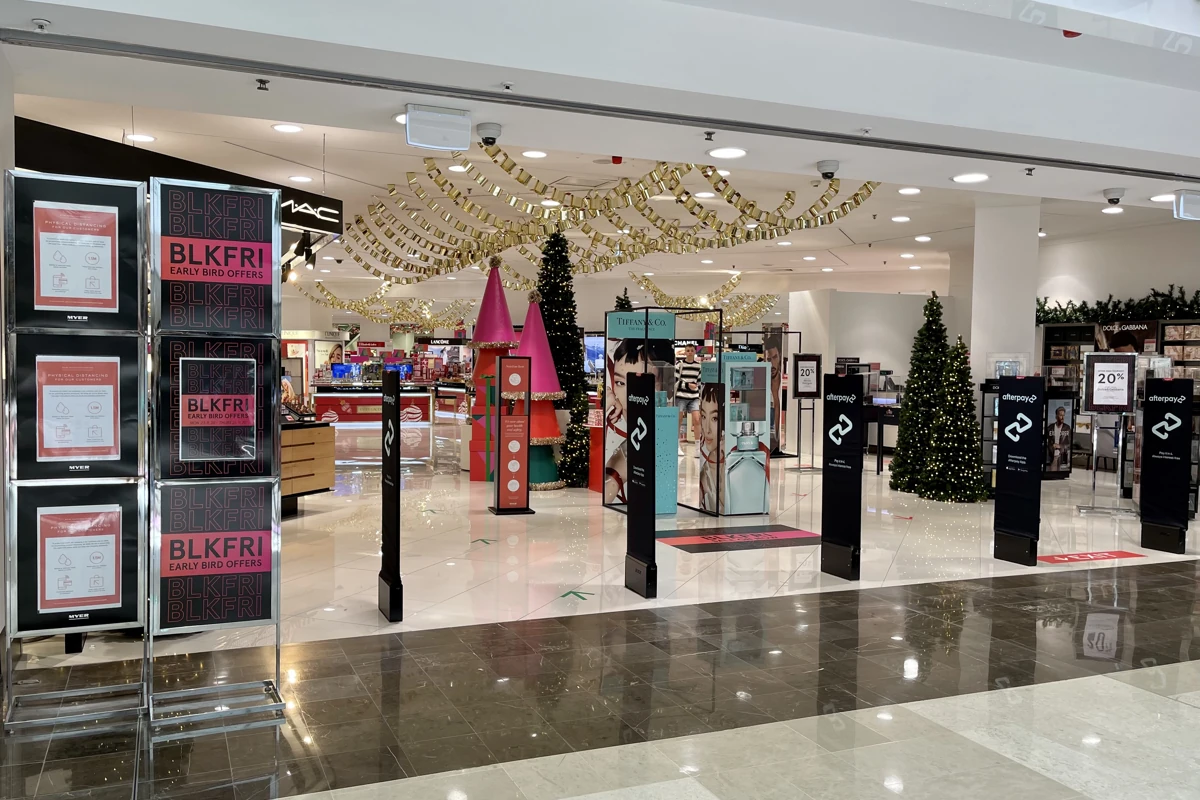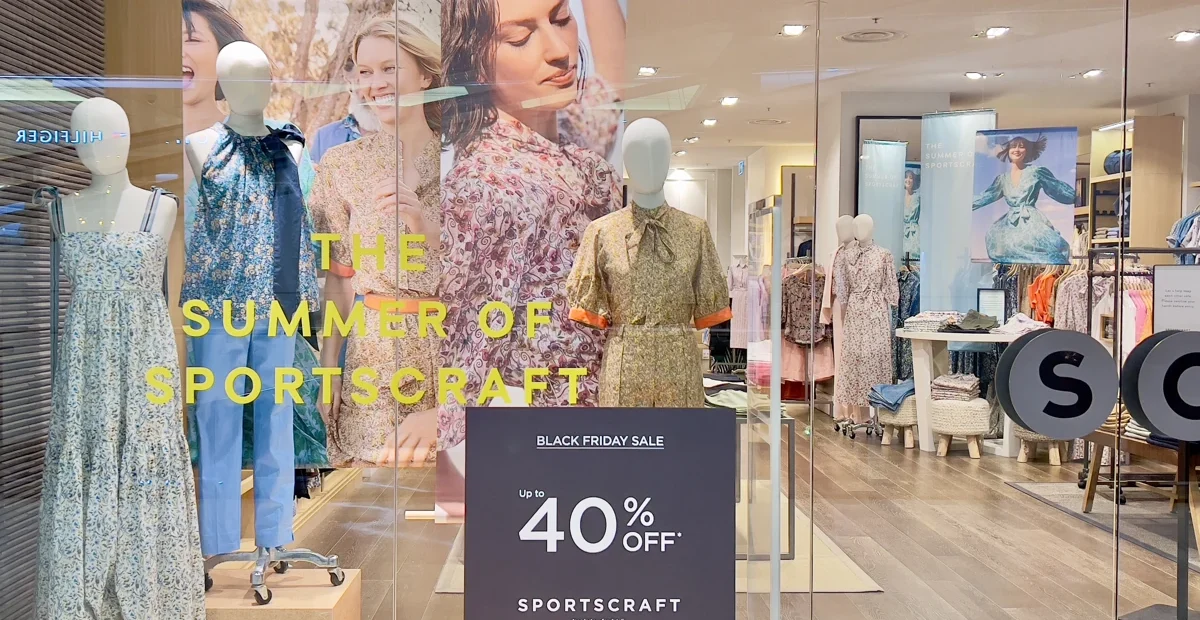
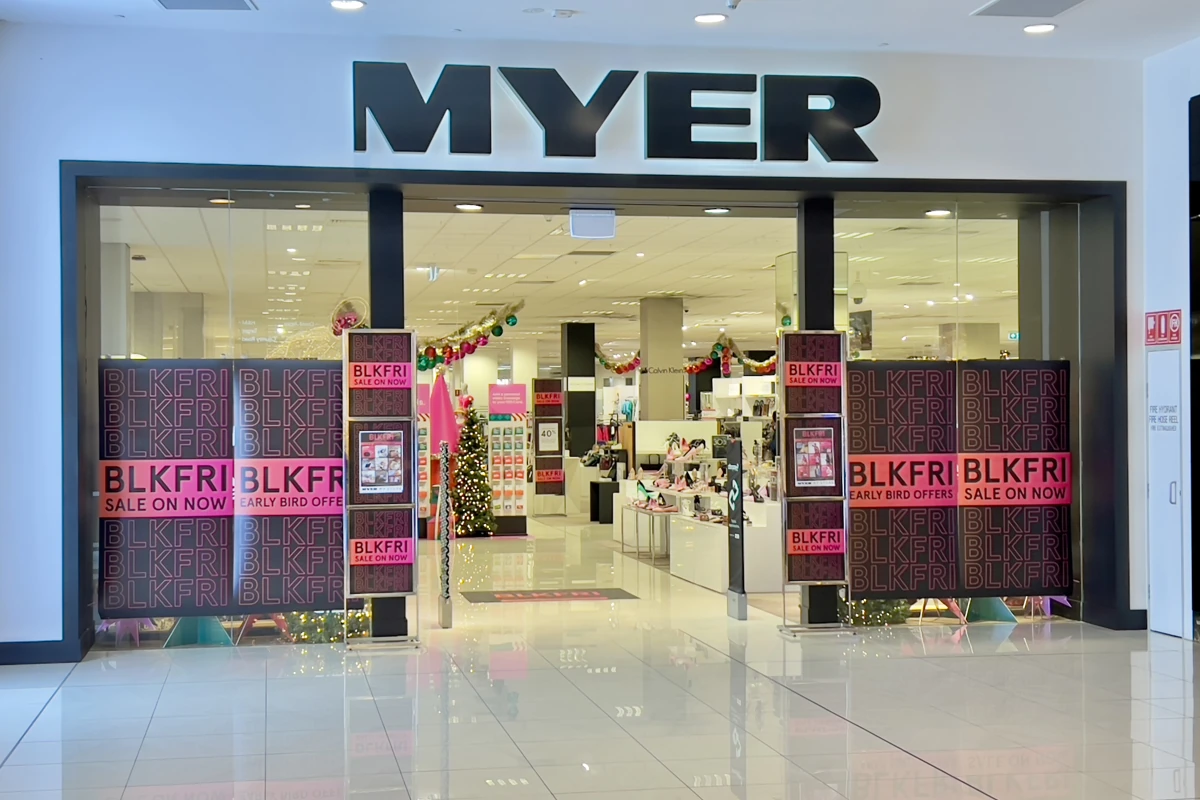
A promotion can claim to cover an entire shop even though the item you want is excluded. The Australian Competition and Consumer Commission warned retailers on 10 November 2026 that advertisements for Black Friday sales must give shoppers an accurate picture of what is on offer. Its warning also covers claims that a discount is about to end, a promise that can push people into buying sooner than they planned.
The main Black Friday date this year is 27 November, followed by Cyber Monday on 30 November. Some sales start earlier. The date on a retailer’s banner and the date on the calendar answer different questions. The useful check is whether the deal applies to the exact item you would buy and whether the price at checkout beats the alternatives.
Which Black Friday sales deserve a closer look?
Read the conditions closely when a promotion uses broad language such as storewide or suggests you must act within a short window. The ACCC’s Black Friday warning says retailers risk misleading consumers if the headline impression of a deal differs from the offer they actually make. A footnote may leave the headline impression intact, especially when shoppers need to click away to discover a significant exclusion.

Check which brands, ranges or models are included, and whether a code or membership is required. If a retailer claims an offer closes at a particular time, record the date and terms if those details affect your decision. An extension can be genuine, but a countdown alone tells you little about the value of the item. Check a second seller before paying, particularly when the promotion appears to leave you only a few minutes.
What is a reference price?
It is the figure the retailer compares with the sale price, for example a previous selling price or a recommended retail price. Check what the reference actually represents and what other retailers charge for the same item now.
How do you compare the price of the exact item?
Compare the final delivered cost by matching the model number, capacity, condition and included accessories. Two products can look identical in a photograph while one is refurbished, comes without an accessory or carries different return terms. A cheaper offer also loses its advantage if the delivery charge or mandatory extras erase the difference.
| What the page shows | What to check before paying |
|---|---|
| A crossed-out price | Identify what the higher figure represents and compare recent prices for the same model. |
| A discount across the shop | Check the item and brand exclusions before adding anything to the basket. |
| A price for members | Add any membership fee you would have to pay to get it. |
| An urgent countdown | Check the end time and compare the offer away from the countdown. |
| A marketplace listing | Identify the actual seller, delivery terms and return route. |
Keep a screenshot of the offer and the final order confirmation if the comparison influenced the purchase. Leave personal details and payment information out of screenshots intended for a complaint or a public post.
How much does a larger advertised discount tell you?
The percentage alone tells you very little if the two sellers use different starting prices. Suppose one seller advertises 25% off $200 and adds $15 delivery. Another offers the same eligible item for $158 delivered. The first offer comes to $165, making the second $7 cheaper at checkout. This is an illustrative calculation, with no retailer or current offer attached.
Check that the model, condition and warranty match before comparing those totals. Look for a delivery estimate if the item is a gift. If the cheaper listing will arrive too late and you would have to buy a replacement, that affects the decision more than the size of the advertised discount. Record the seller’s promise about delivery if it influences your purchase.
The Australian Bureau of Statistics’ analysis of changes in retail seasonality describes how Black Friday sales grew in Australia and began to affect the timing of retail spending. It is a reminder to compare the date against your own purchase timetable. A retailer’s sales calendar can influence when people shop without determining whether a particular offer is a saving.
How can you tell a dubious promotion from a fake shop?
A misleading claim can appear on a real retailer’s site, while a fake shop can copy a known retailer’s name and photographs and take payment without delivering. Scamwatch’s shopping guidance advises shoppers to check unfamiliar sellers independently. Go to the retailer from a known address or app, especially when the offer arrived by text, through a social advertisement or in a forwarded message.
The Australian Banking Association has also warned shoppers about copied storefronts and social media sellers. Verify the website address and check that you are dealing with the seller you intended to use. If a marketplace seller asks you to leave the platform to pay, retain the conversation and use the marketplace’s own checkout or walk away. A portal logo or padlock does not establish who operates a shop. The same habit of opening a familiar service directly also applies to messages purporting to come from myGov.
What can you do if the offer or purchase goes wrong?
For a real seller, contact the retailer with the order number and describe the discrepancy or fault. The ACCC’s online shopping guidance explains that consumer guarantees apply to goods bought from businesses where Australian Consumer Law applies, including items sold at a discount. A change of mind is different from a faulty or misdescribed product. Check the retailer’s change-of-mind policy and keep evidence of any promise it made. See the guide to seeking a remedy for faulty goods for the next steps.
For a suspected scam, contact your bank promptly using details from your banking app or card, then report the incident to Scamwatch. Save the order email, seller address and payment receipt. For cross-border purchases, the ACCC says overseas businesses directly supplying Australian consumers must follow Australian Consumer Law, but getting a remedy can be harder when the seller is overseas.
What proof of purchase can you use if the receipt is missing?
The retailer can ask for evidence that you bought the item from it. The ACCC’s guidance on proof of purchase says a receipt is one possible form of evidence and a credit or debit card statement can also help. Keep the order confirmation, the payment record and any correspondence identifying the seller, especially when the purchase went through a marketplace.
If the trouble concerns advertised terms, the receipt may establish the transaction while a screenshot helps show what was promised. Save those records together. In an email to the retailer, state the item, the date you bought it, the difference between the offer and the outcome, and what you want the seller to do. Include copies of the relevant records. Keep unrelated personal transactions to yourself.
When a product is faulty, what you can ask for can depend on the nature of the problem. The ACCC’s repair, replacement and refund guide distinguishes a major problem from a minor one. A business generally has the chance to fix a minor problem for free. Where a product has a major problem, it generally has to offer the consumer the choice of a refund or replacement. Describe the fault and how it affects use of the item rather than relying on the fact it was on sale.
How should you compare two sellers on a marketplace?
Start with who would take your money and deal with a return. A listing shown under the name of a large platform can come from an independent seller. Check the seller details, the carrier and the return address before trusting the delivered price. Check whether the listing gives you a clear way to contact the seller and whether any return postage would affect a voluntary change-of-mind return.
If two listings advertise the same percentage off, use the checkout figure and the product details to compare them. A higher reference price can make one listing look better without reducing what the buyer actually pays. The consumer guarantees and return policy answer separate questions if something goes wrong. Read both before choosing between two offers with different sellers.
Before returning a bulky or heavy item, ask the business how it deals with collection. The regulator’s remedies guidance says businesses are responsible for the costs of shipping or collecting faulty items that are large, heavy or hard to remove. Smaller products may follow a different return process. Keep the seller’s response and any transport receipt. The practical question is whether the item is faulty and what arrangements the seller has proposed, rather than how much you saved on Black Friday.
What should you do as the weekend sales begin?
Build a short list of purchases, set a delivered-price limit for each and check the model, seller and final total before entering payment details. If the offer spans Black Friday and Cyber Monday, save a dated screenshot of the terms that applied when you bought. That record matters if the receipt or the item arriving at your door tells a different story.