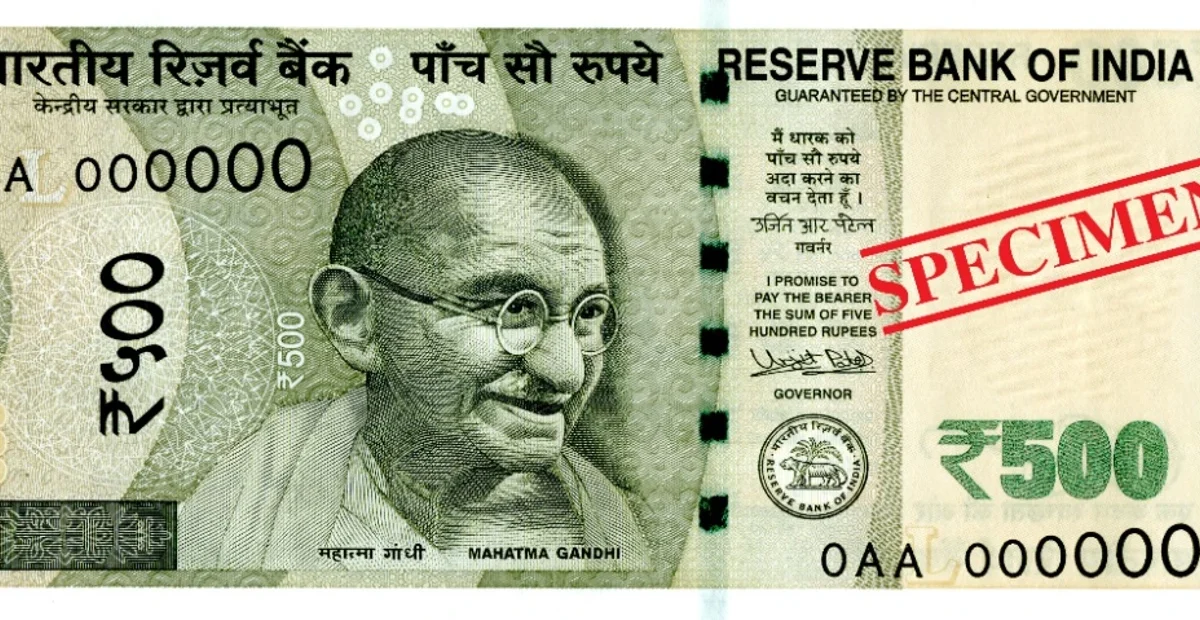
A money transfer with no visible fee can leave your family with fewer rupees than a transfer that charges one. When sending money to India from New Zealand, compare the final amount received against the full New Zealand-dollar cost, rather than choosing the largest advertised exchange rate.
That comparison needs a consistent starting point. If your budget is NZ$1,000, ask each provider what the recipient receives after every fee within that budget, using the same payment method and delivery route. A quote that adds its fee on top is not equivalent to one that includes it.
Provider pages checked on 22 November 2026 illustrate another complication: a welcome exchange rate is not necessarily a repeat-customer rate. A family sending money every month needs to know the price after the first transfer, not only the offer displayed when opening an account.
What should you compare when sending money to India?
Compare the rupees received, the total NZD debited, the delivery conditions and the provider’s complaint process. These answer different questions: value, affordability, timing and recourse if something goes wrong.
The exchange rate and fee should be read together. A low fee can accompany a less favourable rate; a stronger rate can be offset by a larger charge. Receiving-bank or intermediary charges may also matter, depending on the route.
Do not compare a cash-pickup quote with a bank-deposit quote as though the family receives an identical service. Nor should a credit-card-funded transfer be compared casually with one funded from an existing account balance. Ask for the method you will actually use.
The Australian Competition and Consumer Commission’s foreign-currency guidance recommends comparing the amount received. Its Australian registration rules should not be transplanted into New Zealand, but the comparison arithmetic is the same.
What is an exchange-rate margin?
It is the difference between a reference exchange rate and the rate offered for a transaction. It can affect the amount received even where the advertised transfer fee is zero. A reference rate is a comparison tool, not necessarily a rate available to a retail customer.
How can you compare a NZ$1,000 transfer fairly?
Fix the total amount you are prepared to pay, then request quotes close together in time. Record the date, time, funding method, receiving method, recipient amount and any introductory condition.
Here is an illustrative calculation, not a live provider comparison. Suppose Provider A deducts a NZ$5 fee from a NZ$1,000 budget and converts the remaining NZ$995 at ₹50 per NZ$1. The recipient receives ₹49,750. Suppose Provider B charges no separate fee but converts NZ$1,000 at ₹49.50. The recipient receives ₹49,500.
In that hypothetical example, the provider charging a fee delivers ₹250 more. The lesson concerns the method of comparison; neither rate is presented as available today and neither provider is a real business.
| Illustrative quote | Total NZD cost | Amount converted | Illustrative rate | Recipient receives |
|---|---|---|---|---|
| Provider A | NZ$1,000 | NZ$995 after a NZ$5 fee | ₹50 per NZ$1 | ₹49,750 |
| Provider B | NZ$1,000 | NZ$1,000 | ₹49.50 per NZ$1 | ₹49,500 |
If the fee is added instead, a NZ$1,000 transfer plus a NZ$5 fee costs NZ$1,005. Record that full debit. Comparing only the sum labelled “you send” can conceal the different household cost.
Why should first-transfer offers be separated from normal pricing?
Because a promotional quote may apply only to eligible new customers, a limited amount or a particular period. A good first transfer does not establish the cheapest option for an entire year.
The Remitly New Zealand-to-India page advertises a special rate and no fee for the first transfer. Check the eligibility and amount limits displayed with your own quote before relying on it. Do not apply a promotional rate to an amount the offer does not cover.
The Wise New Zealand-to-India page provides a calculator and shows that pricing can depend on how the transfer is funded. Read the actual transaction quote rather than treating a general marketing example as a guaranteed price.
For a monthly family payment, keep two comparison rows: the eligible first transfer and a standard repeat transfer. That lets you distinguish a useful introductory saving from the recurring cost of the service.

Are public website rates enough to name a winner?
No. A defensible ranking needs comparable, usable quotes for the same transaction, including all conditions. Public pages may display indicative rates, welcome offers or estimates before the recipient and funding details are entered.
This guide does not name a cheapest provider. The public quotes available for this check did not establish equivalent standard-customer terms across providers. Rates change, and the relevant price is the one offered before you authorise the transfer.
For your own comparison, save a quote or screenshot immediately before paying, if the service allows it. Record whether the rate is guaranteed, when the guarantee ends and what must happen before that deadline. A saved headline rate without its conditions is weak evidence if the price later changes.
Do not assume that an old comparison remains valid because the fee has not changed. A small movement in the exchange rate can change the result, especially as the amount increases.
How much difference can a small rate change make?
The difference depends on the amount actually converted. For an illustrative NZ$1,000 conversion, a difference of ₹0.10 per NZ$1 changes the rupee amount by ₹100 before any fee differences. For NZ$5,000 it changes the result by ₹500.
That calculation is not a forecast about the New Zealand dollar or a recommendation to wait for a particular exchange rate. It shows why a family should compare the final quote rather than ignore a decimal difference.
Avoid turning a routine remittance into a speculative currency trade. If the money is needed for a fixed payment, the ability to meet that deadline is part of the decision. A theoretically better rate tomorrow does not pay a bill due today.
When comparing repeat transfers, record several actual quotes or completed transactions over time. A single result tells you about one transaction, not which provider will always offer the best value.
What should you check about delivery time?
Check the estimate for the transaction you are making and the conditions attached to it. An advertising statement about typical or fastest transfers is not the same as a promise for every customer and recipient bank.
Funding must reach the provider, required verification must be completed and the receiving route must be available. Bank processing hours, holidays and additional checks can affect the arrival time. Ask whether the stated estimate starts when you create the transfer or when cleared funds reach the provider.
For a medical payment, fee deadline or other time-sensitive expense, allow room for a problem to be resolved. Speak to the intended recipient about when the money must actually be usable, rather than merely marked sent.
Keep the transfer reference and the provider’s instructions. If the family cannot see the credit, ask the provider to trace the transaction through its official support channel before sending the same amount again.
How do you check the provider and complaint route?
Verify the legal business behind the brand, its official website and the applicable dispute-resolution arrangements. New Zealand’s Financial Service Providers Register can help identify a registered entity and its listed services.
The Companies Office explains that registration is not an endorsement or proof that every service is licensed. Match the legal entity and service rather than relying on a screenshot of a registration number supplied by a stranger.
Find the provider’s complaint process before a transfer goes wrong. Establish which entity holds the transaction, where a complaint should be filed and which dispute-resolution scheme applies, if any. A familiar brand can operate through different legal businesses in different countries.
Do not send money to a personal account simply because someone claims to be an agent with a better rate. Use contact details you obtained independently from the official service. Never disclose a password or one-time security code to someone offering to speed up a transfer.

What information should the family verify in India?
Confirm the recipient’s details through a trusted channel before entering them. A message saying that an account has suddenly changed deserves a separate check, particularly if it arrives with pressure to act immediately.
Ask the provider which account details and purpose information are required for the selected route. Follow that provider’s instructions instead of assuming that a previous transfer to another bank used an identical process.
A payment method’s availability does not establish its tax treatment. A transfer to your own account, a family gift and a payment for goods or services can raise different questions. Keep records of the actual purpose and obtain the relevant official or professional guidance where the tax position matters.
This article compares transfer costs, not individual tax liabilities. Our business coverage follows related banking and remittance issues; the Indian-assets home-purchase guide addresses a separate cross-border documentation decision in Australia.
What if the family needs an exact rupee amount?
Compare quotes for the required recipient amount, not only for a fixed sending budget. Paying a ₹50,000 bill asks a different question from deciding how many rupees a NZ$1,000 budget will buy.
Here is a second illustration using invented rates solely to show the calculation. At ₹50 per NZ$1, a ₹50,000 payment requires NZ$1,000 converted. If a NZ$5 fee is added, the total cost is NZ$1,005. At ₹49.50 with no separate fee, the same ₹50,000 requires approximately NZ$1,010.10. Ask the service for its final rounded quote rather than assuming an arithmetic estimate is a bookable price.
Keep the required INR amount fixed across providers. If one quote delivers ₹50,000 and another delivers ₹49,800, the cheaper NZD debit has not funded the same bill. Record any receiving or intermediary deduction that could leave the recipient short.
For a recurring payment, make the recipient amount and deadline explicit in the family plan. An extra transfer to cover a shortfall may introduce another fee and another wait. It is worth resolving the meaning of the quote before the original payment is authorised.

What record should you keep if the payout is disputed?
Keep the quote conditions, payment confirmation, reference number, total debit and the recipient’s actual credit together. These establish what was offered, what you authorised and what the family received.
Check whether a difference is caused by the provider’s conversion, an additional sending-bank charge, a receiving deduction or a change in the agreed amount. Ask the provider to identify the relevant transaction and explain the calculation, rather than opening several unrelated support conversations with inconsistent figures.
Record when the complaint was made and the response received. If it remains unresolved, use the complaint route for the legal entity handling the transfer and check the applicable dispute-resolution scheme. Do not assume that an Australian complaints process applies to a New Zealand service.
An unresolved transfer should not prompt disclosure of passwords, one-time codes or remote access to a supposed refund agent. Return to independently verified provider contact details. The useful evidence is the transaction record, not an unsolicited offer to recover money for another upfront payment.
What should you do before the next transfer?
Make a reusable quote sheet with the total NZD cost, final INR amount, payment method, delivery method, estimated arrival, offer conditions and complaint contact. Complete it for the same amount at the same time with each service you are considering.
Then check the final confirmation screen against that sheet. If the amount, rate, fee or recipient has changed, resolve the difference before authorising payment. Keep the completed transaction receipt and ask the recipient to confirm the amount actually credited.
For a repeat remittance, the next useful comparison is the next standard-customer quote. The strongest saving is one demonstrated by the rupees received and the full cost paid, not by an unqualified promise of “zero fees”.