
An ACS skills assessment can expose a gap that a long IT career does not solve: being able to describe your work is different from being able to prove who paid you, when you worked and what you actually did.
For an Indian professional preparing an Australian migration application, the useful starting point is an employment timeline supported by records from more than one source. A company letter, a bank statement and a government record perform different jobs. One impressive document does not necessarily replace the others.
The Australian Computer Society, or ACS, assesses specified technology occupations. Its current guidance, checked on 22 November 2026, separates evidence of duties from evidence of payment. The practical consequence is straightforward: request missing records while former employers, authorised signatories and banking archives are still accessible.
What does an ACS skills assessment establish?
An ACS skills assessment examines whether qualifications and professional experience meet the requirements of a nominated technology occupation. It is an assessment stage, not a visa grant, a job offer or a promise that every year on a CV will count towards migration points.
Start with the occupation and assessment pathway that fit the work performed. A job title alone is a poor substitute for that exercise. Two people described as software engineers may have substantially different duties, while an internal company title may say little about the technical level of a role.
The ACS experience-evidence guidance sets out how employment is considered. Read it alongside the occupation information rather than assuming that employment in a technology company is automatically assessable technology work.
What is an employment episode?
It is a period of work you ask the assessor to consider. Treat it as a separate evidence file: identify the employer, dates, role, location, duties and supporting payment records. Where one employer involved several roles, show the changes clearly rather than compressing them into a single undated description.
How should you organise an Indian employment history?
Build a chronological record before collecting documents. This is an editorial preparation method, not an extra ACS application requirement: its purpose is to reveal contradictions early.
Use one row for each role or distinct employment period. Record the legal employer, business or trading name, actual work location, start and finish dates, weekly hours and any promotion. Add the name of the organisation that paid the salary if it differs from the client where the work was performed.
A simple example illustrates the issue. Someone might have joined an Indian company, worked at a client office and later transferred to Australia without changing the group’s brand. A CV may present that as continuous employment. The assessment record still needs to explain the relevant employers, locations and dates. Do not assume that a shared logo answers those questions.
Before requesting a reference, compare this timeline with appointment records, payslips and bank statements. Keep appointment records for your own reconciliation, but check what ACS actually asks you to upload. Extra documents do not become acceptable evidence merely because they look official.
What should an employer reference contain?
A reference should document the work, not simply confirm that the company once employed you. The ACS employment-reference requirements specify the information and authorised signatory details it expects.
Ask the employer to use its official letterhead, identify the position and dates precisely, state working hours and remuneration, and explain the duties performed. Where there were promotions or different positions, request separate dated role descriptions within the reference.
The signatory should be traceable through professional contact information. A former manager’s personal recollection may help you find records, but it should not be treated as a replacement for the prescribed employer reference or alternative evidence process.
Describe real work in language the employer can stand behind. ACS warns against duties copied from occupation classifications or another reference. A technically polished list that does not reflect the job creates a problem rather than solving one.

Why are salary records a separate requirement?
Payment evidence supports the claim that employment was paid. It does not, by itself, explain the complexity or content of the role. A reference explains the role, but an employer-issued letter alone does not provide the independent payment trail the assessor requests.
ACS requires different documentary types covering the beginning and end of each employment period, with evidence from outside the employer included. Its payment-evidence page lists acceptable categories and the information they must show.
For an applicant in India, that means checking what a particular bank, tax or provident-fund record actually contains. The document’s familiar name is not enough. Does it identify the applicant and relevant employer? Does it cover the correct dates? Can the payment be connected to the employment being claimed?
| Record | What it can help demonstrate | What to check before relying on it |
|---|---|---|
| Employer reference | Position, dates and actual duties | Required details and an authorised, contactable signatory |
| Payslip | Employer-issued record of remuneration | Applicant, employer, payment period and required salary information |
| Bank statement | Independent trail of salary received | Identifiable employer deposits and matching dates |
| Government or provident-fund record | Independent employment-linked evidence | Required identifying details and relevant period |
| Personal employment timeline | Consistency across the application | It organises the file; it does not replace prescribed evidence |
What if the employer’s name differs between documents?
Explain a genuine discrepancy with evidence instead of silently changing names in your submission. A corporate reorganisation, outsourcing arrangement or payroll entity may explain a difference, but the assessor still needs to understand the connection.
For example, a salary credit may use an abbreviated payroll name while a reference shows the full legal employer. Ask the employer or bank what authentic documentation can establish the relationship. Do not edit the transaction description or rewrite a document yourself.
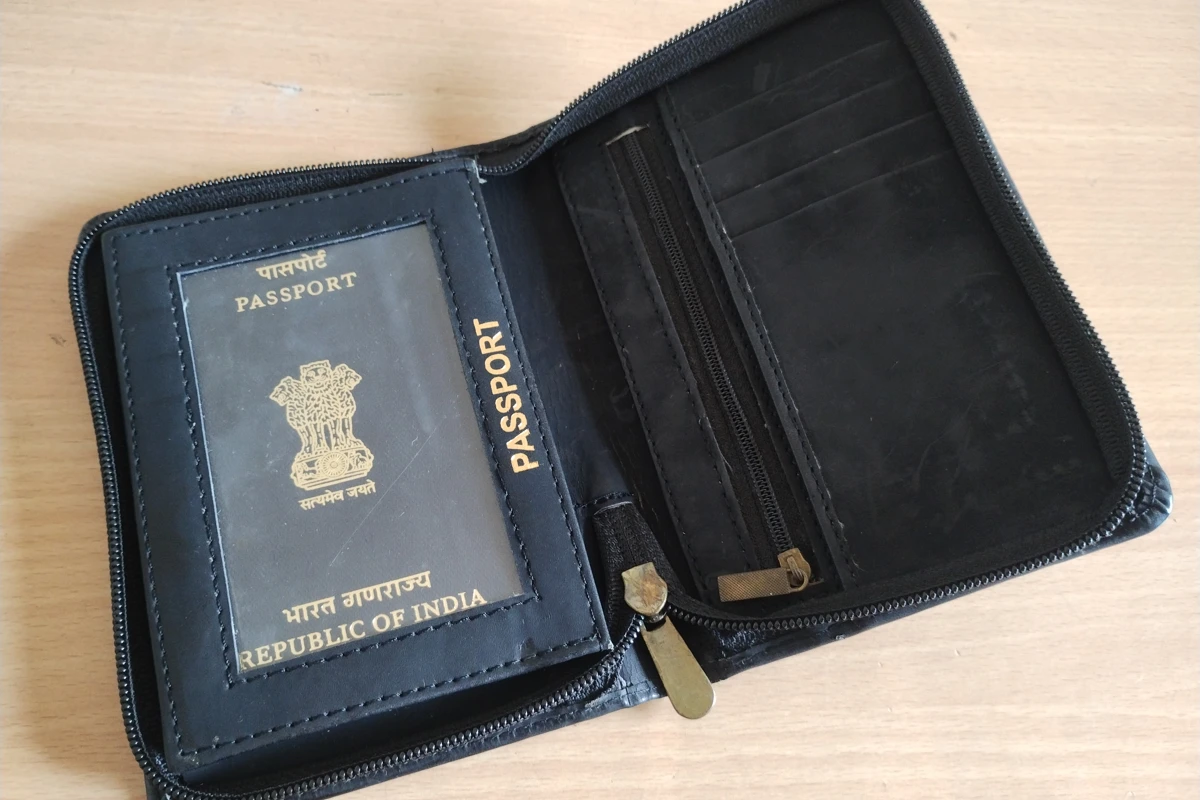
Check your own name as carefully. Initials, expanded names and a changed surname can create an apparently simple mismatch across a passport, qualification and old salary record. Identify the difference before submission and follow the relevant identity-document instructions.
The goal is a coherent record. A short factual explanation attached to verifiable supporting material is more useful than an assertion that the difference is obvious.
What if an old employer will not issue the required letter?
Follow ACS’s stated alternative-evidence procedure rather than inventing a reference or assuming that an offer letter will suffice. Its reference guidance directs applicants who cannot obtain a reference, and self-employed applicants, to statutory-declaration or affidavit requirements.
Check the dedicated requirements before asking anyone to sign. The identity and knowledge of the person making a declaration matter, as do the supporting records. A declaration is not a general permission to claim work that cannot otherwise be substantiated.
Make a practical record of your attempts to contact the employer: the date, official address used and response received. This does not guarantee acceptance, but it helps you explain the problem accurately when seeking guidance.
Do not ask a former colleague to certify duties they did not observe. Equally, do not turn a refusal to provide a detailed reference into a different employment history. Resolve the evidence problem before relying on that period in a migration plan.
How should contractors and people with several roles prepare?
First identify the employment arrangement that actually applied. An employee supplied through an agency, an independent freelancer and the owner of a consulting business do not have interchangeable records.
Use the relevant ACS section for that arrangement. Map the relationship between the payer, contractual employer and host organisation, then check who must supply the reference and what independent payment evidence is required.
For several roles with one employer, build a promotion timeline showing the dates and duties of each position. Avoid attaching a final senior job description to all earlier years of employment. It may make the application look simpler while making its factual account less accurate.
If work periods overlap, flag that overlap before assuming both can be added together. Ask how the relevant assessment rule applies rather than converting simultaneous employment into additional calendar years.
How should documents be prepared for upload?
Use the current formatting and translation instructions for each document type. ACS distinguishes paper originals from electronically issued records, including digitally signed documents. A scan that looks readable on a phone may not meet the required presentation standard.
Open each prepared file on a computer. Check that all pages are present, names and dates remain readable, page edges have not been cut off and the file corresponds to its label. Follow the prescribed handling of digital signatures rather than breaking their verification by recombining files casually.
Keep a secure original set and a separate submission set. Where a document is not in English, use the stated translation process. Never replace the original wording with your own unofficial English rewrite.
This is also a privacy exercise. Employment and bank records contain information that should not be circulated through public forums or sent to strangers offering a guaranteed result. Use official application channels and verify the identity of any adviser before sharing personal records.
What makes an alternative reference file credible?
A genuine inability to obtain an employer reference needs to be documented, not simply asserted. ACS’s statutory-declaration instructions require a company letter or official email explaining why the reference cannot be provided. For the employee alternative, the declaration must come from a colleague in a managerial or supervisory role who witnessed the relevant work; a self-written declaration is not accepted.
That creates two separate preparation tasks. Ask the company for its written explanation, then identify a suitable person who can truthfully describe the work and employment period. A person who joined after you left cannot establish an earlier period through personal observation. Someone who knew only your final role should not certify earlier duties as if they had supervised them.
The declaration also has formal witnessing requirements. Read those instructions before arranging an appointment, and check that the completed document contains the required date, place, signatures and professional details. A signed statement that omits the prescribed information may leave the same evidence gap as the missing reference.
Keep supporting records organised alongside the declaration. A declaration addressing duties does not remove the need to substantiate payment. Conversely, a complete salary history does not give a colleague knowledge of technical work they did not observe.

How can a final reconciliation catch avoidable mistakes?
Read the application as an assessor who has never met you. Take one employment episode and follow it from the entered start date to the reference, then to the relevant payment records. Repeat the check at the end of the period and at every change of role or country.
Suppose the reference says employment ended on 30 June, but a bank statement includes a July credit. That may reflect a normal payroll timetable rather than additional employment. Explain the actual payment period using an authentic record instead of extending the job dates to match the bank-credit date.
Keep a final copy of the submitted file and the confirmation of submission. If a later question arrives, answer it against that same record. This helps prevent a correction to one date or document from creating a new inconsistency elsewhere.
What does this mean for your migration planning?
The immediate task is to close evidence gaps before treating a skills assessment as a completed step. Make a short exception list: missing start-date payment record, reference without duties, unverified signatory, unexplained employer name or incomplete translation.
Resolve those items with the relevant record holder or through ACS’s published guidance. Keep skills assessment, visa eligibility and return-travel rights as separate checks. Our visa and mobility coverage follows those different stages; Australian permanent residents planning travel should also check their return rights before leaving for India.
How should you use this before applying?
Use this guide to organise questions for ACS or a registered migration agent, then recheck the official occupation, pathway and document instructions immediately before submission. Guidance was checked on 22 November 2026; fees and processing estimates have deliberately not been treated as fixed promises.
The next step is a complete, consistent evidence file. Submit only when the employment you claim, the records you upload and the dates you enter tell the same verifiable story.