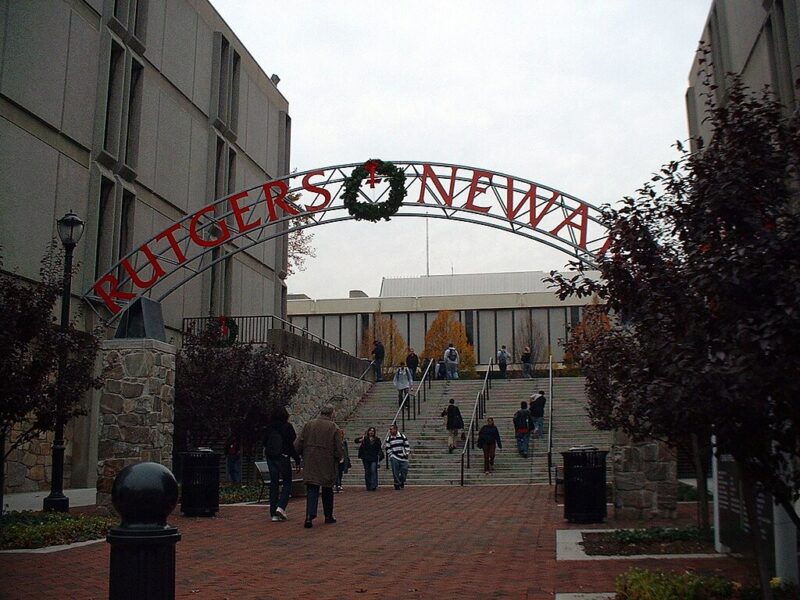
Rutgers University has announced a comprehensive ban on caste-based discrimination across all its campuses, marking a significant step in its ongoing commitment to equity and inclusion. The move follows the recommendations of a Task Force on Caste Discrimination, formed as part of the 2023 agreement with the Rutgers AAUP-AFT union. The initiative makes Rutgers one of the few major U.S. universities to explicitly tackle caste discrimination in higher education.
“Rutgers stands firmly against harassment and discrimination in all forms. This policy reinforces our dedication to fostering a respectful and inclusive academic community,” the university stated in its official response to the task force’s report released on January 13, 2025.
Broadening Protections: Recognising Caste in Existing Policies
The university determined that caste discrimination falls under existing protected classes such as religion, ancestry, national origin, and race. Rutgers clarified that its current Policy Prohibiting Discrimination and Harassment (60.1.12) already safeguards individuals from caste-based discrimination.
- Religion: Caste often ties directly to religious identity and practices, making discrimination against caste an extension of religious bias.
- Ancestry: As caste is inherently linked to inherited social status, it aligns with ancestry-based discrimination.
- National Origin and Race: The nuances of caste intersect with ethnic backgrounds, making it applicable under these protections.
Expanding Efforts: Training, Data Collection, and Reporting
Rutgers is taking proactive measures to implement and communicate these protections. It will:
- Launch training programs: New training modules will address caste awareness, aiming to educate students, staff, and faculty on identifying and preventing caste-based discrimination.
- Enhance reporting mechanisms: The Office of Employment Equity (OEE) has committed to making the reporting process for caste-related incidents clearer and more accessible.
- Include caste in surveys: Future campus climate surveys conducted by the Office of University Equity and Inclusion will now include caste as a category. The data gathered will inform ongoing policy improvements.
“Rutgers University has announced–for the first time in over 250 years of the University’s existence–that caste discrimination is barred on campus. Moreover, Rutgers announced a series of proactive steps to address casteism, including trainings, survey questions, and further communications of our anti-caste policy. It is worth noting that Rutgers announcement of our anti-caste policy is detailed, specifically outlining the intersectional nature of caste and caste discrimination.”, Dr Audrey Truschke, Professor, Department of History at Rutgers University and co-chair of the Caste Task Force, told NRI Affairs.
“This level of attention attests that we are already proceeding toward the goal, as expressed in the Caste Task Force Report, to educate the wider Rutgers community about caste and its harms. We have taken a significant step toward caste equity at Rutgers, and I look forward to building on it for a brighter, more equitable future.”, Dr Truschke added.
Community Impact and Future Directions
The task force’s report highlighted widespread instances of caste-based discrimination at Rutgers, ranging from housing bias to social ostracisation. These findings align with national trends documented in the 2024 report Caste-Based Discrimination in U.S. Higher Education and at Rutgers, which emphasised the need for institutional interventions.
“Caste discrimination remains a hidden yet pervasive issue in many academic spaces,” the report noted. Its recommendations have driven Rutgers to enhance policy clarity and address these challenges head-on.
Joining a Growing Movement in Higher Education
Rutgers’ decision aligns with efforts by universities like Brandeis, Harvard, and California State University, which have already included caste in their anti-discrimination policies. Notably, institutions that explicitly recognise caste discrimination have witnessed increased awareness and reduced incidents of bias, setting benchmarks for others to follow.
A Step Towards Equity
By addressing caste discrimination, Rutgers aims to foster a truly inclusive environment, setting an example for other institutions. The university’s multi-faceted approach, which combines policy enforcement, education, and community dialogue, underscores its role as a leader in promoting social justice in academia.