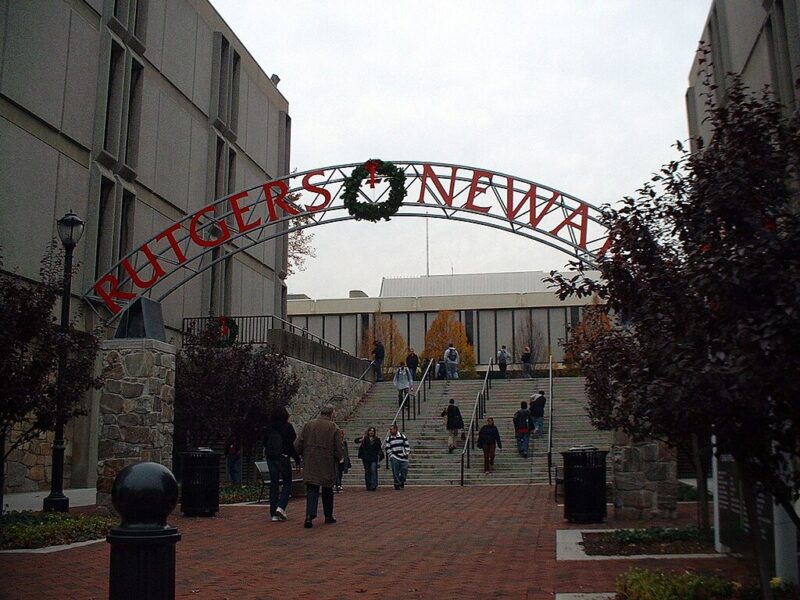
Rutgers Decision on Caste Draws Both Praise and Criticism
Rutgers University’s announcement that caste discrimination is barred under its existing policies has prompted a wide array of reactions from activists, organisations, and scholars. The decision, which stops short of adding caste as a distinct protected category, has been hailed as a step toward equity by some and criticised by others as insufficient.
For the first time in its 250-year history, Rutgers has publicly recognised caste as a form of discrimination and outlined proactive measures, including targeted training, enhanced reporting mechanisms, and survey additions to gather data on caste-related issues.
“We have taken a significant step toward caste equity at Rutgers, and I look forward to building on it for a brighter, more equitable future”
– Audrey Truschke, a Professor in the Department of History at Rutgers and co-chair of the Caste Task Force
Audrey Truschke, a Professor in the Department of History at Rutgers and co-chair of the Caste Task Force, praised the move. “Rutgers University has announced—for the first time in over 250 years of the University’s existence—that caste discrimination is barred on campus. Moreover, Rutgers announced a series of proactive steps to address casteism, including trainings, survey questions, and further communications of our anti-caste policy. This level of attention attests that we are already proceeding toward the goal, as expressed in the Caste Task Force Report, to educate the wider Rutgers community about caste and its harms. We have taken a significant step toward caste equity at Rutgers, and I look forward to building on it for a brighter, more equitable future,” she said.
Ambedkar King Study Circle Calls It a “Significant Step”
The Ambedkar King Study Circle lauded Rutgers for taking what it described as “a significant step toward unleashing the potential of the caste-oppressed community.” The group’s statement emphasised the importance of proactive measures in dismantling caste hierarchies and fostering inclusivity within academia.
Hindu Organisations Push Back
Meanwhile, some Hindu advocacy groups voiced concerns about the decision, questioning its framing of caste. Suhag Shukla, Executive Director of the Hindu American Foundation (HAF), posted on X: “While Rutgers chose not to create a separate caste category, it’s encouraging to see the university rely on existing policies that don’t discriminate against any faith or community. We remain vigilant against policies that might single out and malign Hindus.”
The Coalition of Hindus of North America (CoHNA) echoed this sentiment, tweeting, “We’re glad Rutgers recognised existing robust policies that ensure fairness. Creating a caste category would have risked singling out a particular group and promoting bias.”
Off-the-record observers noted a shift in HAF’s stance on caste in recent years. “HAF has gone from denying caste even exists to verbally decrying caste discrimination. This evolution speaks volumes about how far civil rights groups have moved the conversation in America,” one commented.
Activists and Scholars Celebrate the Change
Raju Rajagopal, co-founder of Hindus for Human Rights USA, struck a hopeful note on X, writing: “A historic milestone at Rutgers: first Big Ten school to explicitly ban caste discrimination. Another nail in the coffin of caste oppression!”
The move also received praise in academic circles, with advocates pointing out that Rutgers’ policy interpretation aligns with broader legal trends, including decisions at institutions such as the University of California system and Brandeis University.
Critiques of a Missed Opportunity
Critics argue that Rutgers’ decision not to add caste as a distinct category misses an opportunity to explicitly name and challenge caste-based oppression. An IndiaWest article highlighted concerns from those who feel the current framework lacks specificity, potentially leading to underreporting and inadequate redress for caste-related grievances.
The Gothamist similarly noted scepticism within the community about whether relying on existing categories like race, religion, and ancestry can fully address the unique dynamics of caste discrimination. Pranay Somayajula of Hindus for Human Rights commented, “This decision, while a step forward, leaves gaps in addressing the root causes of caste discrimination. Explicitly naming caste would have sent a clearer message of commitment to equity.”
“This decision, while a step forward, leaves gaps in addressing the root causes of caste discrimination. Explicitly naming caste would have sent a clearer message of commitment to equity.”
– Pranay Somayajula of Hindus for Human Rights
A Broader Context of Change
Rutgers’ decision comes amidst a growing movement in the United States to address caste discrimination. Cities like Seattle and Fresno have explicitly banned caste bias, and universities including Harvard and the California State University system have integrated caste into their anti-discrimination frameworks.
Observers emphasised that Rutgers’ actions, while falling short of what some hoped for, signal a broader shift in American higher education toward recognising caste as a pressing issue of equity and justice.