Checked 27 November 2026. The tracking page says delivered, but the doorstep is empty. An Australian missing parcel enquiry should start with evidence of where the item went, not an assumption that theft has occurred. A wrong address, reception desk, separate shipment or authorised safe place can produce different next steps.
For a household new to Australia’s delivery system, understanding the relationship between seller, carrier and payment provider can save time. The person who bought the goods should keep the order and payment records; the person receiving the parcel should document what happened at the address. If relatives ordered a gift from overseas, those may be different people.
What should a missing parcel check establish first?
Check the tracking number, delivery address, date, service and the item covered by that tracking event. Australia Post’s delivered-but-not-received guidance advises checking safe places, other people at the address and reception or mail rooms before lodging an enquiry.
Ask the sender to confirm the exact address used. A correct suburb with an incorrect unit number can make a substantial difference. Compare the order confirmation with the shipping label details the sender can provide, rather than assuming the saved address in a shopping account was the one used for this purchase.
Check whether the order was split into more than one parcel. One delivered box does not prove that every item in a multi-item order has arrived. Keep a short record of what was received, what remains missing and which tracking number applies to each shipment.
What can a delivery photograph tell you?
A photograph can help identify the delivery location, but it should be assessed alongside the address and delivery instructions. Australia Post says drivers usually photograph parcels left in a safe place, and a photograph may be available through its app or enquiry process.
Compare visible features with your entrance, mailbox or building reception. If the image appears to show another address, submit an enquiry explaining the mismatch. Do not enter someone else’s property, confront an occupant or publish an address online because a background feature looks familiar.
If there is no photograph, that does not establish that the parcel was never delivered. It means another piece of evidence is unavailable. Record the absence and ask the carrier and seller to investigate the delivery event, including any signature or other relevant delivery record.
Does a delivered scan prove that you personally received the goods?
No. It records a delivery event in the carrier’s system. The address, photograph, signature, instructions and other evidence help establish what happened. A scan alone does not explain whether an item was misdelivered or disappeared after a correct delivery.
Who should you contact first?
Contact the seller about a purchase you have not received, while also using the carrier’s missing-item process where appropriate. Consumer Affairs Victoria’s missing-or-damaged-in-transit guidance says a seller claiming to have posted goods is responsible for resolving issues with Australia Post or the courier it used.
That does not mean every missing item automatically qualifies for the same remedy. Establish whether the seller supplied the goods correctly, what delivery was agreed and what actually happened. A purchase from a business, a private sale and a gift sent by a relative involve different contractual relationships.
For a business purchase, provide the order number, delivery address, tracking details and a concise explanation that the item has not been received. Ask what the seller will investigate and when it will respond. Keep the seller’s case number as well as the carrier’s reference so that later correspondence can be matched.
How do the possible explanations change the response?
The next step depends on whether the item was never supplied, delivered incorrectly or lost after an authorised delivery. Keep those possibilities separate until the evidence supports a conclusion.
| Evidence or situation | Useful next step | Important qualification |
|---|---|---|
| Photograph appears to show the wrong address | Report the mismatch to carrier and seller | Do not assume the photographed resident took the item |
| Reception or another household member accepted it | Check the building or household handover | A tracking event may relate to that handover |
| Correct delivery followed by disappearance | Report suspected theft to police and preserve evidence | Liability depends on the delivery agreement and circumstances |
| Business cannot supply the purchased goods | Ask the business for a solution | A reasonable delay and a refusal to supply are different issues |
| Seller is uncontactable or appears fraudulent | Contact the payment provider and report suspected fraud | Recovery is not guaranteed |
What changes if you authorised Safe Drop?
Authorising a parcel to be left in a safe place can affect the carrier’s responsibility if it later disappears. Australia Post’s Safe Drop guidance and associated terms should be checked against the instruction actually given for that parcel.
Ask whether the item was left at the approved location and whether that location met the delivery requirements. An instruction to leave a parcel behind a particular gate should not be treated as evidence that any exposed footpath was authorised. Preserve the delivery preference and photograph where available.
Australia Post states that its Safe Drop terms limit liability where an approved delivery is subsequently damaged or goes missing. That statement should not be expanded into a universal rule that every seller, carrier and payment provider can reject every complaint. Different contracts and facts require their own assessment.
When should you report suspected theft?
If the evidence indicates correct delivery followed by disappearance, report suspected theft through the appropriate local police route. Australia Post specifically directs recipients to police where the delivery photograph shows a correct delivery but the item is no longer there.
Preserve relevant camera footage if you lawfully have access to it, note the delivery and discovery times, and retain the order and tracking records. In an apartment building, ask management about the proper process for checking authorised footage or mail-room records. Do not demand access to another resident’s personal information.
Keep any police reference for the seller, carrier or insurer if requested. A report records the allegation; it is not proof that a named neighbour committed an offence or a guarantee of reimbursement. Avoid posting accusations or identifiable footage publicly while the circumstances are unresolved.

What if the seller says the carrier is solely responsible?
Ask the seller to explain its position in writing and identify the delivery evidence it relies on. The Australian Competition and Consumer Commission’s non-supply guidance says businesses unable to supply on time or within a reasonable time must provide a solution, while recognising that non-receipt can have different causes.
Keep the request proportionate and factual. Explain the outcome sought, such as investigation, replacement or refund, and ask for a response. Do not describe a remedy as certain before the underlying facts and consumer rights have been assessed.
If the dispute remains unresolved, seek help from the relevant state or territory consumer agency. The ACCC collects reports and takes enforcement action within its role, but does not resolve individual consumer disputes. Reporting to it should not be mistaken for opening a personal refund claim that someone there will negotiate.

Can a bank or payment service help?
A payment provider may have a dispute or chargeback process for goods not received, subject to its rules and deadlines. Contact the provider promptly, explain the circumstances truthfully and ask what evidence and timing apply to the particular payment method.
Keep proof of attempts to resolve the problem with the seller. A dispute may require the order confirmation, tracking record, correspondence and explanation of why the delivery evidence does not show receipt. A successful claim is not assured merely because the tracking description and your experience differ.
Tell the provider if a seller later refunds or replaces the item. Do not seek duplicate recovery for the same loss. Where an insurance policy might apply, check its excess, exclusions and evidence requirements before assuming that the claim is financially worthwhile.
What should a payment dispute include?
Provide the provider with a clear chronology and the delivery evidence, rather than only a screenshot of the amount spent. The Australian Financial Complaints Authority’s chargeback factsheet explains that the bank must identify an applicable reason under the card scheme rules. Ask the bank which deadline and evidence apply to your claim. If you disagree with its response, use its complaint process and ask whether AFCA can consider the financial-service dispute. That is separate from asking a consumer agency to deal with the seller.
How can you reduce the risk on the next order?
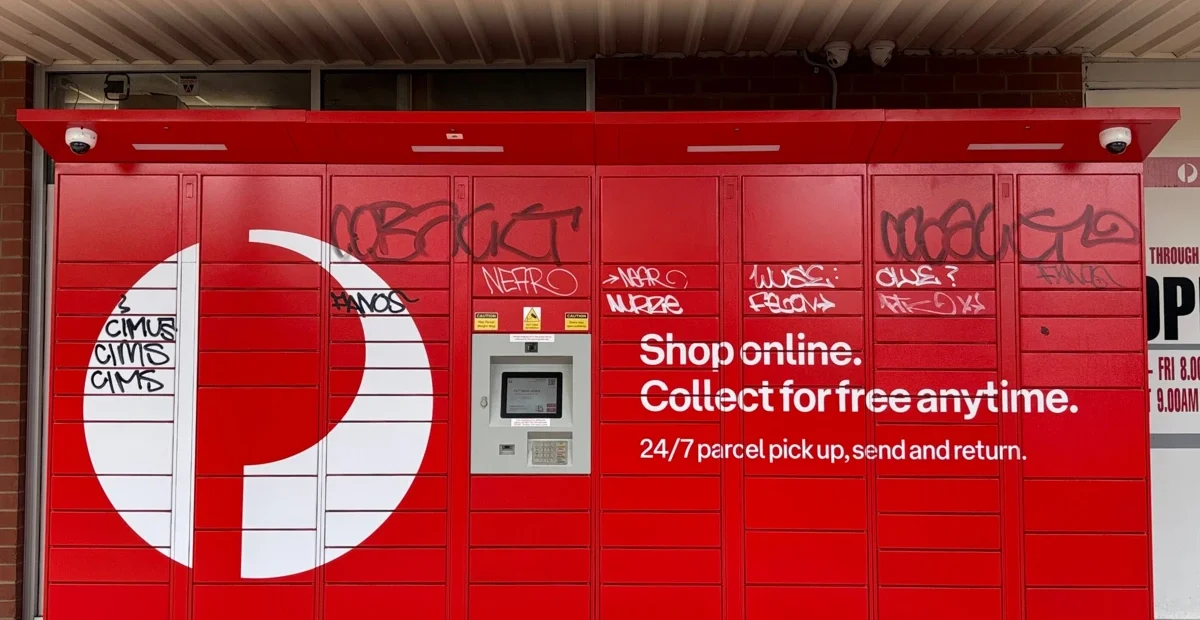
Use a delivery arrangement that matches the address and your availability. Australia Post’s missed-delivery guidance explains collection arrangements; its services also include eligible locker or Post Office collection options. Check availability and addressing instructions before ordering.
For apartments, confirm how reception and parcel storage operate. For shared houses, agree how residents tell one another that a parcel has arrived. Review old Safe Drop preferences rather than assuming an instruction chosen at a former home suits the current entrance.
Our Australian consumer-guarantees guide covers goods that arrive but are faulty, a different problem from non-receipt. Our Black Friday discount checks address the price and seller before purchase. Keep those questions separate from whether delivery was completed as agreed.
The next useful action is to assemble the order, payment, address and delivery evidence in one file. Establish what is known, ask the seller and carrier the specific unanswered question, and preserve the reference numbers. That gives an investigator a clearer starting point than repeated messages saying only that the parcel is missing.