Updated 26 November 2026. A reunion can be temporary even when the family hopes it will last. Choosing a parent visa for Australia starts with deciding whether the parent wants a visit, a multi-year temporary stay or permanent residence. Those are different immigration purposes, with different evidence and financial consequences.
For an Indian-Australian household, the practical question is often how to spend meaningful time together while keeping a parent’s healthcare, housing and return arrangements workable. A visitor visa should not be treated as a guarantee of settlement, and a place in a permanent parent queue does not itself give permission to live in Australia.
Which parent visa route fits the purpose of the stay?
The appropriate route depends on the intended stay and the applicant’s eligibility, rather than the length of the family relationship. A Visitor visa, the Sponsored Parent (Temporary) visa and permanent parent visas serve different purposes. Start with the Home Affairs visa list, then read the specific stream rather than relying on a comparison circulated in a family group.
Write down who is travelling, their citizenship, the proposed dates, where they normally live and who will meet their costs. Record whether the Australian child is a citizen, a permanent resident or an eligible New Zealand citizen. A child’s ability to invite a parent does not establish eligibility for every form of sponsorship.
The distinction matters before buying flights. A visa may permit several entries while limiting the time allowed on each visit. Its expiry date and the permitted stay are separate details. Read the grant notice for each traveller; do not copy one parent’s dates into the other parent’s itinerary without checking.
Does a parent visa application let someone remain in Australia?
A lodged application is not a substitute for a current visa. The person’s lawful stay, any bridging visa and any restrictions depend on the application route and individual circumstances. Check the grant notice and obtain advice before the current permission ends.
How do the main routes compare?
The main distinction is whether the route permits a temporary visit or permanent settlement. This comparison is a starting point, not an eligibility decision.
| Route | Purpose | Question to resolve first |
|---|---|---|
| Visitor visa, relevant subclass 600 stream | A temporary visit | Which stay period and conditions would apply to this applicant? |
| Sponsored Parent (Temporary), subclass 870 | A longer temporary family visit | Is there an approved parent sponsor and suitable financial and health arrangements? |
| Parent or Contributory Parent routes | Permanent migration, sometimes through a temporary contributory stage | Are the family, sponsorship and other route-specific requirements met? |
Do not confuse the temporary contributory subclasses with subclass 870 simply because both use the word temporary. They sit within different arrangements. A family comparing options should note the subclass number alongside the name whenever requesting advice or a quotation.
What does the sponsored temporary parent visa allow?
The subclass 870 visa allows an eligible parent to visit for up to three or five years per visa, with further visas subject to a maximum total period of 10 years. Home Affairs says holders cannot work. It requires an approved Parent Sponsor before the visa application can be lodged.
The department also specifies application timing after sponsorship approval and says permission to apply from inside Australia is available only in limited circumstances. This makes the sequence important: sponsorship, visa application and travel are separate steps. An invitation letter is not an approved sponsorship, and sponsorship approval is not a visa grant.
Ask for a written explanation of the sponsor’s responsibilities, the parent’s eligibility, insurance requirements and what happens at the end of the permitted stay. A multi-year visit creates recurring costs that a short holiday budget can miss. Include healthcare premiums, routine treatment, local transport, living costs and a return journey, rather than comparing only the application charge.
How long can permanent parent migration take?
Home Affairs currently estimates 18 years for new Contributory Parent applications and 42 years for new Parent and Aged Parent applications. These are estimates based on available places, not a promise about an individual application. The department’s queue and processing explanation separates initial assessment from release for final processing.
That distinction changes how a family should read an acknowledgement. Receipt of an application, assignment of a queue date and final assessment are different milestones. Ask what a letter actually confirms before interpreting it as progress towards an imminent move.
The published estimates can change with programme settings and demand. They should inform a realistic family discussion about care and contact, rather than be converted into a precise future arrival year. A parent who needs help now may require a separate care arrangement while an immigration decision remains distant.
What is the balance-of-family test?
For the parent routes to which it applies, the balance-of-family test examines where the applicant’s children are eligible and settled, rather than which child can offer the largest financial contribution. Home Affairs explains the criteria and which children are counted in its balance-of-family guidance.
Broadly, at least half the children must be eligible children, or there must be more eligible children in Australia than in any other single country. Definitions and exclusions matter. Stepchildren, deceased children and particular family circumstances should be checked against the official text, not decided by an informal headcount.
Do not assume every parent-related visa uses the same test. Equally, do not assume an exception available in one route transfers to another. Prepare a clear family tree, citizenship and residence information, and the documents requested for the actual subclass before paying for an application.
What changes for visitor applications from 28 November 2026?
The new visitor settings require particular attention to condition 8503, commonly called No Further Stay. The November 2026 amending instrument’s explanatory statement specifies the commencement and application provisions. The changes apply to relevant visitor applications made on or after 28 November 2026, rather than every visa decided after that date.
Condition 8503 restricts applications for many further visas from inside Australia. It should not be read as permission to remain beyond the authorised stay, nor should a family assume that a waiver will be available. The existence of a waiver process does not make a request successful or remove the need to maintain lawful status.
Check an existing visa individually. Do not presume that the new commencement date automatically rewrites an earlier grant, and do not rely on a screenshot that omits the conditions section. Families facing an approaching expiry should obtain advice on their own dates instead of rushing a speculative application.
What healthcare and living arrangements should families check?
Healthcare should be planned separately from visa eligibility. An invitation from a child with Medicare does not put a visiting parent on that child’s entitlement. Check the parent’s own position with Services Australia and the actual insurance policy, including exclusions, waiting periods and medicines.
Ask how pre-existing conditions are treated, whether the policy covers the intended visit length and what happens if the parent needs treatment before returning to India. A policy name or a visa-compliance certificate is not a confirmation that every hospital bill will be paid.
Housing deserves the same specificity. Consider stairs, cooling, access to a GP, transport and whether the household can provide support during working hours. Our guide to aged-care assessments and language support explains another set of questions, but a visiting parent’s eligibility must be checked independently.
What should you prepare before asking for advice?
Prepare one dated summary containing the parent’s current visa, location, expiry and conditions; the child’s residence status; the proposed length of stay; and any previous applications. Keep health and financial documents secure and share them only through the adviser or department’s legitimate channels.
Ask the adviser to distinguish eligibility, likely waiting time, permission to remain and total cost. A quotation should identify which charges are government fees and which are professional or third-party costs. Never interpret a payment request as evidence of an assured outcome.
For broader application preparation, see our Australian skilled migration portal guide. Its application type is different, but the same practical discipline applies: keep submitted records, check deadlines and use the official account rather than links in unsolicited messages.
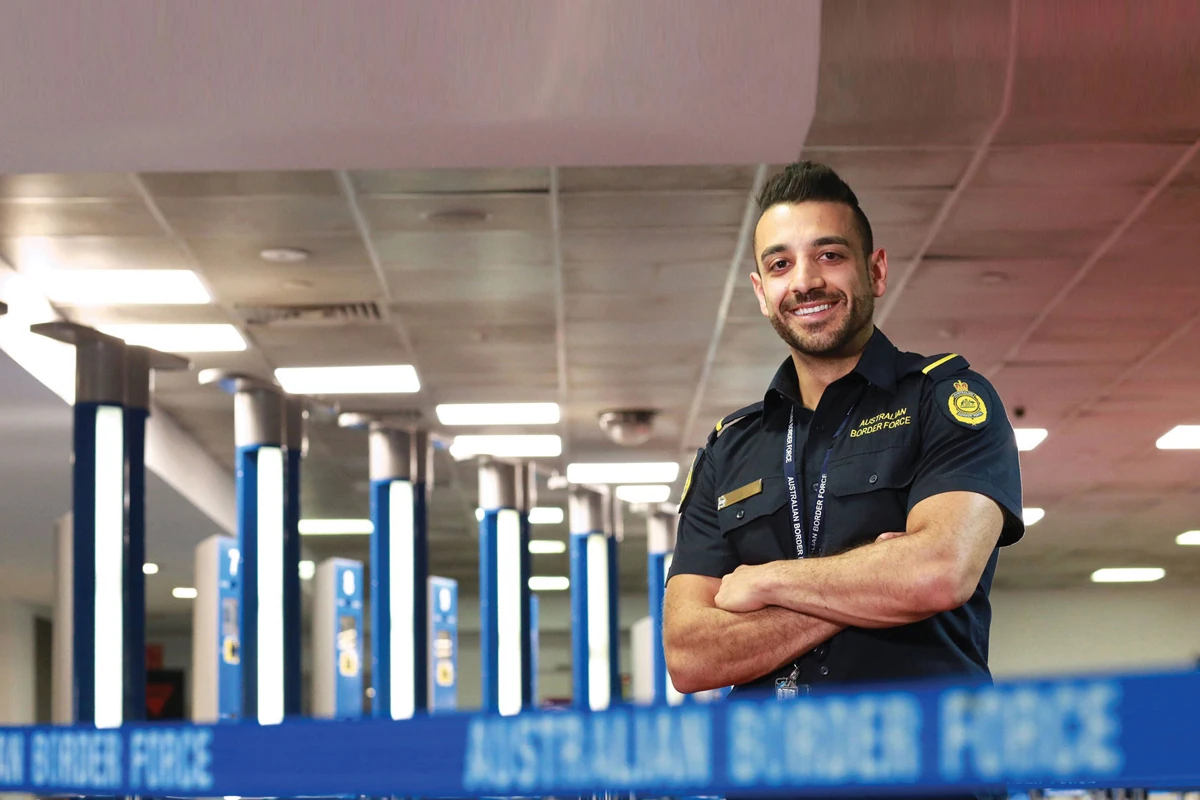
Before paying for help, check who may provide immigration assistance. Ask the adviser to identify the proposed subclass and explain the evidence still missing. Keep the written engagement, fee breakdown and application records. Someone helping with translation or scanning documents is performing a different task from assessing eligibility. Make sure the parent understands what will be submitted in their name and can obtain a copy.
How should families use this guide?
Use this comparison to prepare questions for the Department of Home Affairs or a registered migration agent, then check the current requirements for the chosen subclass. The rules and estimates here were checked on 26 November 2026. Recheck them before lodging, paying or making non-refundable travel arrangements.
The next useful step is a family plan with two timelines: what the parent needs over the coming year, and what a longer immigration process could realistically support. Keeping those timelines separate helps families make practical care and reunion decisions while preserving the conditions of the visa they actually hold.