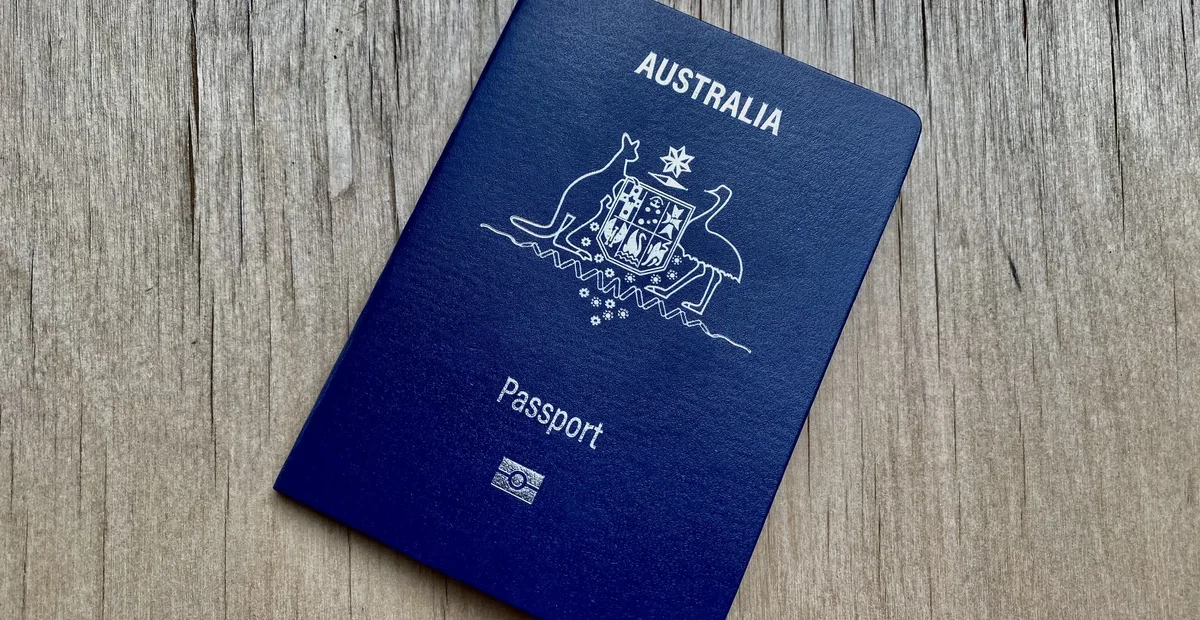
Checked 27 November 2026. An Australian passport establishes your nationality, not your permission to enter India. The appropriate Indian visa for Australians depends on the proposed activity and, for OCI, a separate eligibility assessment. Indian origin alone should not be treated as an entry document.
For a short visit, an eligible traveller may use the appropriate e-visa category. Someone eligible for Overseas Citizen of India registration may instead consider OCI for repeated travel, but an application awaiting approval is not a travel permission. Existing OCI holders should check the record, current passport and applicable update requirements before leaving Australia.
The choice also sits alongside arrival formalities. An e-Arrival card records arrival information and is not a visa. Health declarations are a separate process. Mixing those documents together can leave a traveller with a completed online form but without the entry permission actually needed.
Which Indian visa for Australians fits the trip?
Choose permission that covers the actual purpose, not simply the cheapest or longest-valid option displayed online. Australia’s ordinary passport holders appear among the nationalities eligible for India’s e-visa service, subject to the individual eligibility and application conditions.
The official Indian e-visa portal lists tourist, business, medical, student and other categories. A tourism permission should not be assumed to authorise employment or every professional activity. Explain the intended work, study, treatment or visit accurately and follow the category’s document requirements.
Different members of a family can need different permissions. An Australian-born child, an Indian citizen parent and a naturalised Australian parent should each have an individual document check. A parent’s OCI registration or visa is not an automatic substitute for the child’s own permission.
How does an e-visa differ from OCI?
An e-visa is permission issued under a particular visa category, while OCI is a registration status available only to qualifying foreign nationals. OCI is not Indian citizenship and does not make an Australian passport holder a dual citizen of India.
| Question | E-visa | OCI |
|---|---|---|
| Who may use it? | Eligible passport holders meeting the relevant visa category’s conditions | Foreign nationals meeting statutory registration criteria |
| What determines permission? | Category, validity, entries and stay conditions in the grant | Registration conditions, valid passport and any required special permissions |
| Is ancestry required? | Not generally a requirement for an eligible Australian tourist applicant | Qualifying ancestry, former citizenship or another specified category must be established |
| Does applying permit travel? | No, check the issued authorisation | No, registration must be approved and usable |
| Does it replace arrival forms? | No | No |
For someone planning a single holiday, the relevant e-visa may answer the immediate need without establishing OCI eligibility. For an eligible person making repeated family visits, OCI may be worth considering, but the application process should be assessed against the departure date rather than assumed to finish before a flight.
Who qualifies for OCI registration?
Eligibility can arise through specified former Indian citizenship or ancestry, certain minor-child categories, or a qualifying spouse relationship. The official OCI eligibility FAQs set out the statutory categories and exclusions. They should take priority over a general claim that anyone with an Indian surname qualifies.
The spouse category has its own conditions, including the qualifying duration of a registered marriage and security clearance. The current FAQ also describes an initially issued five-year card for a foreign-spouse-based applicant. Do not apply a blanket “lifelong” description to every registration category without reading the current conditions.
The exclusions involving specified nationalities and family history are important. Where ancestry, marriage or past nationality makes the position complicated, seek a written answer from the relevant Indian mission before paying. Prepare the documentary chain connecting the applicant to the qualifying person rather than relying on an unsupported family account.
Our OCI application guide for Australia provides related service background. Recheck the current official checklist before submitting: a previously published service procedure is not proof that an old postal route, appointment system or document list still applies.
What should travellers check about validity and length of stay?
Visa validity and permitted stay are different measures. A one-year or five-year authorisation does not necessarily permit an uninterrupted stay for that whole period. Read the category, start date, permitted entries, stay limits and any registration conditions in the actual authorisation.
The current e-visa portal displays one-month, one-year and five-year tourist options, among its category information. It also states a maximum of 180 days in a calendar year for the one-year and five-year tourist visas. Do not turn that annual ceiling into an assumption about every other condition or visa category.
The portal currently describes the one-month tourist option as multiple-entry, non-extendable and non-convertible. This differs from older online summaries. Use the current instructions and the issued authorisation, particularly when planning a side trip to another country and re-entry into India.
People planning extended stays, work, research or other regulated activities should check the appropriate category and permissions before departure. An OCI holder’s broad travel facility should not be described as unrestricted permission for every activity. The official OCI portal identifies activities requiring special permission.
Can an e-Arrival confirmation replace an Indian visa?
No. The official portal explicitly describes it as arrival information, not a visa. An Australian passport holder still needs the appropriate valid entry permission, such as an eligible visa or usable OCI registration.
How should an Australian citizen with Indian origin handle passports?
Use the passport and nationality appropriate to the person’s current status, and check any Indian passport surrender requirements following acquisition of foreign citizenship. An old Indian passport should not be treated as a convenient alternative travel document simply because it has not reached its printed expiry date.
Check names, dates of birth and passport numbers across the current passport, visa or OCI record and booking. Where a name changed after marriage or naturalisation, establish which supporting documents the authority requires. An airline booking correction does not automatically update an immigration record.
For OCI passport-update matters, our Australia penalty-waiver reporting concerns the specific one-time relief announced for late updates. A penalty waiver is not a waiver of the underlying need to keep records current, and it should not be interpreted as permission to ignore a new passport.
What changes when a passport is renewed?
Check the official process for the existing permission rather than assuming every visa or OCI record transfers automatically. The e-visa portal now advertises an ETA transfer service from an old passport to a new one. Read its eligibility and instructions for the actual case.
OCI holders should use the portal’s current miscellaneous-service and e-OCI guidance for their category and age. Our e-OCI background article explains the change in format, but the official record and current travel instructions determine what should be carried.
Keep usable copies of the granted permission and relevant confirmations accessible during travel. A payment receipt, saved application number or screenshot of an unfinished form does not establish approval. Check the status through the official service and resolve discrepancies before reaching airline check-in.
Which arrival and health forms need separate attention?
The Indian visa portal says foreign nationals and OCI holders can submit the e-Arrival card within 72 hours before arrival through the official immigration service. Follow the Bureau of Immigration or the official visa portal, checking the current instructions for the traveller.
Health screening is separate. India’s Ministry of Health and Family Welfare announced Air Suvidha 2.0 on 25 June 2026, describing a health self-declaration for international arrivals that can be completed within 24 hours before arrival. The official launch notice links the authorised portal and explains the screening purpose.
Recheck the health instructions close to departure, particularly after travel through affected locations, and answer the actual travel-history questions accurately. Do not reuse a COVID-era assertion that the form is abolished without checking the current health arrangement. Nor should a health declaration be described as granting immigration admission.
How can travellers avoid unofficial visa websites?
Start from the government portal or the Indian mission’s official links and check the domain before uploading passport information or paying. A search advertisement and an Indian flag do not establish that a website is the government service. An intermediary may add charges without changing the underlying decision process.
The e-visa portal expressly warns that the Government of India does not charge an emergency or express e-visa fee. Treat claims of guaranteed urgent approval cautiously. Keep the application acknowledgement and payment record, and use the official status service rather than a private agent’s screenshot as the final check.

How should families use this guide before departure?
Check each traveller’s nationality, current passport, approved permission, proposed activity and permitted stay against the official Indian visa and OCI services. Then check arrival and health forms within their current submission windows. The sources were reviewed on 27 November 2026, so repeat time-sensitive checks before travelling.
For an unusual nationality history, spouse-based OCI case or uncertain activity, contact the relevant Indian mission or a qualified adviser before relying on a general guide. A family can share one itinerary while needing several different document routes. The final check belongs against each person’s actual grant and passport.

NRI Affairs News Desk
The NRI Affairs News Desk covers daily news for Indians living abroad: visa and migration rules, passport and consular services, community events, and money matters such as NRI banking and remittances. Stories are written and edited by the NRI Affairs editorial team and checked against official sources, including government notices, embassy and high commission advisories and RBI circulars. When we get something wrong, we correct it openly. Our editorial standards: https://www.nriaffairs.com/editorial-standards/
More stories by the desk