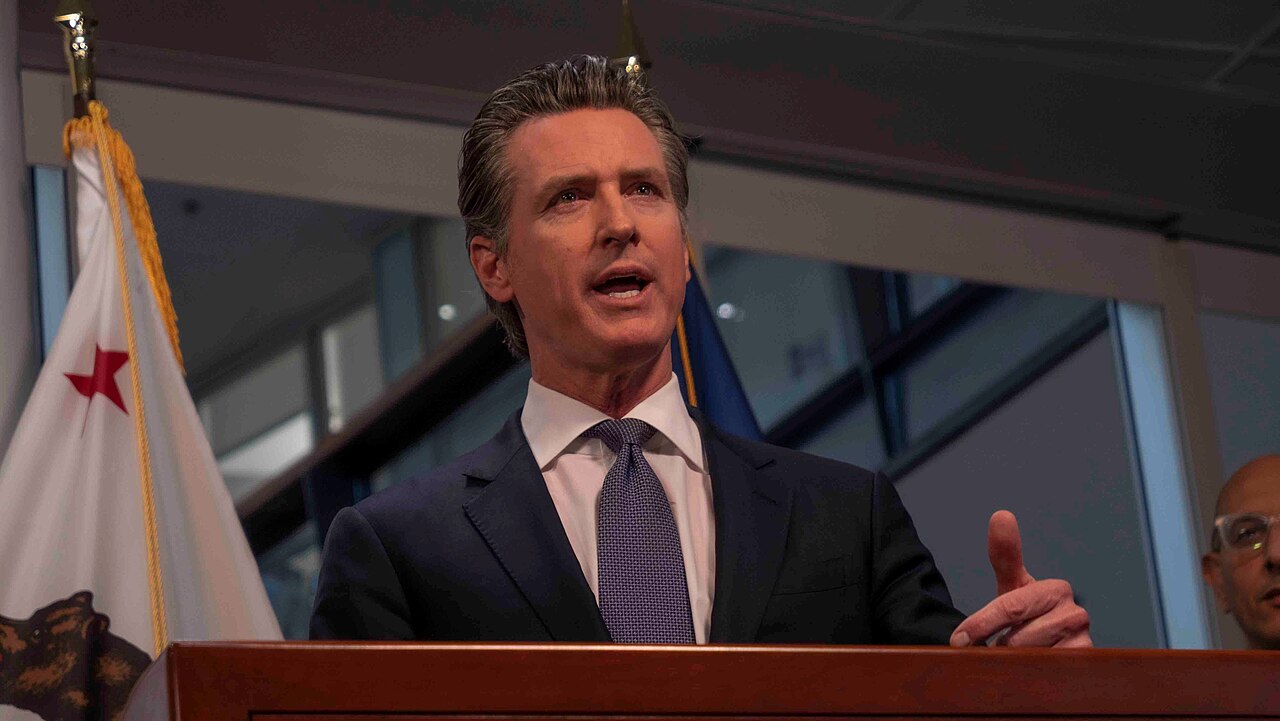
The US Senate has confirmed Dr S. Paul Kapur, an Indian-American scholar and professor, as the Assistant Secretary of State for South and Central Asian Affairs. The confirmation on 7 October 2025 places the Delhi-born academic at the helm of US diplomacy in a region spanning from India and Pakistan to the five Central Asian republics.
Dr Kapur, 56, now leads the State Department bureau responsible for guiding US policy towards Afghanistan, Pakistan, India, Sri Lanka, Bangladesh, Nepal, the Maldives, Bhutan, Kazakhstan, Kyrgyzstan, Tajikistan, Turkmenistan and Uzbekistan.
During his Senate nomination hearing, Kapur described the moment as a “full-circle” event. “I was born in New Delhi to an Indian father and an American mother,” he stated, according to a transcript. “Although I visited India often during my childhood, I grew up in the United States as a thoroughly American kid, never imagining that my career would someday return me to the place where I was born.”
A professor of national security affairs at the US Naval Postgraduate School, Kapur has focused his research on nuclear deterrence and South Asian security. In his hearing, he outlined that the US and India “share a host of common interests”, including ensuring a “free and open Indo-Pacific region”, expanding trade and strengthening cooperation in technology and energy.
His confirmation was noted by regional observers. The Times of Central Asia reported that Kapur’s arrival “restores Senate-confirmed leadership to the State Department bureau responsible for South and Central Asia after a prolonged vacancy”. In his testimony, he emphasised that US engagement in Central Asia would focus on advancing the “sovereignty and territorial integrity” of regional states through forums like the C5+1.
The US India Business Council (USIBC) congratulated Kapur on his new role. “We @USIBC wish them every success in advancing America’s diplomacy,” USIBC President Atul Keshap wrote on social media.
Kapur is the author of several books on regional security. In his 2016 book, Jihad as Grand Strategy, he wrote that “jihad has become a central component of Pakistani grand strategy,” and warned that Pakistan faced a “serious risk of catastrophe” if it did not abandon its long-standing militant strategy.