
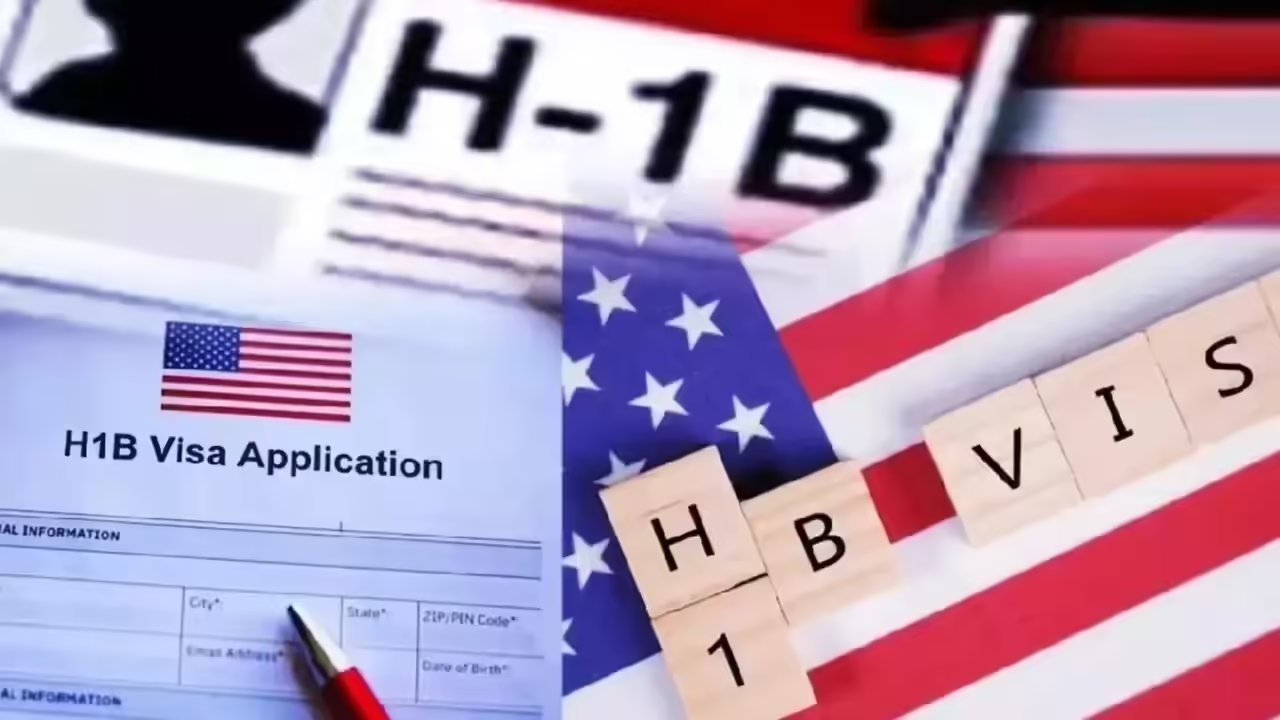
The Trump administration has signalled that it may be willing to grant exemptions from the controversial US$100,000 H-1B visa fee in certain circumstances, offering a possible reprieve for employers struggling to recruit specialised workers from overseas.
US Homeland Security Secretary Markwayne Mullin told a Senate Appropriations Subcommittee hearing that the Department of Homeland Security (DHS) has the authority to waive the fee on a case-by-case basis.
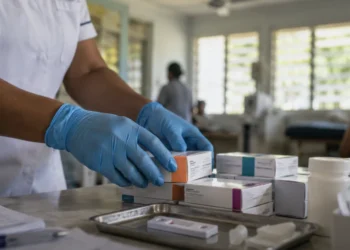
The comments came after Senator Susan Collins of Maine highlighted the case of a rural hospital that had paid the fee to recruit a surgeon from overseas after failing to find a qualified American candidate.
“We do have some authority and flexibility to be able to waive some of this on a case-by-case basis,” Mullin told lawmakers.
The remarks mark the clearest indication yet that the administration may be prepared to soften the impact of the fee in exceptional circumstances, particularly where employers can demonstrate critical workforce shortages.
The US$100,000 charge has become one of the most controversial changes to the H-1B programme, which allows US employers to hire highly skilled foreign workers in occupations such as technology, healthcare, engineering and research. Indian professionals account for the overwhelming majority of H-1B visa holders.
According to Mullin’s testimony, DHS has received approximately 286,000 H-1B applications so far in fiscal year 2026. More than 200,000 applicants reportedly paid the US$100,000 fee to obtain faster processing.
Business groups, hospitals and industry associations have warned that the fee could make it significantly more expensive for employers to recruit overseas talent, particularly in sectors already facing acute labour shortages.
Collins argued that healthcare providers in underserved rural communities should be treated differently from employers hiring in sectors with larger domestic labour pools.
The hearing also touched on the H-2B temporary worker programme, which is widely used by seasonal industries including tourism, hospitality, seafood processing, landscaping and construction.
Mullin indicated he would support a streamlined process for workers with a proven history of complying with visa rules.
“If they’ve been able to go through the process over and over again, they come in when they’re supposed to, they leave when they’re supposed to, and there’s no issues here, I’d be happy to do something like that and streamline the process,” he said.
However, Mullin cautioned that broader changes to visa programmes may require congressional action because DHS has limited authority to alter visa caps or create new statutory exemptions.
For Indian professionals and employers that depend on the H-1B programme, the possibility of fee waivers could provide a narrow but important pathway for relief, particularly in healthcare and other sectors facing critical workforce shortages.