
Saira Bano, Thompson Rivers University
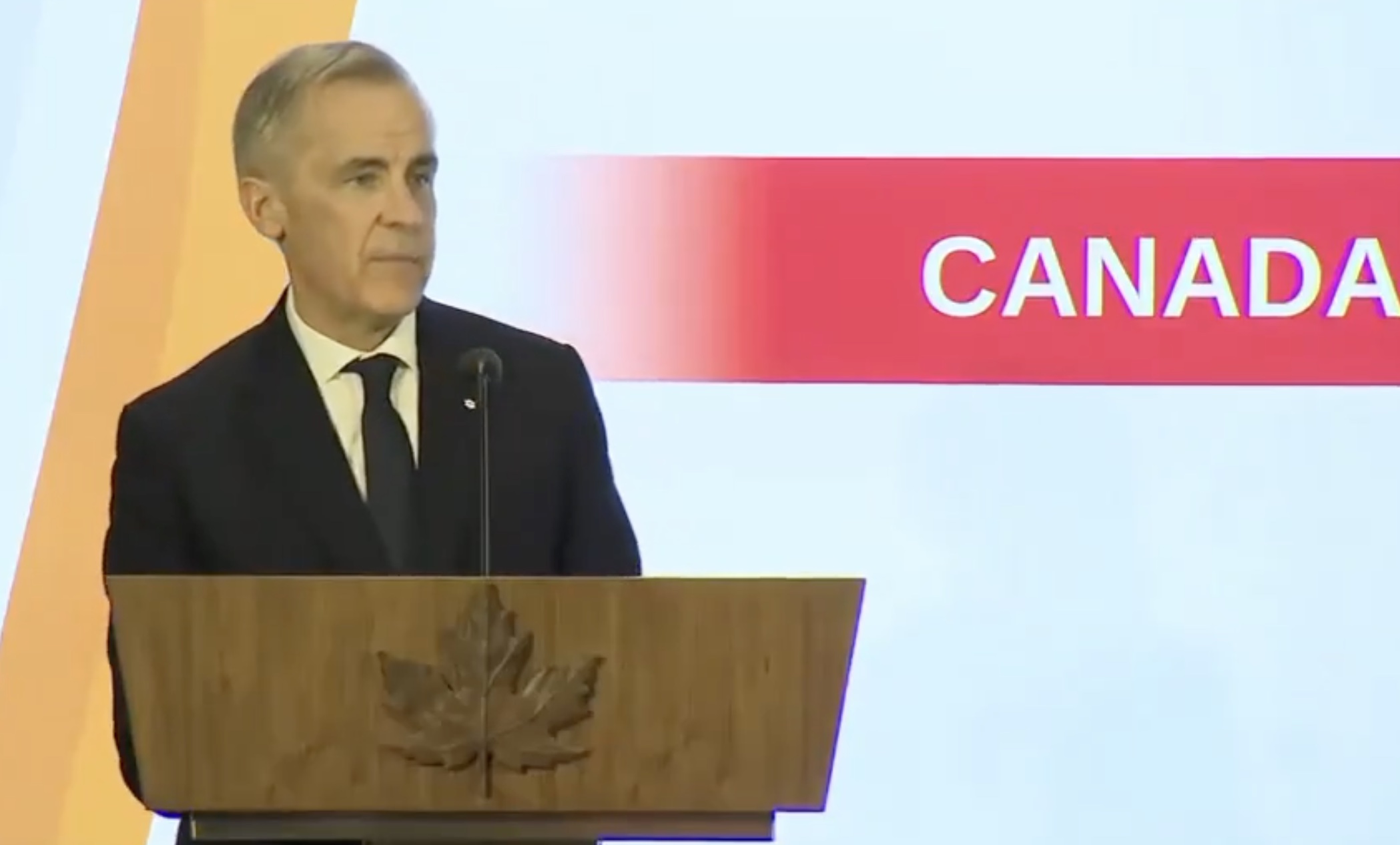
Prime Minister Mark Carney’s visit to India marks the most consequential step in years to rebuild Canada–India relations after the diplomatic rupture in 2023 over allegations linking Indian agents to the killing of a Canadian Sikh activist.
The visit signals a deliberate shift from crisis management to economic statecraft.
In Mumbai, Carney announced that Canada aims to conclude a Comprehensive Economic Partnership Agreement (CEPA) with India by the end of this year, with the goal of doubling two-way trade by 2030. The message was pragmatic: the two countries may not always agree, but engagement must continue.
From rupture to reset
Canada-India relations deteriorated sharply in September 2023, leading to diplomatic expulsions, reduced staffing and suspended trade negotiations. For much of the past two years, the relationship was defined by security tensions and mutual distrust.
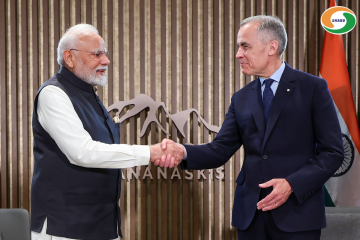
The first signs of stabilization came at the 2025 G7 Summit in Kananaskis, Alta., when Carney’s invitation to Prime Minister Narendra Modi signalled a diplomatic breakthrough. High commissioners were reinstated and ministerial channels reopened. Carney’s India visit suggests the reset is moving from symbolism to implementation.
The logic is clear. Canada’s heavy trade dependence on the United States has become riskier amid tariff threats and political volatility. Diversification is no longer aspirational; it’s strategic.
India, as one of the world’s fastest growing major economies and an increasingly central figure in global supply chains, offers scale and long-term opportunity.
Energy as the anchor
Energy emerged as the central pillar of Carney’s two-day visit. Canada and India have relaunched the Ministerial Energy Dialogue and are advancing discussions on uranium supply, conventional energy trade and clean energy co-operation.
India’s energy demand continues to rise as economic growth accelerates. It remains heavily import-dependent on crude oil and natural gas while also seeking to expand low-carbon baseload power. Canada, meanwhile, is looking to reduce its overwhelming reliance on the U.S. market.
With expanded export capacity through the Trans Mountain pipeline and growing LNG infrastructure, Canada is better positioned to reach Indo-Pacific markets than at any point in recent decades.
While Canada will not displace other suppliers, it can become part of India’s diversification portfolio. Long-term uranium agreements, in particular, would embed trust through decades of commercial interdependence. Nuclear co-operation offers durability that few other sectors can match.
Critical minerals, structural alignment
Beyond fuels, critical minerals represent a deeper strategic opportunity. Canada’s Critical Minerals Strategy aligns closely with India’s National Critical Minerals Mission in terms of lithium, nickel, cobalt, rare earth elements and downstream supply chains.
For Canada, the goal is not simply exporting raw resources, but building integrated value chains through processing partnerships, recycling and technology collaboration. For India, secure access to minerals is essential for electric vehicles, semiconductors, defence industrial supply chains and clean energy technologies, particularly as it seeks to reduce dependence on China-dominated processing networks.
Progress in critical minerals would move the relationship beyond symbolic diplomacy toward structural alignment.
Although CEPA negotiations have stalled in the past, both countries now face stronger incentives to revive them amid global trade turbulence and diversification pressures.
Progress on energy and minerals can help build domestic support for stability while wider trade talks continue.
Innovation, security
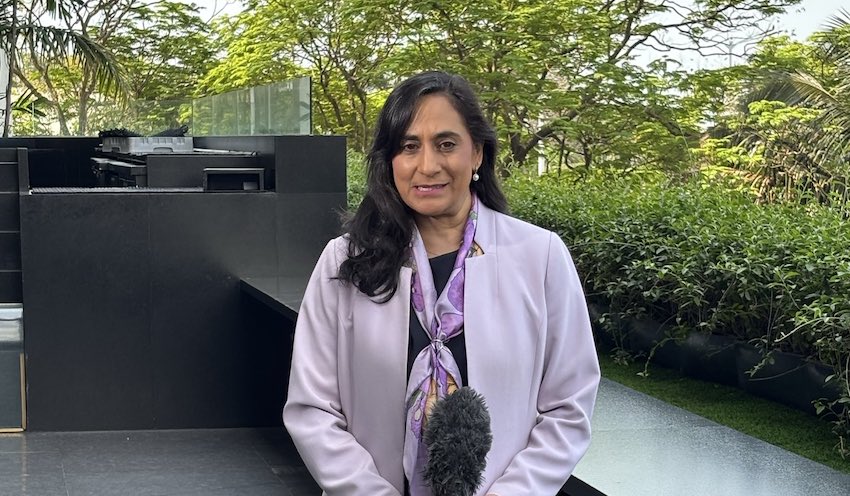
Carney’s visit also emphasized people-to-people and innovation ties. Foreign Affairs Minister Anita Anand launched a new Canada–India Talent and Innovation Strategy, including 13 new university partnerships spanning artificial intelligence, hydrogen research, digital agriculture and health sciences.
Education has long anchored Canada–India relations. Embedding research collaboration and talent mobility strengthens long term institutional linkages that outlast political cycles. Artificial intelligence co-operation, in particular, aligns Canada’s strengths in responsible AI governance with India’s scale in digital infrastructure and AI deployment.
Despite economic progress, however, security concerns between India and Canada remain unresolved. The diplomatic fallout of 2023 continues to affect trust.
During the visit, Anand faced repeated questions about foreign interference and transnational repression. She emphasized that public safety concerns must be addressed through direct engagement rather than disengagement.
Recent reports of ongoing threats and warnings to Sikh activists in Canada show that underlying tensions persist, even as both governments seek to prevent them from defining the entire relationship.
Ottawa’s tone appears more measured, but the conflicting narratives between the two countries remains evident.
The road ahead
Carney’s challenge is now therefore twofold: advance economic co-operation while preventing unresolved security disputes from derailing the broader reset of the Canada-India relationship.
Improved ties with India also align with Carney’s broader foreign policy vision, articulated in Davos, that middle powers must co-operate more closely in response to fractures in the global order.
India’s inclusion in a broader Indo-Pacific tour alongside Australia and Japan underscores that this engagement is part of a wider strategic recalibration.
Stabilizing relations with India is therefore not simply a bilateral exercise. It’s about positioning Canada more credibly in the Indo-Pacific region and strengthening co-ordination among democratic middle powers navigating geopolitical uncertainty.
The significance of Carney’s visit lies less in rhetoric and more in trajectory. By setting a target for a trade agreement, advancing energy and uranium co-operation, deepening critical minerals alignment and expanding academic partnerships, Ottawa is attempting to anchor the relationship in long-term interdependence.
The reset is not complete. Security tensions still cast a shadow. But the visit suggests that both governments are willing to compartmentalize disputes and focus on areas of shared economic and strategic interest.
Saira Bano, Assistant Professor in Political Science, Thompson Rivers University
This article is republished from The Conversation under a Creative Commons license. Read the original article.