A new report by UK think tank Policy Exchange has revealed that Hindu nationalist extremism and pro-Khalistan extremism are now being considered as emerging threats in Britain’s counter-extremism framework. The report, titled Extremely Confused – The Government’s new counter-extremism review revealed, analyses a leaked UK Home Office document outlining a broader approach to tackling extremism in the country.
The report notes that the government’s “Rapid Analytical Sprint” has moved away from targeting specific ideological threats and instead focuses on extremist behaviours, a shift that has raised concerns about the effectiveness of counter-extremism efforts. Among the nine types of extremism identified in the leaked government analysis, Islamist extremism remains a priority, but it is now given the same level of attention as Hindu nationalist extremism, pro-Khalistan extremism, extreme misogyny, environmental extremism, left-wing and anarchist extremism, and conspiracy theories.
Hindu and Khalistan extremism under scrutiny
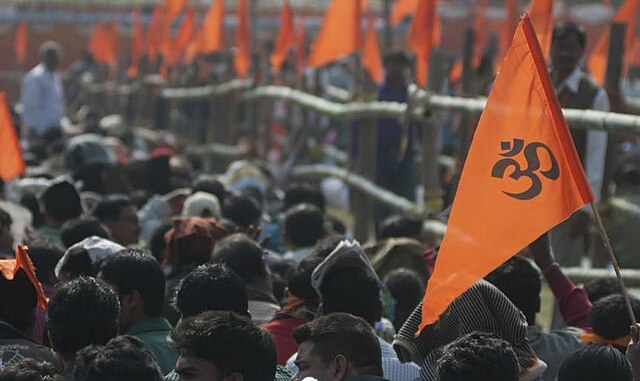
According to Policy Exchange’s analysis, Hindu nationalist extremism—often referred to as Hindutva extremism—has gained prominence in government discourse, particularly in light of the Leicester riots of September 2022. The report suggests that tensions between Hindu and Muslim communities were deliberately exploited by key figures on both sides, exacerbating divisions and fuelling communal violence.
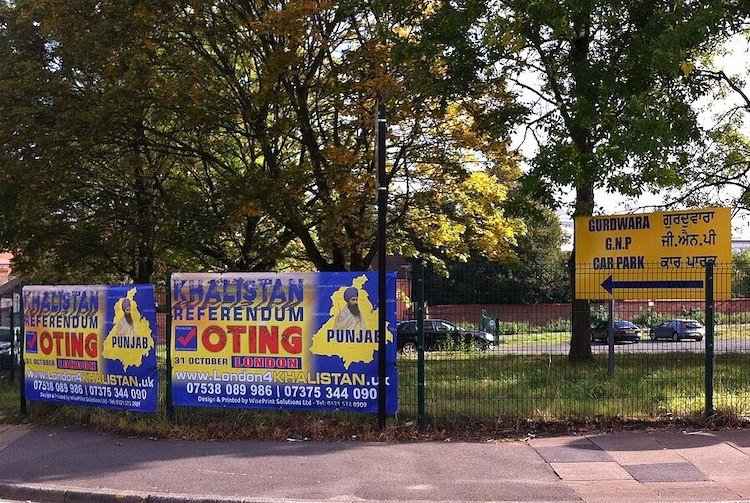
The review also discusses pro-Khalistan extremism, acknowledging that advocacy for an independent Sikh state is not inherently extremist. However, concerns arise when support for the Khalistan movement translates into calls for violence or contributes to the demonisation of other communities. The leaked government document references a “growing portfolio of actors of concern” within the movement and mentions allegations that some elements promote conspiracy theories about British and Indian government collusion.
Expanding the definition of extremism
One of the most contentious aspects of the government’s revised approach is its broader definition of extremism, which now includes non-violent activities such as spreading misinformation, engaging in conspiracy theories, and having an interest in violent online subcultures. Policy Exchange warns that this expansion could divert resources away from genuine security threats, making it harder to focus on those who pose the greatest danger.
The report also criticises the government’s decision to allocate only one page to Islamist extremism—the dominant extremist threat in the UK, responsible for the majority of terror-related attacks—while dedicating equal space to lesser-known forms of extremism such as pro-Khalistan activism and conspiracy theories.
Concerns over freedom of speech and policing
The think tank raises alarm over potential threats to freedom of speech, as the government considers reversing previous restrictions on recording “non-crime hate incidents” and introducing new offences for “harmful communications” online. Policy Exchange suggests that these measures could be used to suppress legitimate political discourse under the guise of tackling extremism.
Furthermore, the report highlights the government’s claim that accusations of “two-tier policing”—where authorities are perceived as treating different communities unequally—constitute a “right-wing extremist narrative.” This assertion has sparked debate, as critics argue that concerns over policing disparities should not be dismissed as extremist rhetoric.
A shifting counter-extremism strategy
The government’s approach to counter-extremism is undergoing significant changes, with a greater emphasis on identifying extremist behaviours rather than focusing on specific ideologies. However, Policy Exchange warns that this shift may lead to inefficiencies in tackling the most serious threats while also raising concerns about overreach and free speech restrictions.
As the UK continues to reassess its counter-extremism policies, the inclusion of Hindu nationalist and pro-Khalistan extremism in the government’s framework signals a widening focus on ideological movements with roots in the Indian subcontinent. The impact of these policy changes remains to be seen, but they are likely to provoke further debate on the balance between national security and civil liberties.