Auckland’s Diwali programme reaches beyond the two days of stalls and stages in Aotea Square. Free station performances, gallery music and an exhibition of Indian art are listed before the main festival on 31 October and 1 November 2026. For visitors, the practical question is which parts require a separate trip, booking or timetable check.
The Auckland Diwali 2026 programme also identifies choices about how Indian culture is presented: classical music alongside fusion performance, regional art traditions alongside contemporary work, and a public food offer restricted to vegetarian dishes. Those choices describe the event being organised. They do not, on their own, establish whether every community feels represented by it.
The city’s 21 September announcement sets out the main weekend, while the programme and participating institutions provide details of the surrounding activities. Several events are still weeks away. Their descriptions are plans, rather than accounts of performances that have already happened.
When is the main Auckland Diwali 2026 festival?
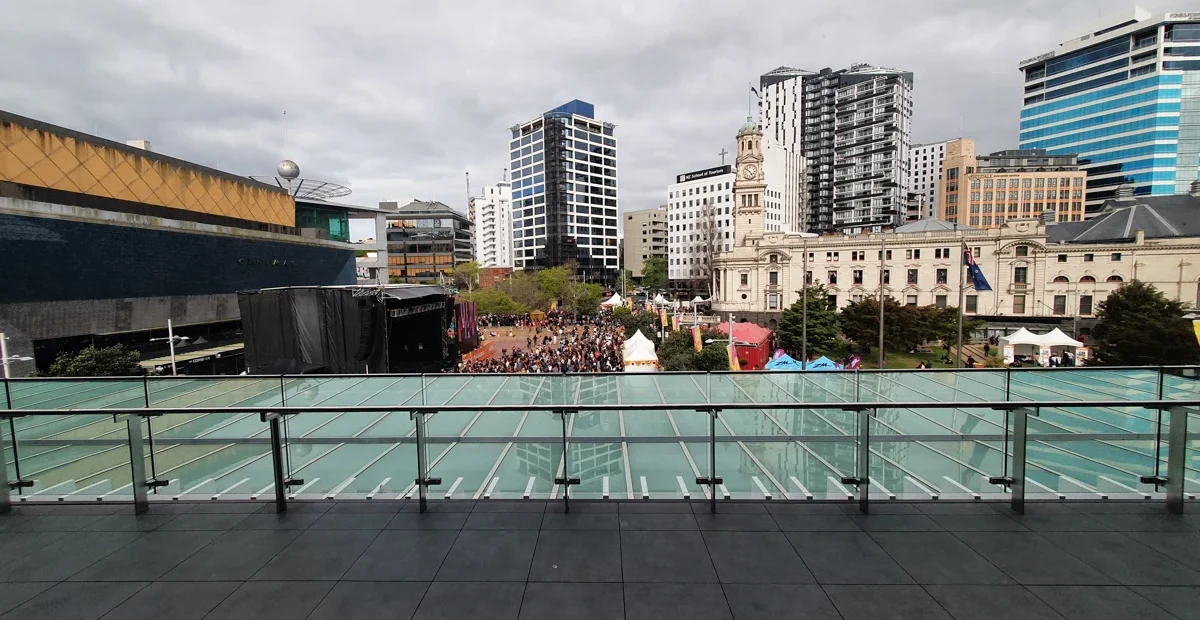
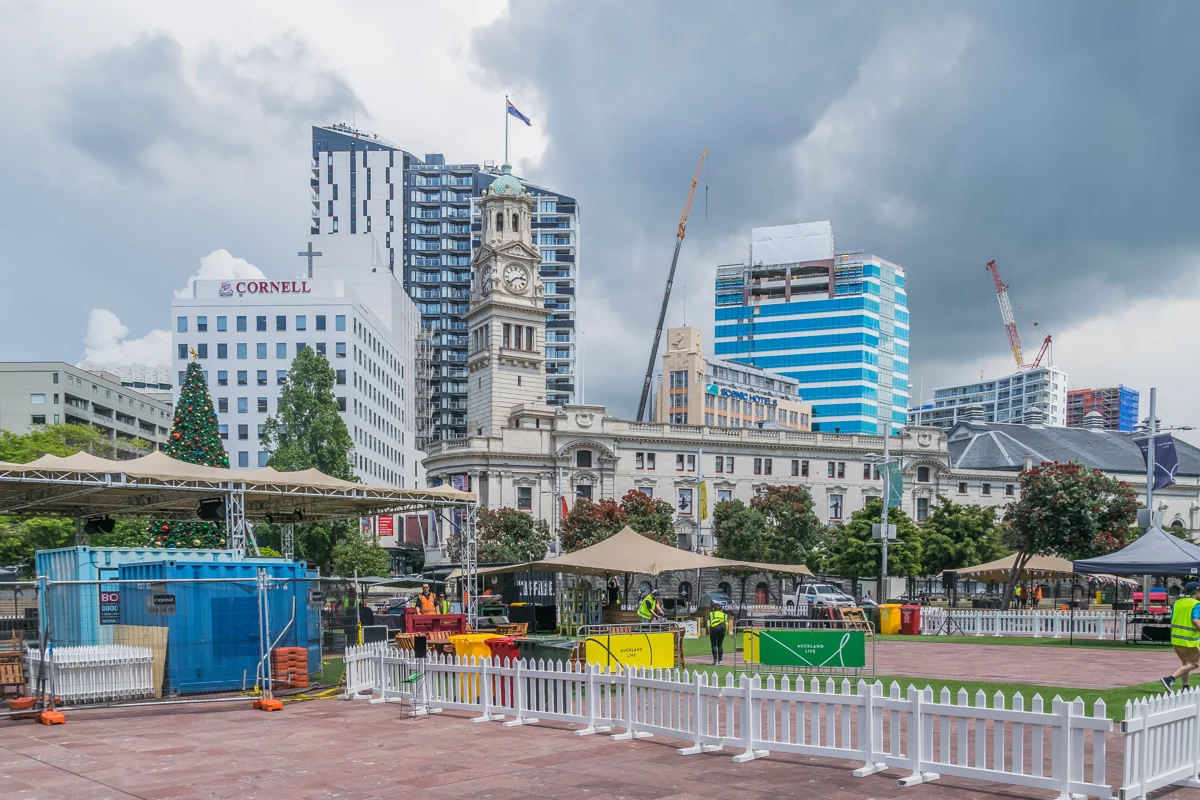
The main BNZ Auckland Diwali Festival is scheduled for Saturday 31 October and Sunday 1 November, around Aotea Square, Queen Street and Rutland Street. The council lists free entry, with activity beginning at noon on both days.
Its announcement gives a 9pm finish on Saturday and a 9.10pm finish on Sunday, with a planned Sunday fireworks finale. Individual stage and activity times can end earlier than the wider festival, so a performance listing should not be treated as the closing time for the whole site.
The event is advertised as vegetarian, alcohol-free and smoke-free. These are conditions of the organised festival, rather than a description of every Diwali celebration or every Indian family’s food practices. Visitors can check the council’s main festival announcement against the final running order before travelling.
Is the October programme the same as the main festival weekend?
No. The city lists a wider collection of Diwali activities before and around the Aotea Square festival. Gallery events, station performances and the art exhibition have their own dates and venues. A free festival ticket policy does not remove a separate event’s booking requirement.
What can visitors attend before 31 October?
The official programme lists free station performances on 13, 21 and 30 October, followed by gallery music and an Indian art exhibition later in the month. The station locations are Te Waihorotiu and Te Komititanga Square, outside Waitematā Station.
The listed station times are 5.30pm on 13 and 21 October and 7.30am on 30 October. Anyone building a commute around a performance should recheck the programme, including which location hosts the chosen slot. These are scheduled pop-up appearances, not a promise that every station visit will include music or dance.
The art exhibition, Under One Sky, Upon One Earth, is listed for 28 October to 1 November in the QBE Gallery on level four of Aotea Centre. Its listing describes Gond, Bhil, Warli and Madhubani traditions alongside contemporary work by Shibani Jain of Baaya Design. Entry is free, with hours listed as noon to 5pm.
The official what’s-on page is the place to check these events together. It should be read as a programme that can be updated, rather than as a fixed itinerary copied into a calendar once and never checked again.
| Activity | Listed dates | Where to check details |
|---|---|---|
| Station performances | 13, 21 and 30 October | Festival programme for location and time |
| Under One Sky, Upon One Earth | 28 October to 1 November | QBE Gallery, Aotea Centre |
| Gallery lunchtime music | 28, 29 and 30 October | Auckland Art Gallery’s event listing |
| The epics and their others | 31 October | Gallery booking page; free ticket required |
| Main festival | 31 October and 1 November | Festival information and final performance schedule |
What is Auckland Art Gallery adding?
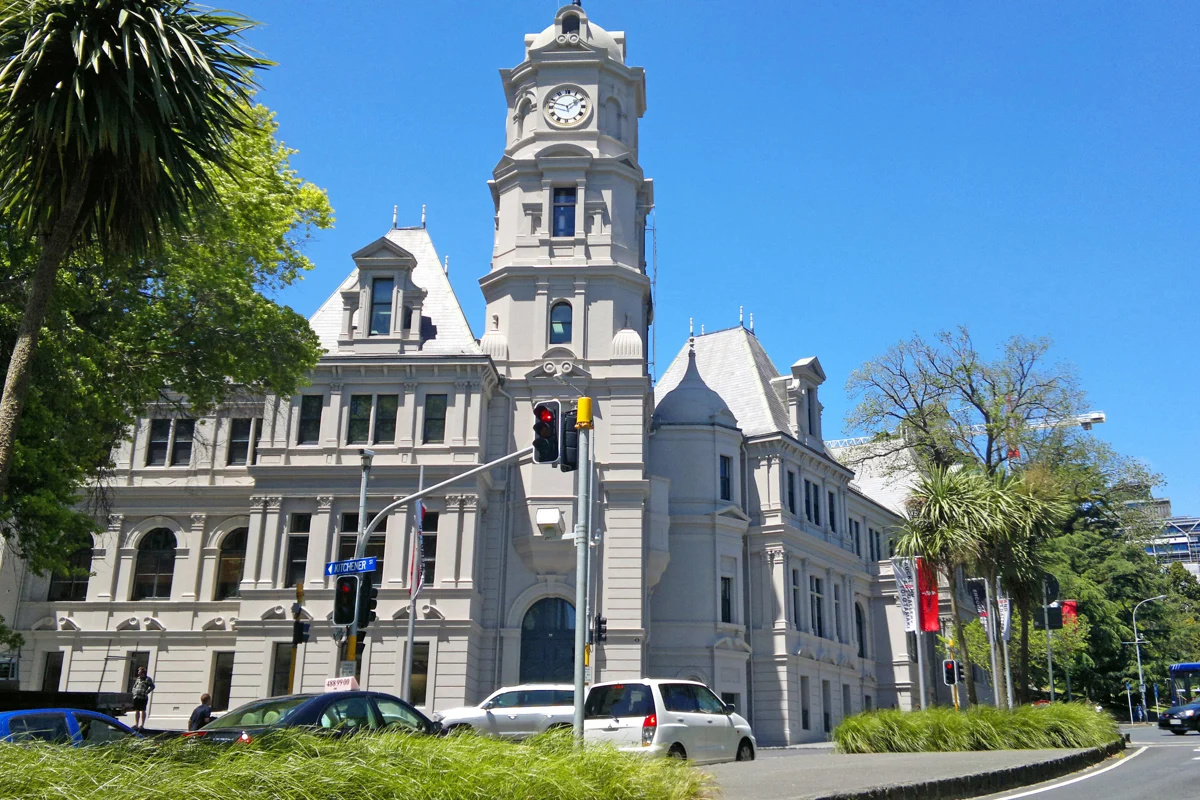
Auckland Art Gallery Toi o Tāmaki is hosting a free lunchtime music series and a separate discussion about South Asian epics and their retellings. These have their own listings, beyond the main festival stages.
The music sessions are scheduled for 28, 29 and 30 October, from 1pm to 1.45pm in Te Ātea, the North Atrium. The gallery describes the series as a celebration of South Asian sounds and traditions. Its listing, rather than an assumed festival running order, is the source for the venue and timing.
The discussion, The epics and their others, is scheduled for 31 October from 2pm to 3.30pm in the auditorium. Curator Balamohan Shingade and Tāmaki Makaurau-based artists are to discuss mythology, storytelling and art. The gallery’s description includes queer, feminist, Indigenous, anti-caste and diaspora perspectives on retelling the Ramayana and Mahabharata.
That is a stated curatorial approach, not evidence that the discussion has already delivered those perspectives. The event is free, but a free ticket is required. Visitors should use the gallery’s discussion page to book rather than assume they can walk into a full auditorium from the street festival.
Which artists and traditions does the programme name?
The programme names Shibani Jain and Baaya Design in connection with the Indian art exhibition, Reha Kumar for yoga sessions, and Balamohan Shingade for the gallery discussion. These named roles provide a more specific starting point than a general claim that the city is presenting all of India.
The exhibition’s listing distinguishes several regional art traditions. A visitor can therefore ask which artworks, artists and stories are associated with each tradition, rather than treat the names as interchangeable decorative styles. The planned curator walkthrough is another opportunity to hear how individual works have been selected and interpreted.
The gallery describes Shingade as a curator, writer and singer based in Tāmaki Makaurau. His discussion brings an identified local participant into the wider programme, alongside the visiting design contribution. The final performance schedule remains the appropriate place to check the individual musicians, dance schools and groups appearing on the main stages.
A schedule can establish that a person or group has a slot. It cannot establish what that person thinks of the festival, how they describe their community, or whether their experience stands for others. Those are distinct questions from where and when they will appear.
What does the food policy allow?
The festival’s stallholder guidance requires vegetarian food, excludes eggs and allows non-alcoholic drinks. That is a more specific condition than the word vegetarian alone, so stallholders and visitors should read the actual rules.
Food businesses, charity groups, retail stalls, arts and crafts, fashion and henna are among the advertised stall types. The arrangements separate parts of the festival site, with retail and information activity associated with Rutland Street. The presence of a charity stall should not be taken as proof that all local community organisations are participating.
The policy determines which dishes can be sold at this event. It does not establish a universal dietary practice across Hindu, Sikh, Jain, Muslim, Christian or other Indian communities. Describing it accurately avoids turning an organiser’s menu condition into a claim about an entire diaspora.
For a visitor with allergies or other dietary needs, the no-egg rule is only one part of choosing food. Check the individual stall’s ingredients and preparation information. A festival-wide vegetarian label does not answer every question about dairy, nuts or cross-contact.
How can visitors plan a manageable day?
Choose the main activities first, then check the individual venue, time and booking conditions. A gallery discussion, an exhibition visit and an evening stage performance may all be part of the wider Diwali programme without sharing one timetable.
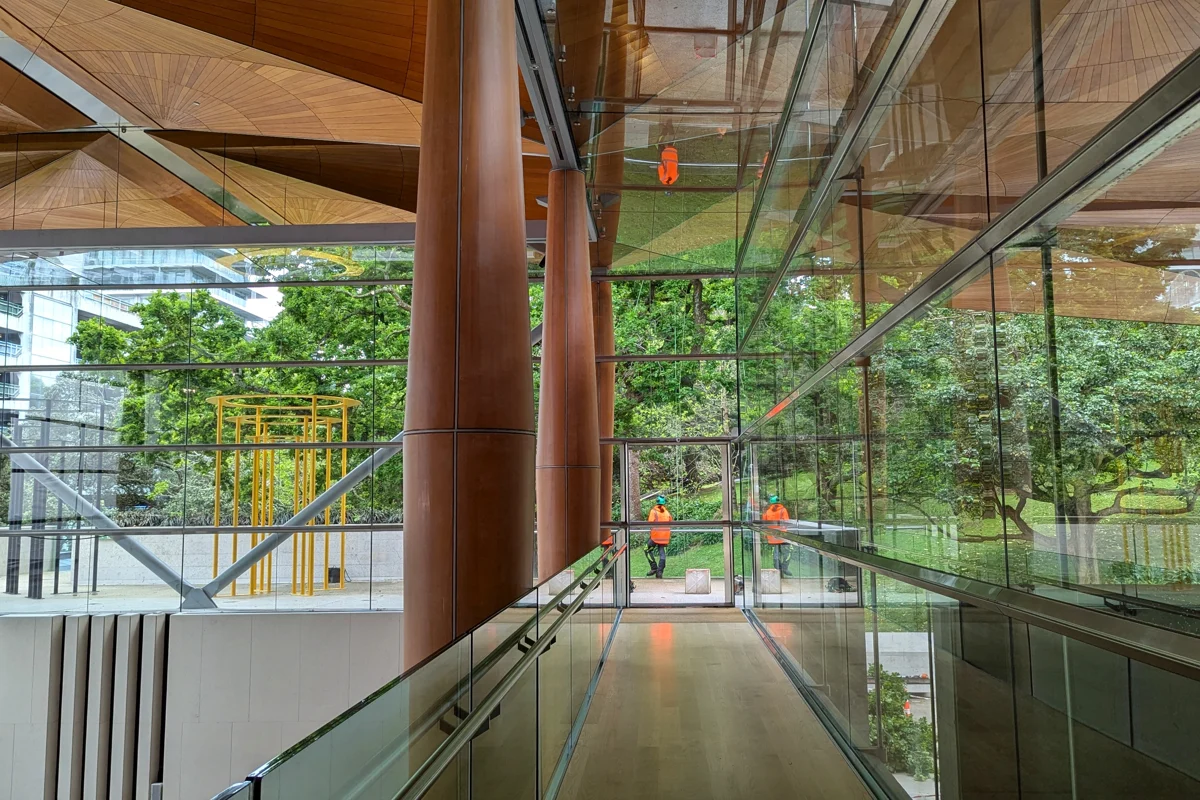
The Living Arts space is listed at Aotea Centre over the main weekend, offering a quieter setting with headphones, calming visuals and soft music. The programme also lists free yoga sessions. These are specific options to check if a visitor wants a break from the street and stage activity, rather than a reason to assume every part of the site will be quiet or uncrowded.
The newly opened Te Waihorotiu Station features in the festival’s city-centre access information. Check Auckland Transport’s current services and any event arrangements before relying on a particular connection home. A station beside the venue can simplify access, but does not guarantee that every route operates to its usual timetable on the weekend.
The gallery music listing helps with a shorter weekday visit. Readers can also follow related community event coverage and arts and literature reporting when choosing between the wider programme’s performances and discussions.
What should be checked before the festival?
Recheck the final running order and any event whose date appears differently in separate parts of the programme. On 8 October 2026, the official page’s classical music description names Sunday 1 November while its date field names Saturday 31 October. Its Town Hall projection description and date field also give different October dates. Neither disputed slot provides a reliable basis for a specific journey without confirmation.
The next step for visitors is to use the participating venue’s booking or event page and the festival’s updated schedule before setting out. Check the booking conditions for the gallery discussion even though entry is free, and allow time for travel between the gallery and the Aotea Centre programme.