Let me speak out of the box, and from the heart, about a word we rarely associate with power and strength: surrender.
Not the kind found in treaties or headlines, but a deeper, nobler surrender — one that overpowers ego and pride.
It is in this submission of humility that a sane and liveable world can emerge. It is here that suffering can stop — not someday, but immediately.
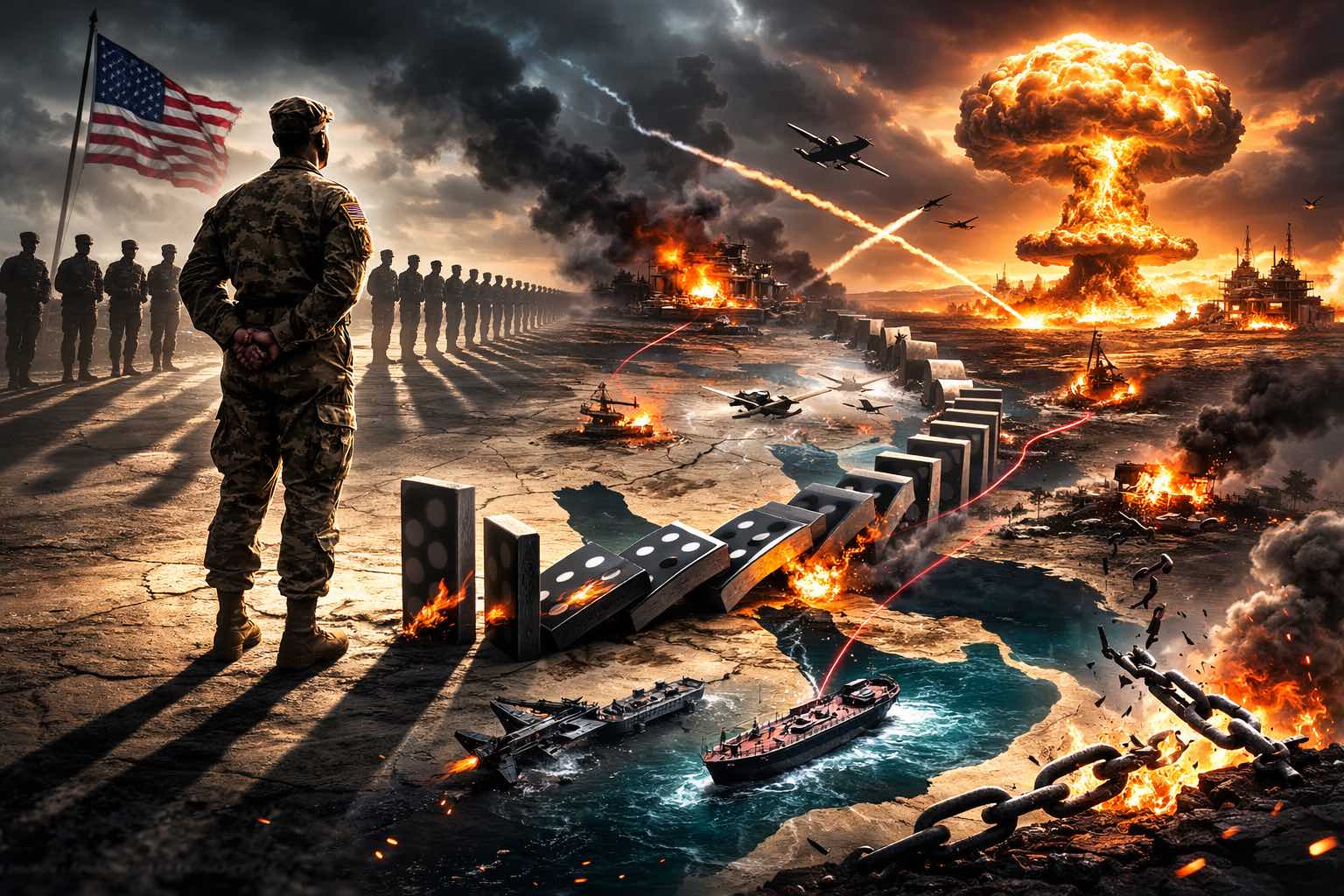
From Israel, Iran and Lebanon, to Ukraine and Sudan, and across both known and forgotten war zones, the carnage continues. Cities are levelled. Futures erased.
For what?
If war were truly a path to peace, history would already resemble a utopia.
The distance between decision-makers and destruction
Let us step into reality.
In today’s wars, the decision-makers — those who fan the flames — rarely step into the fire. Leaders call for blood while remaining far from the battlefield. They walk away unscathed.
The people do not. Mothers do not. Children do not.
The truth is that modern war has no frontlines.
Battlegrounds are now cities. Missiles strike homes and dense apartment blocks, not bunkers. Bombs find schools, not soldiers. Power plants, not platoons. Water supplies, not weapons.
In war, humanity is crushed. People die. Collapsed buildings become graves.
Relentless strikes and the thunder of missiles and bombs render citizens homeless within moments. Millions are forced into exile, seeking refuge wherever they can.
The child who does not understand war
Worst of all is the silent question in the eyes of a child witnessing devastation.
If asked, “Do you understand what is happening, and why?” the answer would likely be simple: “No.”
At least for the sake of that innocent child — representing the next generation — humanity must call for an immediate halt to war, even if it means surrender.
Children have rights: the right to survival, to safety, to a future.
And what of the birds, the animals, the environment?
Hollow slogans and irreversible costs
In urban infernos, nationalism, patriotism, martyrdom and heroism become hollow slogans — distorted narratives that glorify horror and dress death in medals.
Then comes the cost.
Not just lives lost, but generations scarred. Not just homes destroyed, but hope itself.
In a world armed with nuclear stockpiles, chemical arsenals and cyber weapons, the aftermath may leave nothing behind to rebuild.
War is not a necessary evil. It is an unnecessary catastrophe — a manufactured tragedy. A crime against humanity, camouflaged in flags and anthems.
It is also, undeniably, a bonanza for the arms industry and oil interests.
The courage to surrender
Do we need more wars to realise what we already know?
Let us not glorify war, nor normalise it. Instead, we must embrace what may seem unthinkable — surrender.
Surrender sounds like defeat.
But within that defeat lies victory: liberation from the horrors of war.
Surrender is an ethical and moral imperative. It denies the assumed right to kill on a massive scale.
Wars, after all, are crimes against humanity.
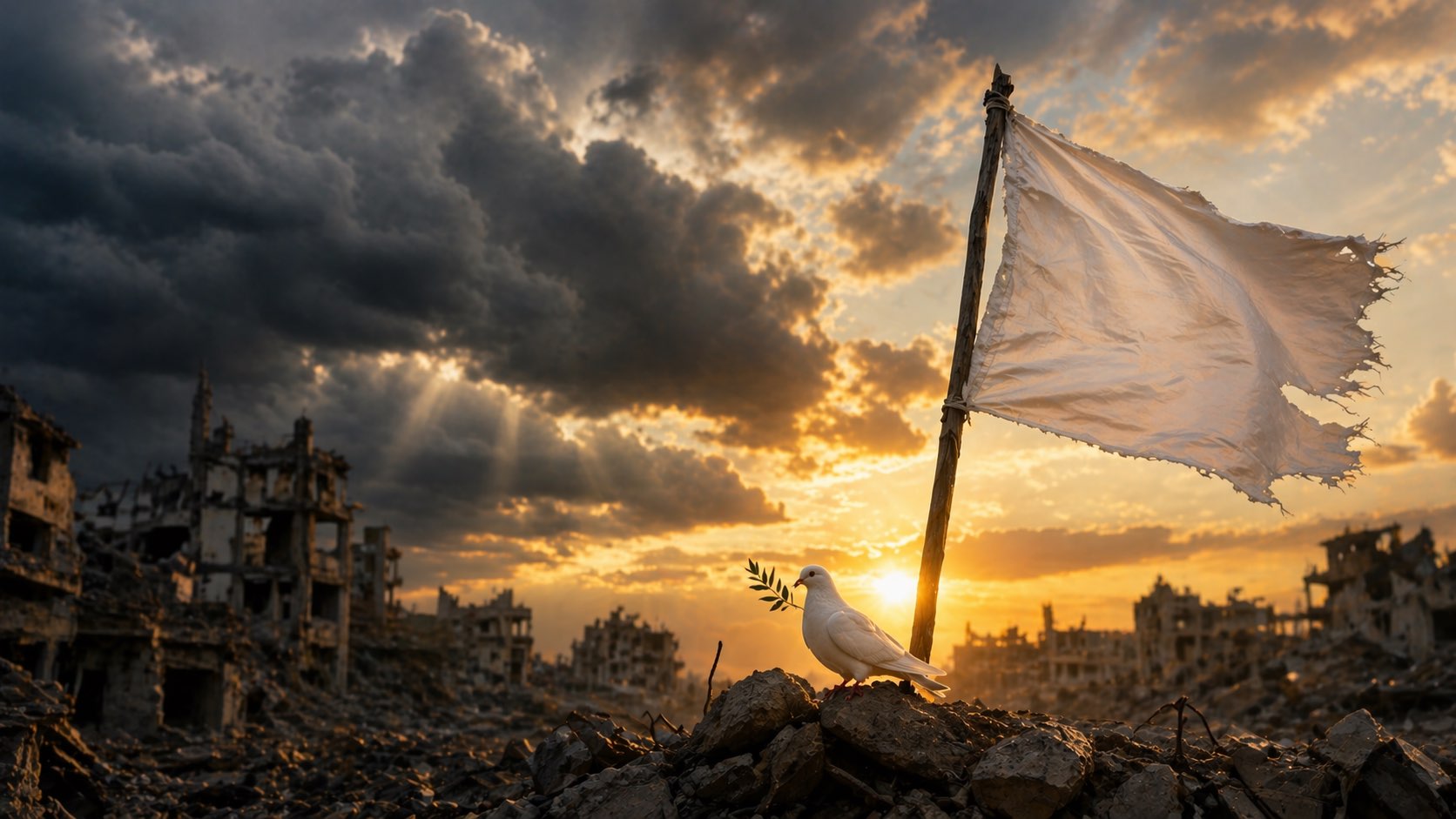
It takes one brave leader to raise the white flag and end the bloodshed.
Wars must end. And if surrender makes that possible, then so be it.
Surrender ego, pride and illusions of military glory — for the sake of peace, for the planet, and for future generations.
Let the nations at war raise the white flag.
As Pope Francis wisely said:
“I think that the strongest one is the one who looks at the situation, thinks about the people and has the courage of the white flag, and negotiates.”
Promod Puri
Promod Puri resides in Vancouver, Canada. He is the former editor, publisher and founder of The South Asian Canadian newspaper The Link, published from Surrey, Canada. Puri is the author of ‘Hinduism beyond rituals, customs and traditions’. Websites: promodpuri.com, progressivehindudialogue.com
More stories by Promod Puri