
A civil rights organisation has alleged that Muslim communities in several districts of West Bengal faced targeted violence, vandalism and intimidation following recent local election results in the state.
According to the Association for Protection of Civil Rights (APCR), attacks were reported from parts of Murshidabad, Nadia, North 24 Parganas and other districts after the announcement of panchayat bypoll results.
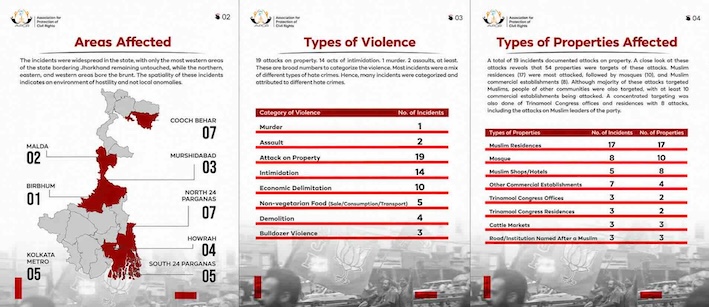
APCR’s social media post claimed the incidents were spread across multiple districts, with North 24 Parganas and Cooch Behar recording seven incidents each, followed by Kolkata Metro and South 24 Parganas with five each. The group alleged at least 19 attacks on property, 14 incidents of intimidation, two assaults and one murder. APCR also claimed that Muslim residences, mosques and Muslim-owned shops were among the most frequently targeted properties, alongside attacks on commercial establishments, cattle markets and local political offices.
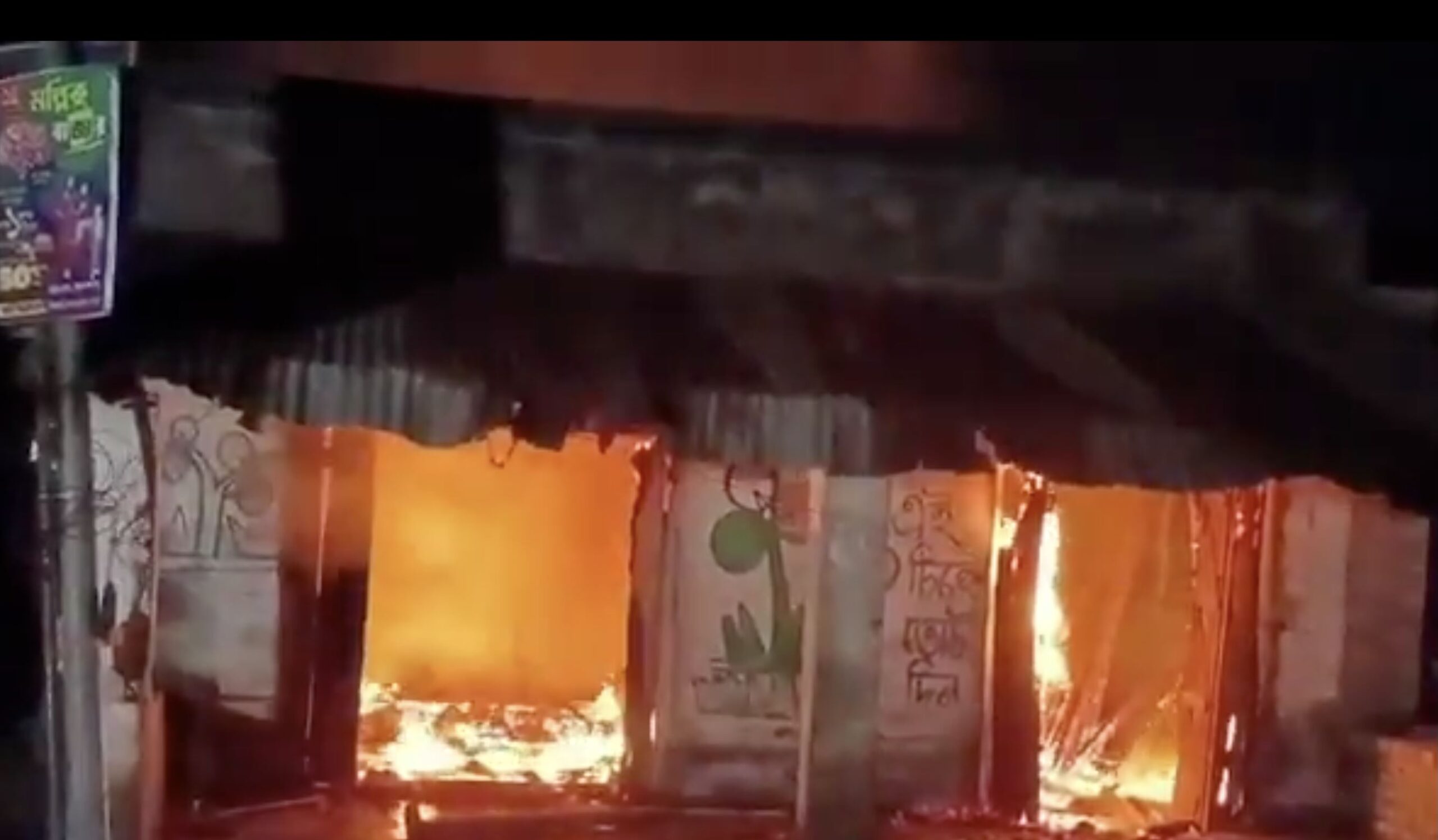
APCR alleged that mobs targeted mosques, Muslim homes and meat shops in several areas. The group claimed the attacks included vandalism, intimidation and communal slogans.
APCR said the violence reflected a “dangerous pattern of communal targeting” and called on the West Bengal Police and the state government to take immediate action against those responsible.
The organisation also demanded compensation for affected families and stronger protection for vulnerable communities in areas where tensions remain high.
At the time of publication, authorities had not publicly confirmed the full extent of the allegations. There were also no immediate official statements verifying APCR’s claims regarding the scale or nature of the attacks.
The incidents come amid heightened political tensions in West Bengal following local body elections, where sporadic clashes and allegations of political violence have historically accompanied electoral contests.
Rights groups and activists have increasingly raised concerns about the growing communalisation of political discourse in parts of India, warning that inflammatory rhetoric and polarisation can contribute to violence targeting minority communities.