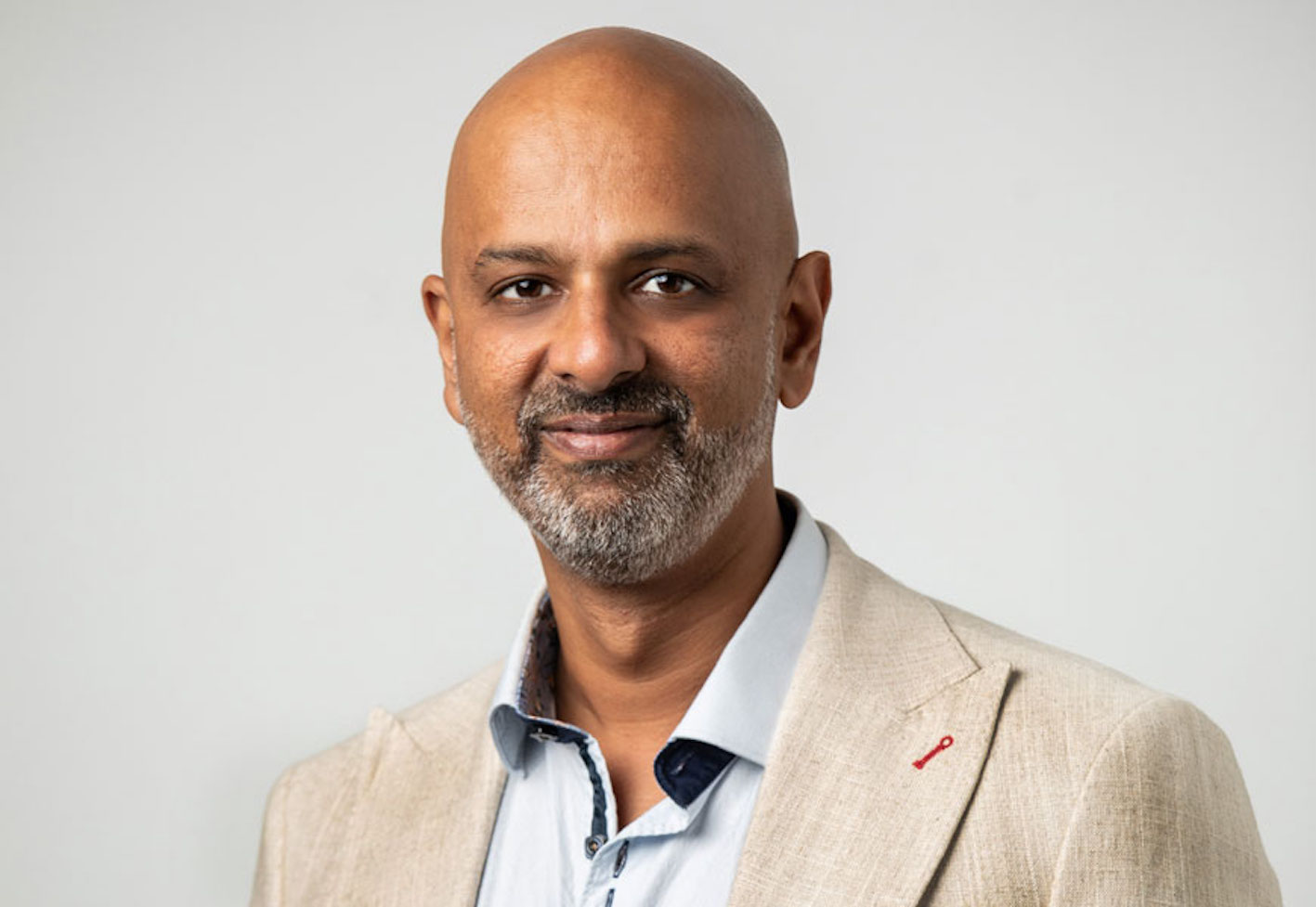
When Giridharan Sivaraman, Australia’s Race Discrimination Commissioner, spoke about the conflicted nature of January 26, describing Australia as built on ‘stolen land’ and calling for truth-telling, Sky News host James Macpherson unleashed a tirade that revealed something troubling: a wilful deafness to voices that have been speaking these truths for decades.
Selective Listening
Macpherson acts as though this is the first time he’s heard a contrary view on Australia Day. Telling. First Nations leaders have been saying this for nearly a century. In 1888, Aboriginal leaders boycotted centenary celebrations. In 1938, Yorta Yorta man William Cooper led over 1,000 people in a Day of Mourning and Protest. By 2020, over 100,000 people protested. Aboriginal elder Dr Tom Calma AO notes that ‘Indigenous Australians have felt the impact of racism from day one in white Australian history.’
For decades, these voices have been background noise, easily ignored. But when someone joins ‘the club’, when a person of colour occupies authority and echoes these same truths, suddenly it registers. This selective listening reveals the hierarchy: First Nations voices can be dismissed, but a brown person in a taxpayer-funded position speaking the same truths threatens the order of things.
The Weaponisation of Public Service
Macpherson’s obsessive references to Sivaraman’s ‘$400,000 a year taxpayer-funded salary’ appear no fewer than five times. But thousands of Australians are ‘on taxpayer dollars.’ Does public employment strip one of the right to perspectives? The taxpayer dollar isn’t charity. It’s money allocated where government identifies need. The seniority of this appointment shows addressing racial discrimination requires experienced leadership.
The Race Discrimination Commissioner position was created to represent the historically least represented, the voiceless, the most marginalised. Not to appease powerful lobby groups, but to give voice to those systematically silenced. When a brown person holds this position and speaks truth to power, their salary becomes weaponised, transformed from achievement into evidence of undeserved privilege. As we noted previously, ‘Anti-racism cannot be a one-way conversation.’
Conditional Citizenship
Macpherson’s suggestion that Sivaraman ‘could return to his place of birth’ contradicts Australia’s constitutional principles of equal citizenship. Born in India and migrating as a child, Sivaraman is as Australian as anyone. Yet Macpherson’s logic suggests being born overseas makes one perpetually less Australian, always expected to remain silent about injustice. The irony is striking: Macpherson mocks ‘people kissing the flag’ whilst displaying Cathy Freeman wrapped in the Australian flag. But Freeman represents precisely the complexity his simplistic narrative cannot accommodate.
Facts, Not Opinions
Truth-telling about colonial history is not divisive. The facts Sivaraman cites are documented realities: dispossession of First Nations peoples, the Stolen Generations, massacres. Paul Gorrie, a Gunai/Kurnai, Gunditjmara, Wiradjuri and Yorta Yorta man, notes that ‘when communities have traumatic experiences, there are long term consequences. Their children and grandchildren are affected.’ The implicit demand that Sivaraman ‘know his place’ in grateful silence is precisely what a Race Discrimination Commissioner should not do.
A Dangerous Moment
This attack comes at a dangerous time. Neo-Nazi and white-supremacist groups have been conducting anti-Indian racist sloganeering at rallies across Australia. Antisemitism and Islamophobia are heightened. In this climate, media attacks on a Race Discrimination Commissioner of Indian origin, suggesting he doesn’t belong, actively fuel extremist hatred.
The video predictably generated racist comments on YouTube and Facebook, which Sky News allowed to proliferate without consequence. This reveals a troubling imbalance: people raising voices against injustice on streets face immediate accountability, whilst a commentator with a microphone can unleash hate-mongering with impunity. First Nations peoples remain woefully underrepresented and fare poorly across virtually every social indicator. For media to indulge in sensationalist attacks on someone addressing these disparities is deeply irresponsible.
Two Standards of Urgency
Meanwhile, the Australian Human Rights Commission’s National Anti-Racism Framework gathers dust. This framework was developed through extensive consultations with all sections of society, a genuinely inclusive process designed to address systemic racism comprehensively. Yet it languishes unimplemented.
Compare this to recent anti-hate legislation: a 144-page bill rushed through with fewer than three days for public consultation. Legal experts called this timeline ‘wholly inadequate’ for genuine inquiry. The NSW Law Reform Commission warned that hatred is ‘too imprecise’ for criminal law and recommended wider efforts to promote social cohesion over tougher laws. That advice was ignored.
The pattern is clear: comprehensive, inclusive anti-racism work developed through proper consultation is shelved, whilst selective measures are fast-tracked, seemingly under pressure from intense lobbying. Instead of questioning why the carefully developed framework hasn’t been implemented, media outlets attack those working to address systemic racism.
A Pattern of Silencing
Macpherson’s attack follows a pattern seen with Senator Fatima Payman, Senator Lidia Thorpe, Adam Goodes, Senator Mehreen Faruqi and countless others who dared challenge dominant narratives. These incidents reveal structural resistance to change, a determination to maintain hierarchies of who gets to speak and who must remain grateful and silent.
The question is not whether Sivaraman should have spoken more diplomatically. The question is whether we will allow those who believe a brown person in authority forfeits their right to speak truth to power to dominate discourse, particularly when racist extremism is rising. Anti-racism requires dialogue, solidarity, and shared responsibility. It demands we listen to uncomfortable truths, whether from First Nations leaders who have spoken them for a century, or from a Race Discrimination Commissioner fulfilling his mandate. Until that happens, attacks like Macpherson’s will continue, as if to say to people of colour that their place in Australian society is conditional, their voices welcome only when they validate rather than challenge, and their achievements always subject to being reduced to a dollar figure: evidence not of merit, but of misplaced generosity that can be revoked at will.