
Langar, the 500-year-old tradition introduced by Guru Nanak, is among the most sacred and transformative pillars of Sikhism. More than a kitchen and more than a meal, langar is a living expression of radical equality. As Guru Nanak declared, “Na koi bada na koi chhota”—no one is high, no one is low.
The word langar refers to the communal meal served in a gurdwara to all who enter—regardless of religion, caste, gender, economic status, or ethnicity. After years of spiritual travels, when Guru Nanak settled in Kartarpur around 1500, he observed that society lived in rigid silos: rich separate from poor, upper castes distant from lower castes, one community apart from another.
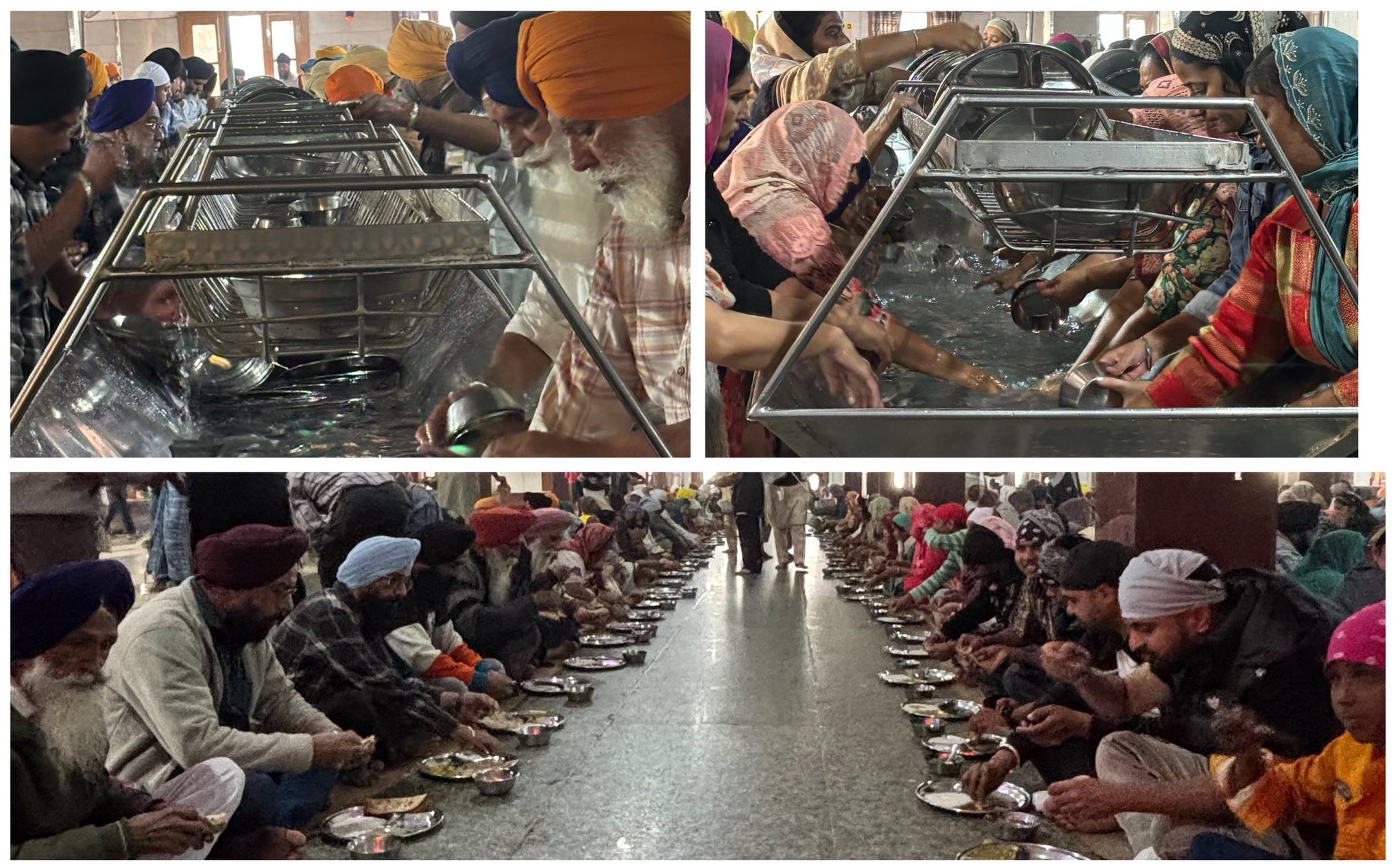
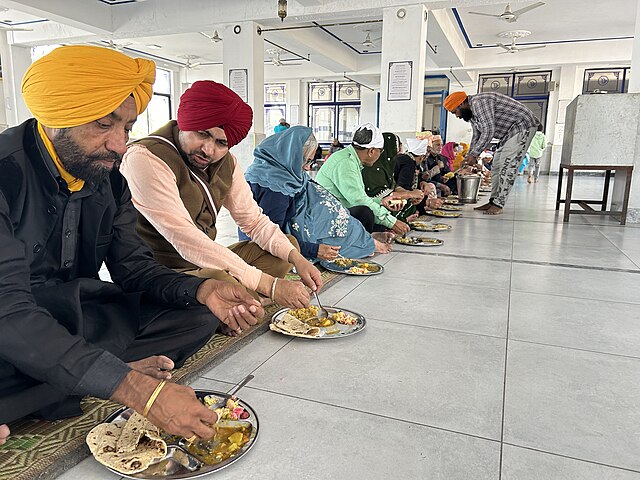
Guru Nanak envisioned a different humanity. He believed that before the Creator, everyone shared the same dignity. So he introduced a simple yet revolutionary practice: a shared meal where all sat together on the floor—pangat—symbolising that no one sat higher or lower than anyone else. Later, Guru Angad institutionalised langar in all Sikh centres, formalising it into an essential part of Sikh living.
But langar is not merely about distributing food. It is a quiet social revolution. It dismantles hierarchy, defies caste, and nurtures shared humanity. As the Sikh maxim goes: “Deg tegh fateh”—victory to the cauldron that feeds, and victory to the sword that protects. Langar embodies the first part: nourishment as an act of justice.
The kitchen runs entirely through volunteer service—seva—and the meal is always vegetarian, ensuring it is accessible to all. At the Golden Temple in Amritsar, nearly 100,000 people eat in the langar every single day, a living miracle of compassion and coordination.
The tradition goes beyond the gurdwara
In modern times, the spirit of langar has moved far beyond the gurdwara walls. Its ethos now drives countless humanitarian efforts.
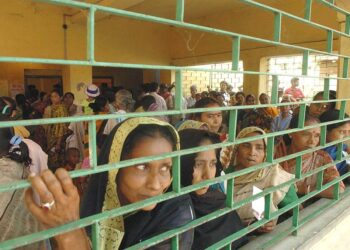
In India’s major cities, such as Mumbai and Delhi, Sikh volunteers serve langar on pavements and in crowded slums. Labourers, children, and anyone in need join the line, dissolving social distinctions over a hot meal.
Globally, organisations such as Khalsa Aid and United Sikhs have carried the langar tradition to disaster zones, refugee camps, and conflict-ridden areas. Whether after earthquakes, floods, or wars, Sikhs arrive with giant cauldrons and an unwavering belief that hunger must bow before humanity.
During the Russian invasion of Ukraine, several gurdwaras offered round-the-clock langar to displaced civilians. And during India’s two-year Farmers’ Protest, langar became the protest’s heartbeat—feeding the farmers, supporters, and even the police deployed against them. As many noted at the time, “Langar fed both sides of the barricade.”
Closer to home, in Vancouver’s Downtown Eastside—particularly Main and Hastings—the spirit of langar is visible in the compassionate outreach of individuals and gurdwara societies serving the city’s most vulnerable. Many gurdwaras now also offer daily take-away langar, so no one has to go to bed hungry.
A global ethic of equality
Langar is fast becoming a global phenomenon—not only addressing hunger but embodying a vision of a classless, caste-free, inclusive world. It fulfils Guru Nanak’s timeless message: “Vand chhako”—share what you have.
Guru Arjan Dev beautifully summarises this spirit in the Sri Guru Granth Sahib:
“Ek Pita, Ekas Ke Hum Barik” — There is One Father, and we are all His children.
From its humble beginnings in Kartarpur, langar has grown into a worldwide symbol of selfless service (seva), generosity, and the oneness of humanity. Its expansion beyond gurdwaras is a powerful reminder that Guru Nanak’s ideal is not confined by any boundary: in a just world, no one should be left hungry.
As we reflect on this remarkable tradition and its global reach, we see how the simple act of sharing a meal continues to soften divisions and foster understanding in an often turbulent world.
Langar remains one of humanity’s quietest yet most profound revolutions.