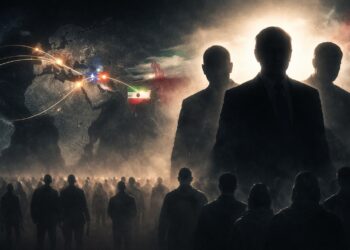


Its target is clear: Israeli Prime Minister Benjamin Netanyahu, portrayed as beating the drum from afar while Australian elites—lawyers, business leaders, sporting figures—march in step.
The cartoon landed amid explosive revelations from NSW Labor MP Anthony D’Adam, who has formally asked the Home Affairs Minister to investigate possible foreign interference after Israel’s Ministry for Diaspora Affairs circulated a dossier naming Australian politicians and advocacy groups as “generators” of anti-Semitic or anti-Israel content.
Those listed include Greens and independent MPs and long-standing Palestine solidarity organisations—an act D’Adam described as intimidation designed to silence criticism of Israel’s conduct in Gaza.
This political pressure intensified in the aftermath of the horrific Bondi attack, which targeted a Hanukkah gathering and claimed 15 lives.
While the nation mourned, pro-Israel lobby groups and sympathetic media voices moved swiftly to conflate legitimate criticism of Israel’s actions in Gaza with anti-Semitism, weaponising tragedy to chill dissent and marginalise advocates for Palestinian human rights.
After weeks of resistance, Prime Minister Anthony Albanese reversed course and announced a Commonwealth Royal Commission on anti-Semitism and Social Cohesion.
The decision followed an unprecedented lobbying campaign by prominent figures and organisations, echoing precisely the dynamics Wilcox skewered.
What the Royal Commission will examine
The inquiry, to be led by former High Court justice Virginia Bell, has four central terms of reference:
- Investigating the prevalence and drivers of antisemitism in Australia, including religious and ideologically motivated extremism.
- Assessing law-enforcement and security responses to antisemitic conduct and recommending improvements.
- Examining the circumstances surrounding the Bondi attack, without prejudicing ongoing criminal proceedings.
- Making recommendations to strengthen social cohesion and counter radicalisation, including the role of social media.
The commission is due to report before 14 December, 2026.
Yet critical questions remain unanswered: why foreign-authored dossiers targeting Australian MPs were allowed to circulate unchecked; why legitimate protest and advocacy are increasingly framed as threats; and whether this inquiry will protect civil liberties or further entrench a culture where criticism of a foreign state is policed at home.
Wilcox’s cartoon may be satire, but its warning is serious. When overseas interests, amplified by local powerbrokers, can shape national inquiries, Australians must ask: whose democracy is really being defended?
This article is republished from AMUST under a Creative Commons license. Read the original article.