
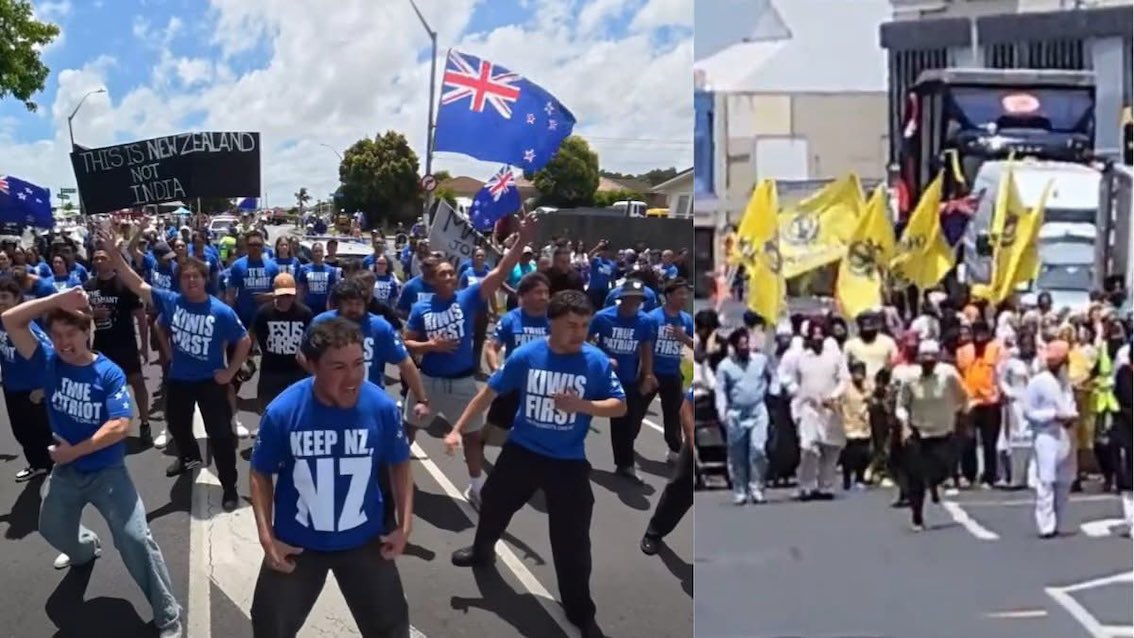
Tāmaki Makaurau (Auckland) Māori MP Oriini Kaipara has strongly condemned the use of haka to confront a Sikh religious procession in South Auckland, saying the incident represented a misuse of tikanga Māori (customary practices) and a breach of the fundamental principle of manaaki manuhiri (care for guests).
The standoff occurred in Manurewa over the weekend when members of True Patriots of NZ, a group linked to Destiny Church, blocked a Sikh Nagar Kirtan procession and performed haka while chanting religious slogans. Police intervened to keep the groups apart and allow the permitted procession to continue.
Posting on social media, Kaipara said what unfolded was “not peaceful protest” but a targeted act that “weaponised culture, identity and public space to shame and exclude people who are valued members of our wider whānau (extended community)”.
“As tangata whenua (people of the land), there is a sacred responsibility to uphold the tikanga of manaaki manuhiri,” she said. “That is our law before law.”
Kaipara described haka as a taonga tuku iho (treasured inheritance) passed down from tīpuna (ancestors), grounded in whakapapa (genealogy), wairua (spirit) and purpose — not a political tool for harassment. She emphasised that Sikhs were manuhiri in Aotearoa who live, work, raise families and have long stood alongside Māori communities in moments of need.
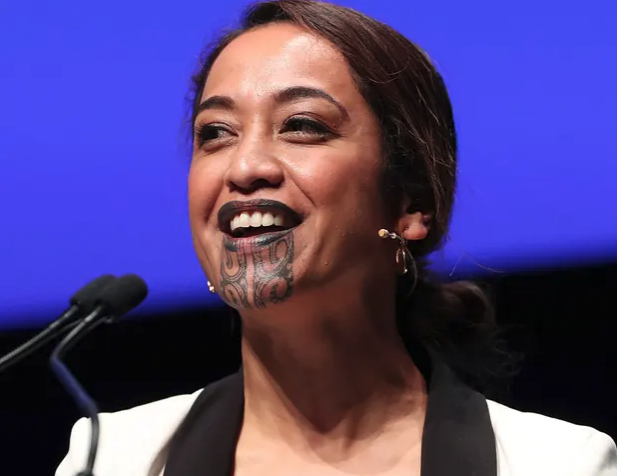
The Sikh Nagar Kirtan — a peaceful religious procession marked by hymns, flags and the sharing of free food — had been organised with permits and police awareness. Footage from the event shows protesters wearing “Kiwis First” shirts and holding a banner reading “This is New Zealand, not India” while performing haka directly in front of marchers.
The incident has drawn condemnation well beyond Te Ao Māori circles. National MP for Takanini Rima Nakhle said she was “deeply disappointed” by what she described as aggressive and threatening behaviour towards a lawful religious procession, noting the Sikh community’s long record of civic contribution and charitable service in New Zealand.
The Free Speech Union also criticised the protest, arguing that physically blocking a permitted procession crossed the line from counter-protest into obstruction, undermining others’ legal right to express their faith in public space.
Local board member Will Flavell echoed Kaipara’s concerns, warning that young men involved were being taught to conflate aggression with strength. “That is not kaupapa Māori (Māori principles),” he said. “It is not aroha (love) and it is not manaakitanga (hospitality). Our culture is about lifting people up, not tearing them down.”
Destiny Church leader Brian Tamaki defended the action online, claiming the haka was a peaceful assertion of New Zealand identity and values. International coverage, including in Indian media, has framed the confrontation as part of a broader pattern of anti-minority mobilisation by nationalist religious groups, amplifying concerns about multicultural coexistence in Aotearoa.
For Kaipara, the issue goes to the heart of Māori values. “Haka carries mana (authority, dignity),” she said. “When it is stripped of its tikanga and used to intimidate manuhiri, it diminishes us all.”